Credible Theories Sign in
New Testament · Acts 1:9–11

Taken up in a cloud, Acts 1:9–11

Share

In plain words

This is a short passage from Acts, a New Testament book about the first Christians after Jesus, written around 80 to 90 CE. In the story, Jesus goes up toward heaven and a cloud hides him from view. Two men in white then appear and say he will come back the same way he left. This event is called the ascension.

ReferenceActs 1:9–11
Writtenc. 80–90 CE
Setc. 30 CE
A cloud received him out of their sight. And while they looked stedfastly toward heaven as he went up, behold, two men stood by them in white apparel… this same Jesus… shall so come in like manner as ye have seen him go into heaven.

Documented · Ancient text, c. 80–90 CE Translation: KJV

Read it literally

A departure into a cloud, two attendants in white left behind, and a promise to return the same way.

What scholars say

The ascension.

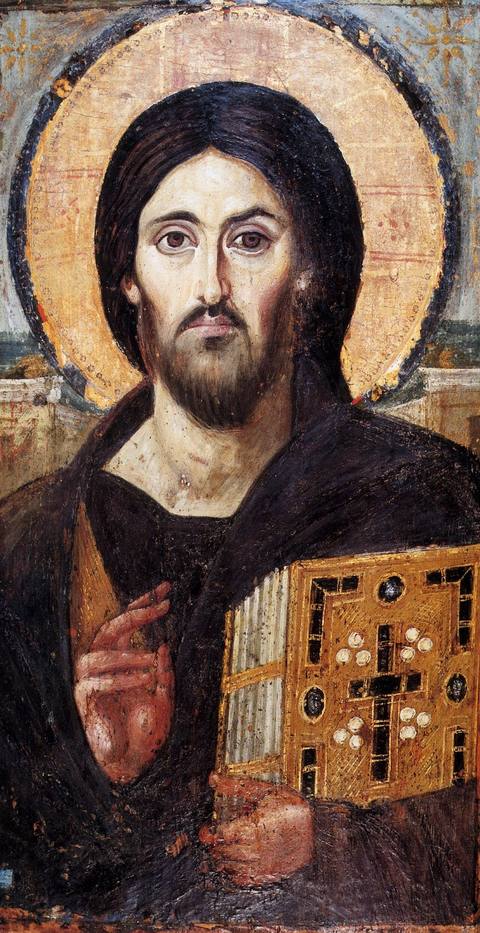
Themes Taken up alive From the sky
People and places hereJesus of Nazareth
The same story, told elsewhere

Shared story · Death and return

Taken Up to Heaven: Ascension Stories Compared

Enoch, Elijah, Romulus, Heracles, Krishna and Jesus all leave the earth by going up: in a whirlwind, a cloud, a storm or a blaze of light. The stories quoted side by side.

Acts of the Apostles 1:9 is one telling. The same story is told 6 more times, in 3 parts of the world. Follow it:

  1. Hebrew BibleJudah · c. 600-400 BCE · Ancient text
  2. Hebrew BibleNear the Jordan River, Israel · c. 600-550 BCE · Ancient text
  3. HinduDvaraka, western India · c. 400 BCE · Ancient text
  4. GreekMount Oeta, central Greece · c. 1st-2nd century CE · Ancient text
  5. ChristianMount of Olives, Jerusalem · c. 80-90 CE · Ancient textTied to this page
  6. RomanRome, near the Goat's Marsh · c. 100 CE · Ancient text
  7. IslamicMecca to Jerusalem · c. 620 CE · Medieval text

The open question: Why do so many stories end with a great figure leaving the earth alive instead of dying like everyone else? Join the debate

Questions people ask about Acts 1:9–11

Who wrote the Book of Acts?

Acts does not name its author, but early church tradition credits Luke, a companion of Paul. Most scholars agree the same writer produced the Gospel of Luke, since both books are addressed to a man named Theophilus. Acts opens by referring back to that earlier book, so the two are often read as one work in two parts.

Where did the ascension take place?

Acts 1:12 says the disciples then walked back to Jerusalem from the mount called Olivet, a Sabbath day's journey away. Luke 24 places the parting near Bethany, on the same hill. A small Chapel of the Ascension stands on the Mount of Olives today. Many churches celebrate Ascension Day forty days after Easter, following Acts 1:3.

What happens right after the ascension in Acts?

The disciples return to an upper room in Jerusalem and pray together with Mary and other followers. Peter leads them in choosing Matthias by drawing lots to replace Judas among the twelve. In Acts 2, at the Jewish feast of Pentecost, the Holy Spirit comes on them like tongues of fire and they speak in other languages.

Where this comes from

EvidenceDocumented

Comes from The Book of Acts, Acts 1:9–11, read here in the King James Version. A New Testament book about the first Christians after Jesus, by the writer of the Gospel of Luke, usually dated about AD 80 to 90. It includes Jesus being taken up into a cloud and Paul's blinding vision on the road to Damascus.

What this means

The text exists and is quoted from a published translation. What it describes is a separate question.

Primary records exist: an original document, a published text, an official file or a dated report. We link to them. This level says the record exists and what it says, not that every claim in it is true.

See all five labels

Sources

  1. The King James BibleThe English Bible made for King James I and first printed in 1611; the wording most people know comes from a 1769 update. It is out of copyright, which is why we quote it. The 1611 printing also had the Apocrypha, extra books kept in Catholic and Orthodox Bibles.King James Version (1611; standard 1769 text), with ApocryphaPrimary text Archived copy, 2026-10-03

Scholarly dates are rounded. The wording follows the named public-domain translation.

More from New Testament

The story before and after this one, and what each shares with Taken up in a cloud.

‹ Before thisSatan falling like lightningLuke 10:18

The speaker says, "I beheld Satan as lightning fall from heaven," meaning he saw Satan fall from the sky like a flash of lightning.

Also about Jesus of NazarethSame theme: From the sky
Photo credits
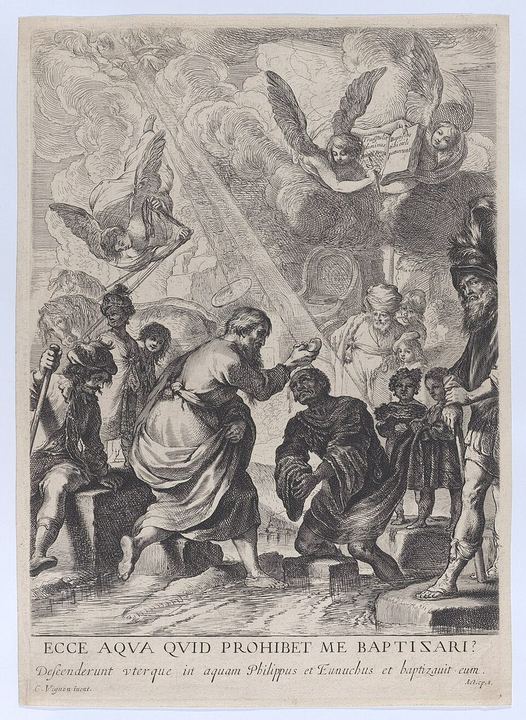
Next ›Philip vanishesActs 8:39–40

The text says the Spirit of the Lord suddenly took Philip away, so the man he had been traveling with saw him no more.

Also about Jesus of Nazareth

Updated

Discussion