












What is Beth-shemesh known for?
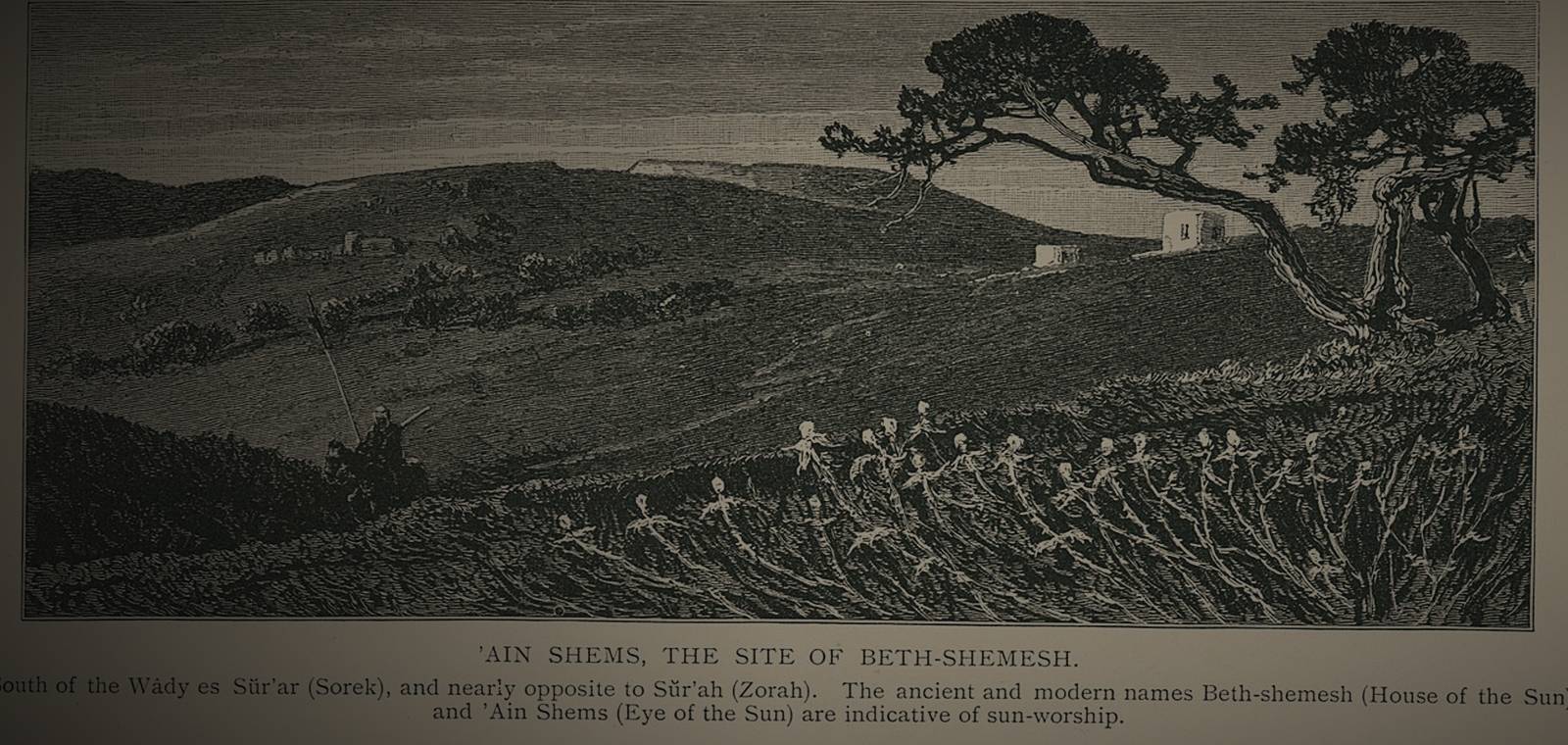
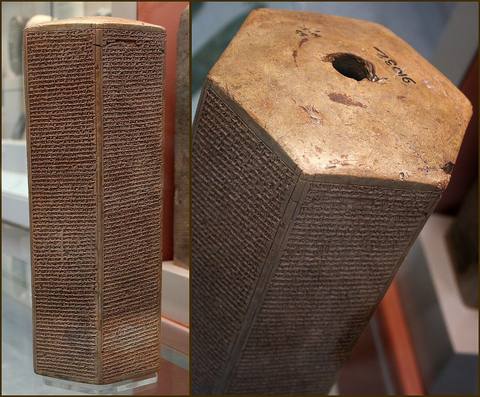
Tel Beth-Shemesh sits in the Sorek Valley about 20 kilometers west of Jerusalem, on the old border between Philistine and Israelite territory. Its name means 'house of the sun'. Excavations since 1990 by Tel Aviv University found Iron Age houses, fortifications, a large underground water reservoir and an early iron workshop. The town was destroyed around 701 BCE, probably by Sennacherib.
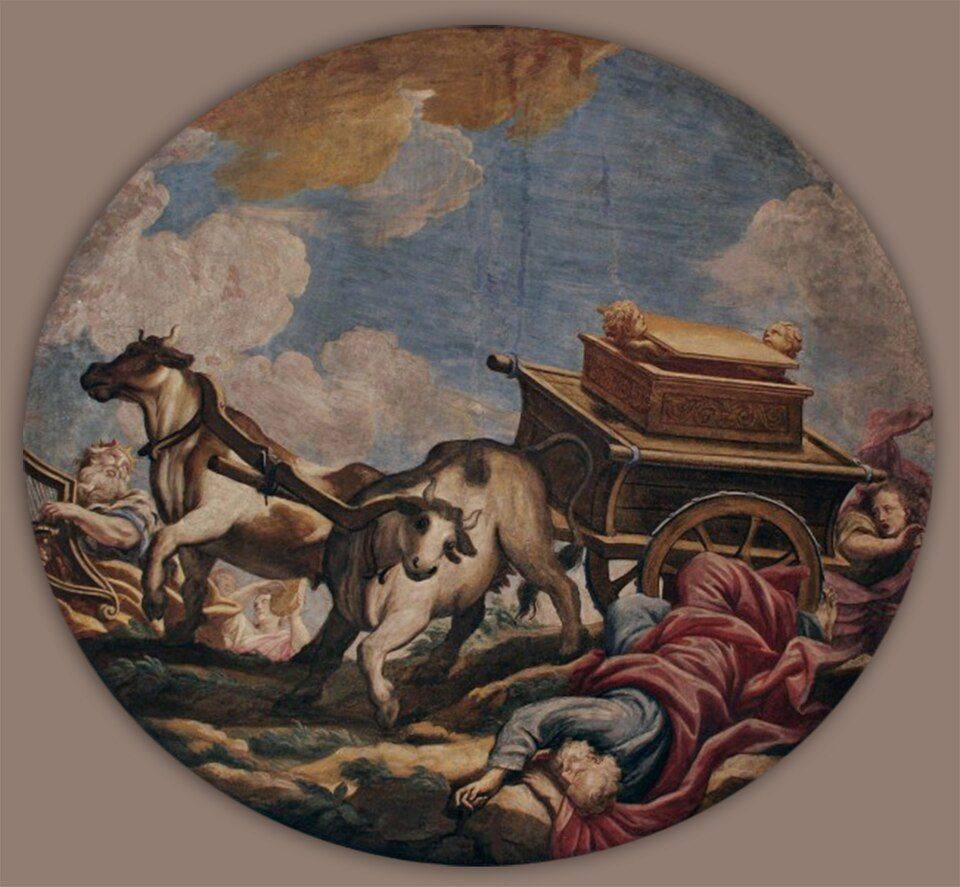
In 1 Samuel 6, the Philistines send the captured Ark back on a cart drawn by two cows, which walk straight to Beth-shemesh. The townspeople rejoice, but those who look into the Ark are struck down; the Hebrew text gives a large and much-debated number. The people ask who can stand before such a holy God and send the Ark on to Kiriath-jearim.
The story belongs to a group of biblical accounts about the danger of handling the Ark, alongside the death of Uzzah. The excavated town is real; the event is known only from the Bible.
Mentioned on these pages
Linked people and places
Where this comes from
Comes from 1 Samuel 6 (KJV), Bible Gateway. The Books of Samuel (1 and 2 Samuel): Two books of the Bible about the prophet Samuel, King Saul and King David, including David and Goliath and the travels of the Ark of the Covenant. Scholars think they were put together from older sources in about the 600s to 500s BC.
What this means
A real place with records. Sources are listed below.
For Beth-shemesh, the original record exists and is linked: 1 Samuel 6 (KJV), Bible Gateway. That tells you the record is real and what it says. It does not mean every claim in it is true.
Primary records exist: an original document, a published text, an official file or a dated report. We link to them. This level says the record exists and what it says, not that every claim in it is true.
Sources
- Tel Aviv UniversityThe Faculty of Humanities at Tel Aviv University in Israel. Its archaeology pages describe digs run by its researchers.Tel Aviv University, Department of Archaeology, 'Beth-Shemesh'Reference Archived copy, 2026-07-25
- The Books of Samuel (1 and 2 Samuel)Two books of the Bible about the prophet Samuel, King Saul and King David, including David and Goliath and the travels of the Ark of the Covenant. Scholars think they were put together from older sources in about the 600s to 500s BC.1 Samuel 6 (KJV), Bible Gateway Online copyPrimary text