The record
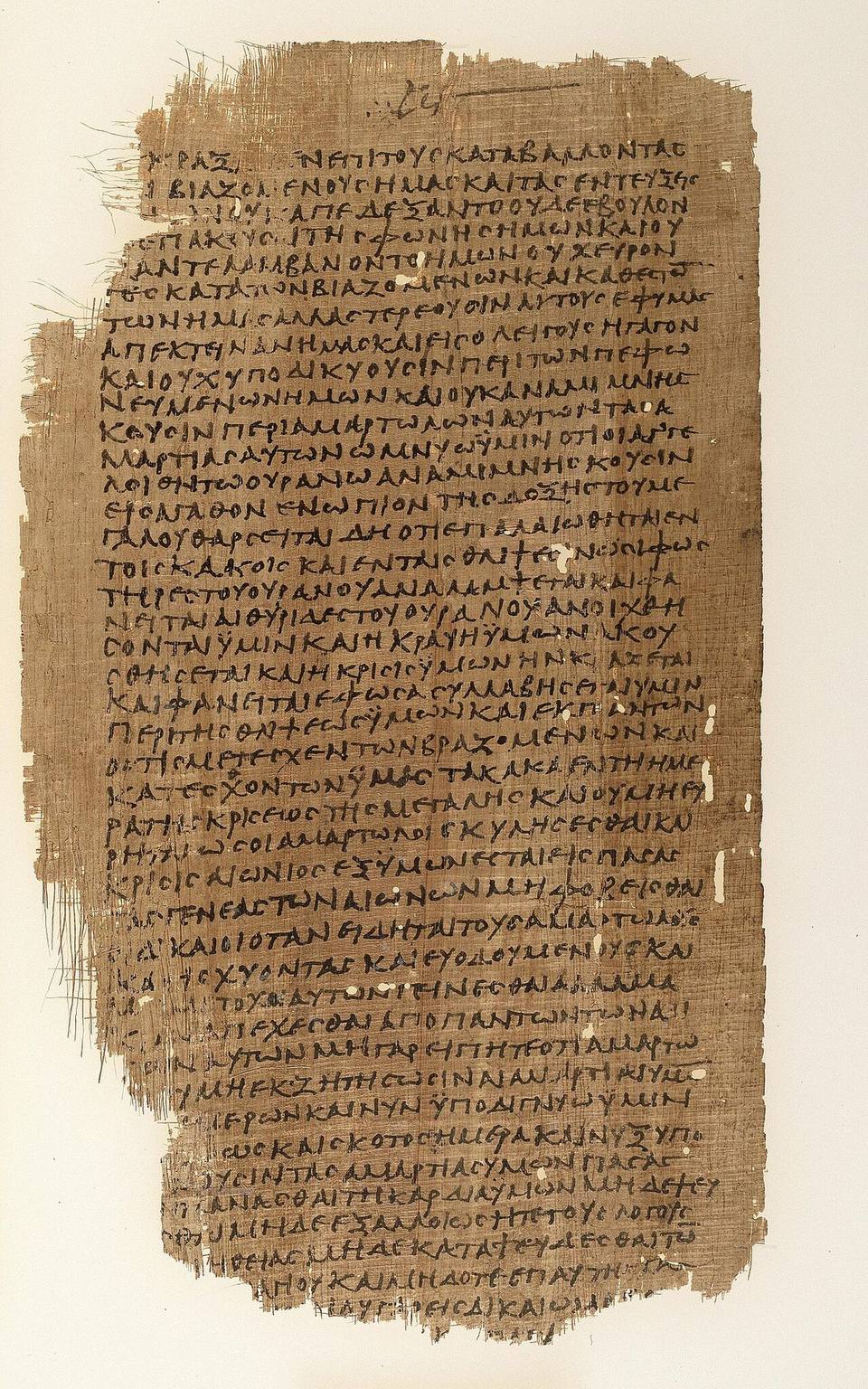
The Book of Giants was once a real book that people read. Its story, told from the side of the Watchers' giant sons, was known in Aramaic among the Jews who kept the Dead Sea Scrolls, and centuries later the prophet Mani, who founded Manichaeism in third-century Persia, included a version in his religion's scriptures. Then it was lost for over a thousand years.
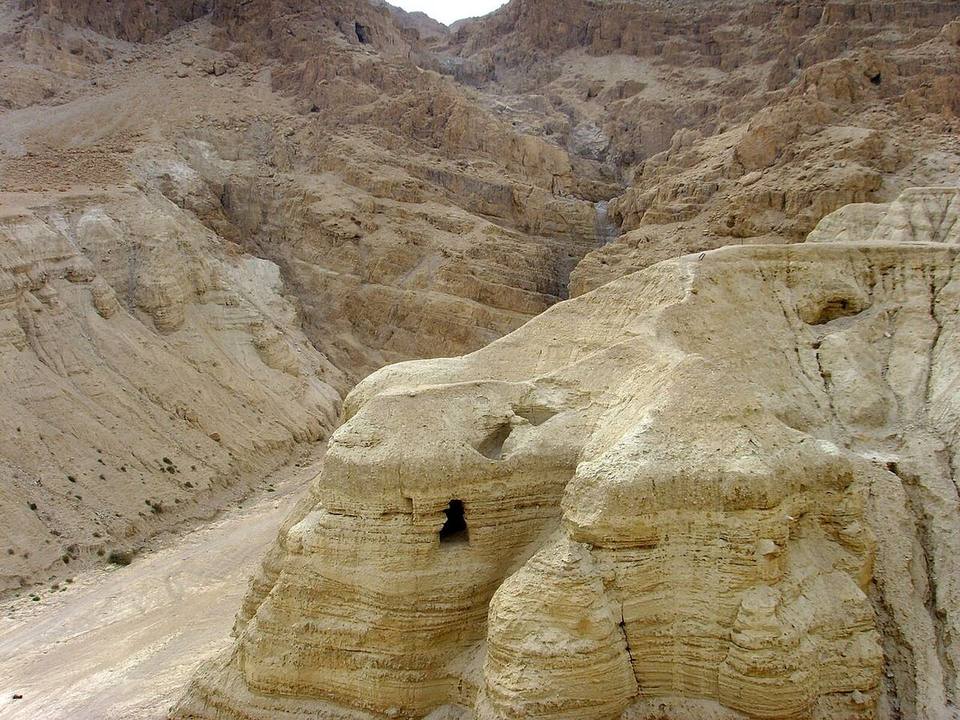
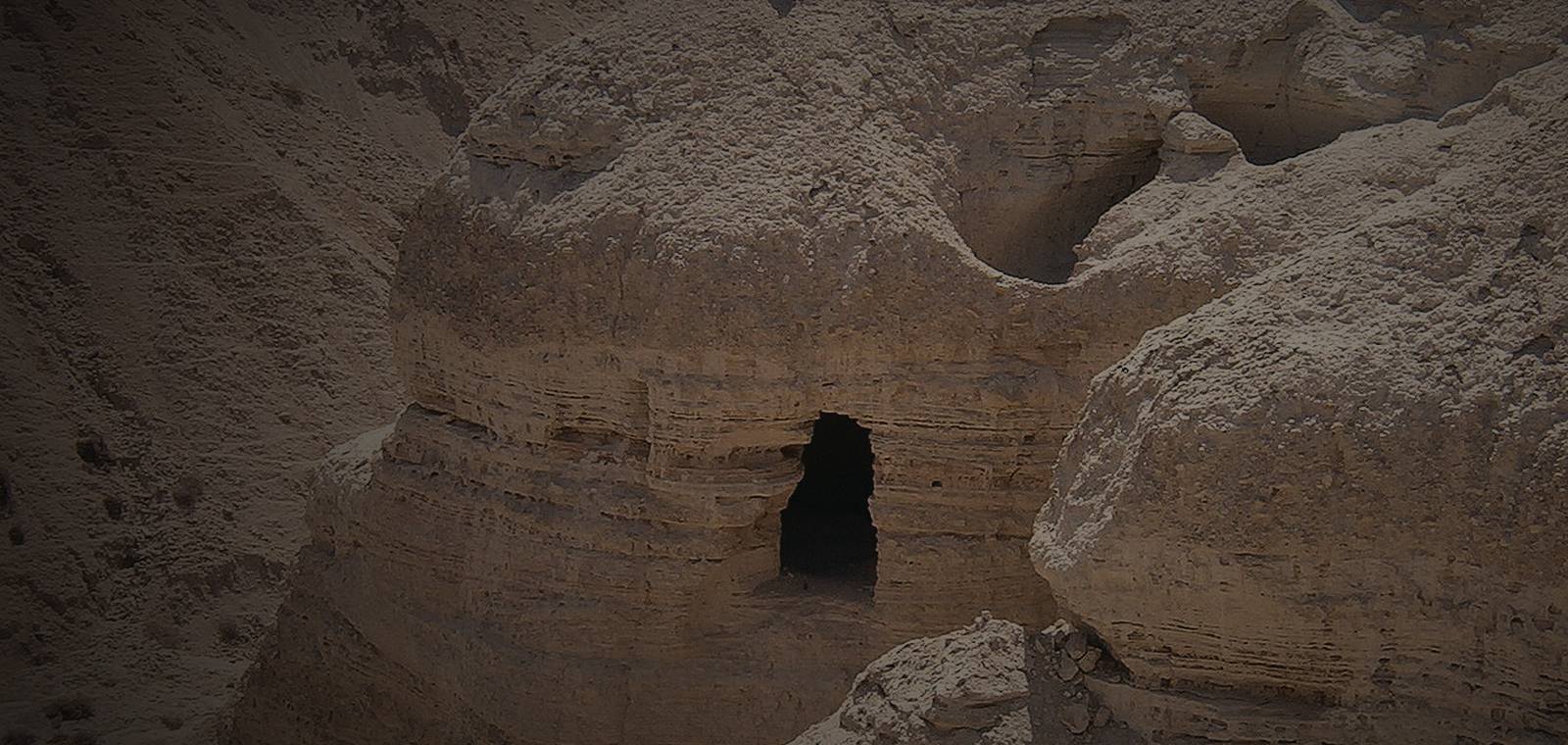
It came back in two waves. In the early twentieth century, German expeditions to Turfan in Chinese Central Asia found Manichaean fragments in Middle Persian, Sogdian and Uyghur, which W. B. Henning published in 1943. Then J. T. Milik identified Aramaic fragments of the same work among the Qumran scrolls, published in 1976. They come from perhaps six to ten different copies.
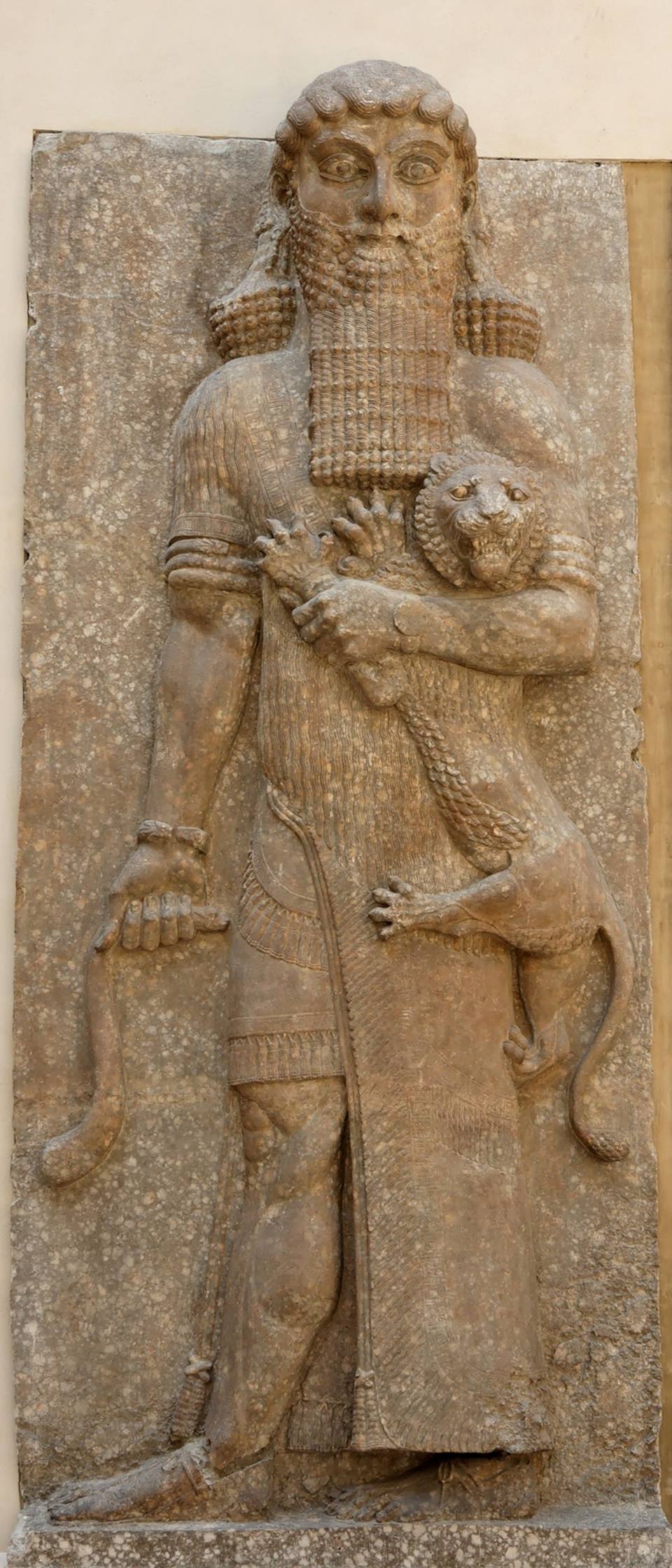
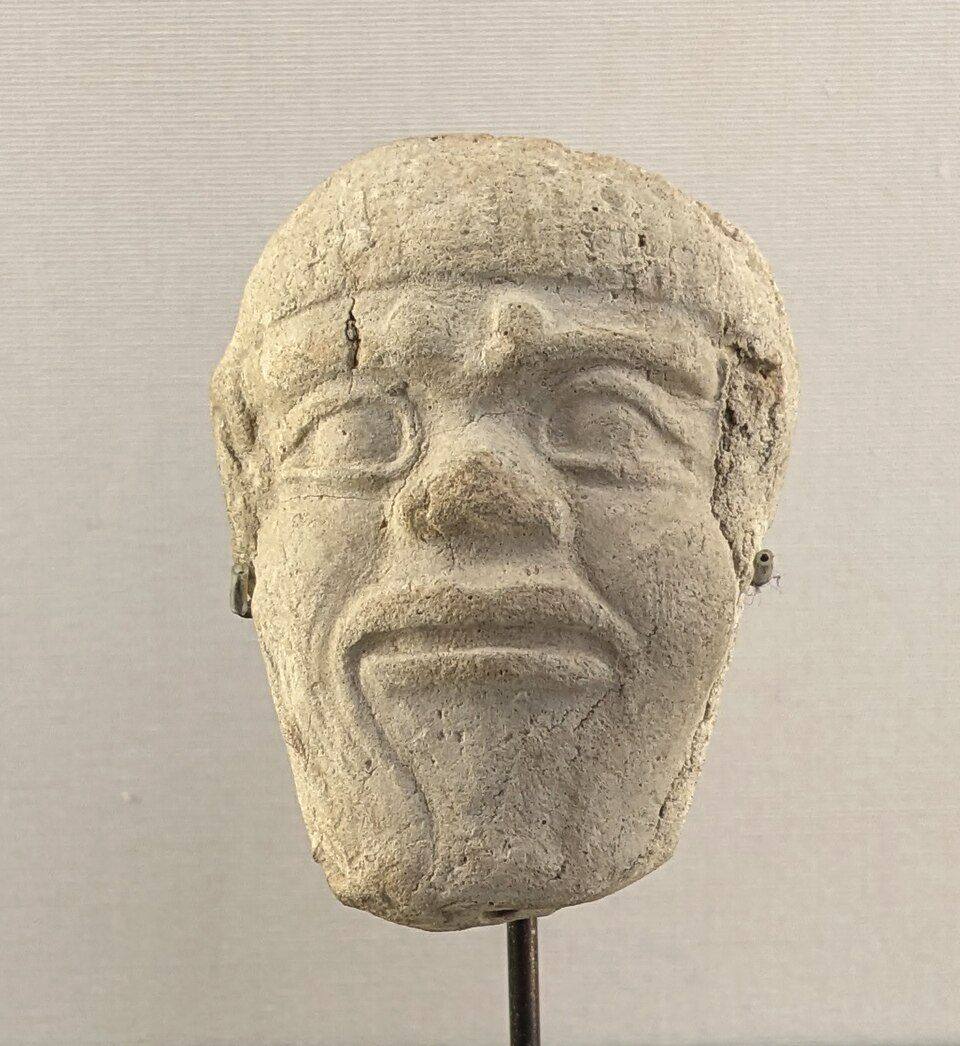
The surviving scenes are vivid. The giants Ohyah and Hahyah, sons of Shemihazah, have terrifying dreams. The giant Mahway flies to Enoch to ask what they mean. Enoch sends back a tablet announcing judgment. Giants argue, boast and despair. Two of them are named Gilgamesh and Hobabish, names borrowed from the Babylonian Epic of Gilgamesh. The Book of Giants shows that the Nephilim story circulated with its own characters and plot, and traveled from Judea to the Silk Road. Every new reading of the fragments changes the picture a little.