The record
Tradition affirms the existence here of a city, so considerable that it extended to Chicha Watni, thirteen cosses distant, and that it was destroyed by a particular visitation of Providence, brought down by the lust and crimes of the sovereign.
Charles Masson, Narrative of Various Journeys, vol. 1 (1842), p. 453 · India
Translation: Charles Masson, Narrative of Various Journeys in Balochistan, Afghanistan and the Panjab, vol. 1 (London: Richard Bentley, 1842) · Public domain
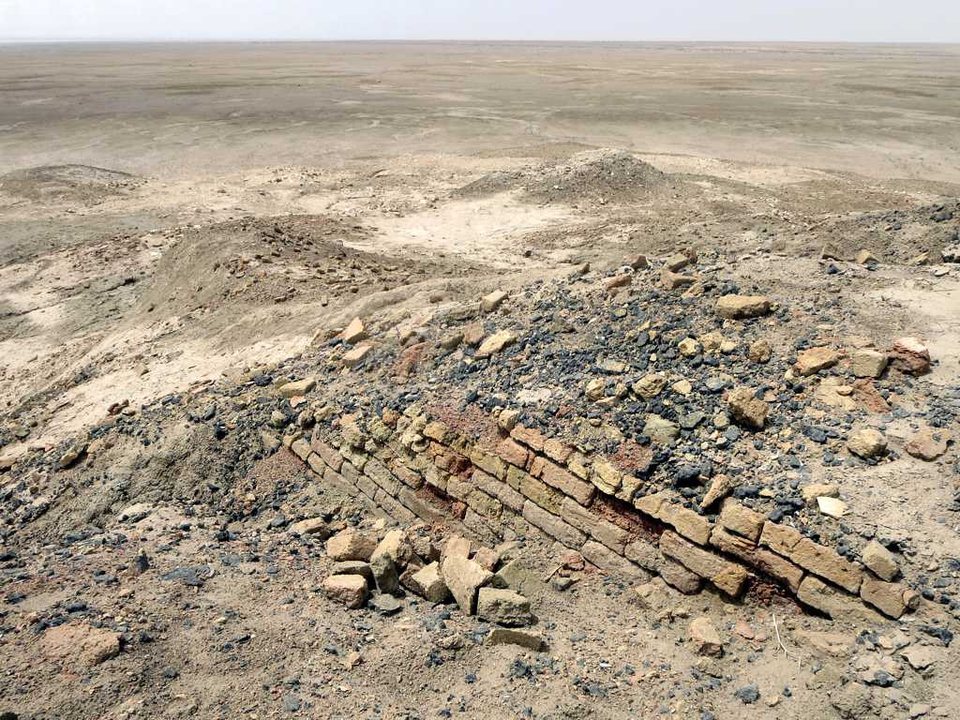
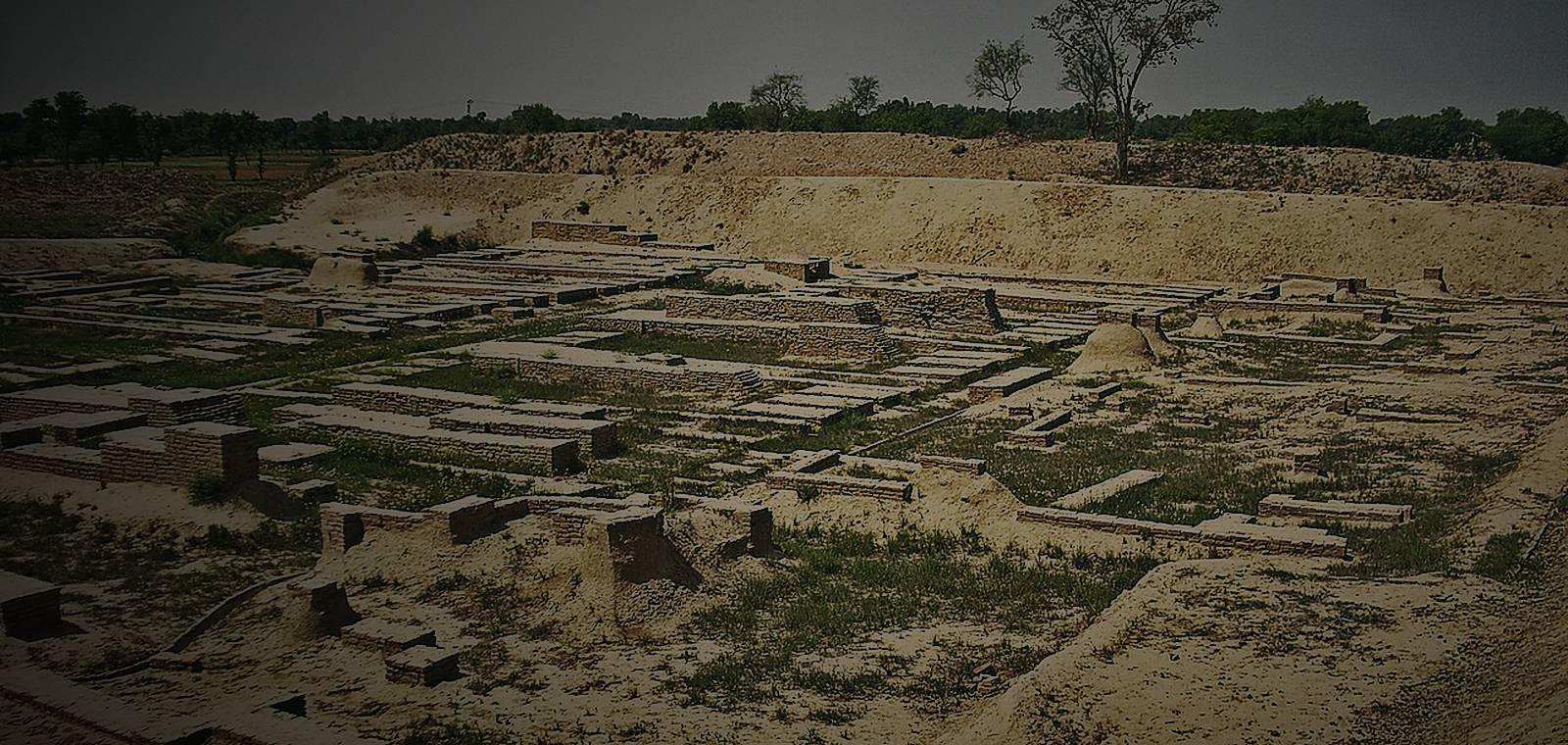
The traveller Charles Masson reached the village of Haripah in the Punjab and found a ruinous brick castle
, a large circular mound behind his camp and an old trench overgrown with grass. Local tradition, he wrote, held that a city once stood there, so large that it reached Chicha Watni thirteen kos away, and that it was destroyed by Providence for the crimes of its king. Masson believed he had found Sangala, the town Alexander the Great besieged, because every condition of Arrian's Sangala was here fulfilled
.
Alexander Cunningham of the Archaeological Survey of India measured the ruins and gave a circuit of about 12,500 feet, with the highest mound 60 feet above the fields. He also recorded what was happening to them: the brick mounds, he wrote, have more than sufficed to furnish brick ballast for about 100 miles of the Lahor and Multan Railway.
The most curious find was a seal of smooth black stone, owned by a Major Clark, engraved with a bull without a hump and six characters that were quite unknown to me. They are certainly not Indian letters.
He concluded that the seal was foreign to India.
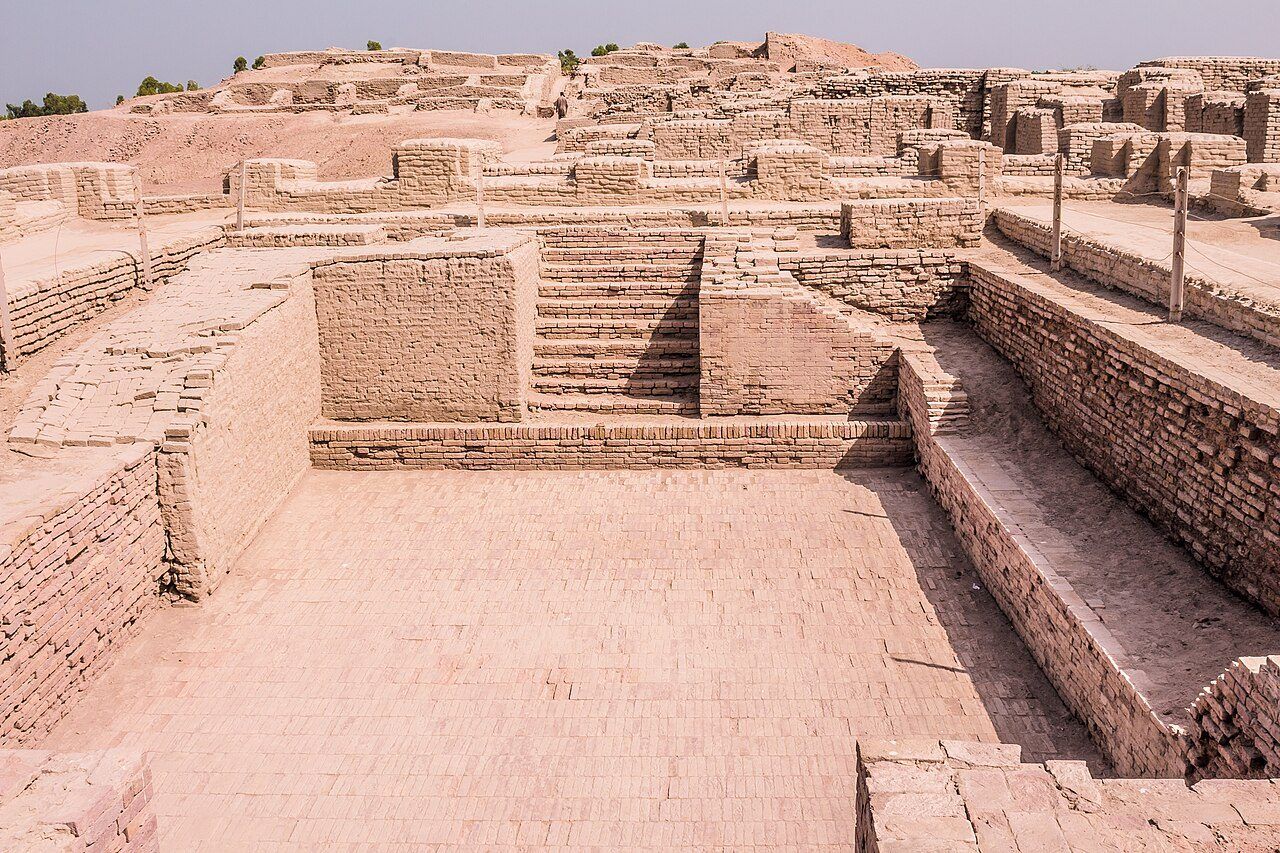
John Marshall later wrote that the seals came from the same civilization found at Mohenjo-daro. Excavation at Harappa was taken up in the year before Banerji's find at Mohenjo-daro by Rai Bahadur Daya Ram Sahni, at Marshall's urging. Marshall called the Indus civilization not an incipient civilization, but one already age-old
.