












What is Harold Puthoff known for?
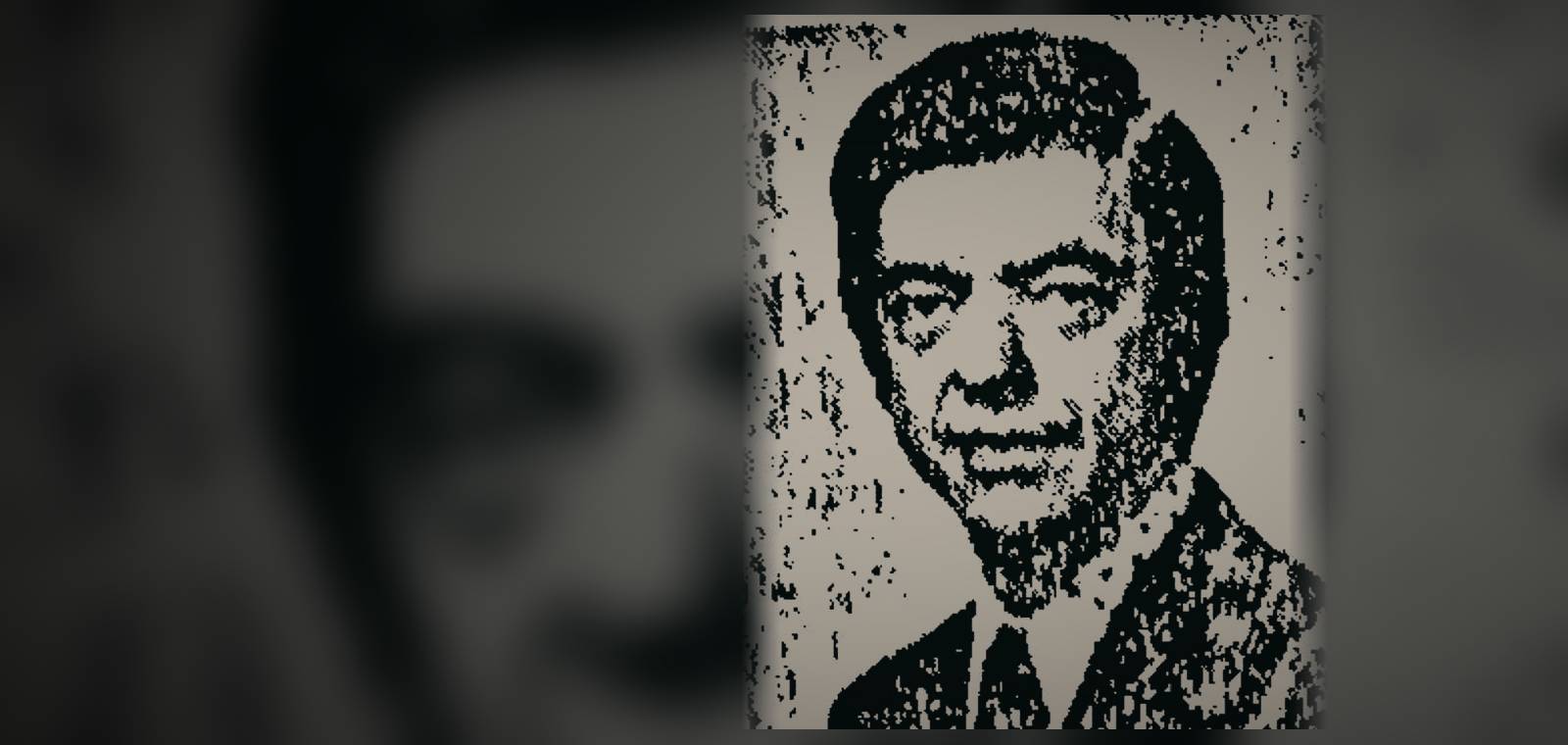
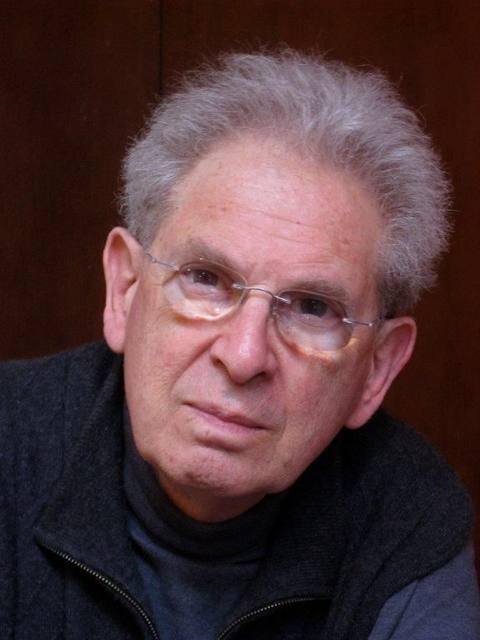
Harold E. Puthoff is an American electrical engineer and physicist who earned his PhD at Stanford in 1967 with work on lasers. In the early 1970s at Stanford Research Institute he and Russell Targ began experiments on psychic perception, and in CIA officer Kenneth Kress's account the two physicists re-awakened CIA interest in parapsychology.
Puthoff and Targ coined the term remote viewing for attempts to describe distant or hidden places by mental means alone. They tested subjects including Pat Price and Uri Geller, and published results in Nature in 1974. Critics, among them the psychologists David Marks and Richard Kammann, reported that judges in some trials had access to cues about the order of the sessions, and said that when these were removed the results fell to chance.
In 1985 Puthoff founded the Institute for Advanced Studies at Austin, which has studied ideas such as zero-point energy that most physicists regard as unsupported. In 2017 he co-founded To the Stars Academy, a company focused on UFOs.
Mentioned on these pages
- FileThe SRI Psychic Experiments (Puthoff, Targ and Uri Geller)
- PersonKenneth Kress
- PersonPat Price
- PersonRussell Targ
- PersonUri Geller
- PlaceSRI International
Linked people and places

Where this comes from
Comes from Kenneth A. Kress, 'Parapsychology in Intelligence: A Personal Review and Conclusions'…. Parapsychology in Intelligence, by Kenneth A. Kress (1977): An article by Kenneth A. Kress, a CIA officer, written in 1977 for the agency's internal journal Studies in Intelligence and later declassified. It reviews CIA-funded tests of psychic abilities in the 1970s, including 'remote viewing' at Stanford Research Institute, and their mixed results.
What this means
A real person with records. Sources are listed below.
For Harold Puthoff, the original record exists and is linked: Kenneth A. Kress, 'Parapsychology in Intelligence: A Personal Review and Conclusions'…. That tells you the record is real and what it says. It does not mean every claim in it is true.
Primary records exist: an original document, a published text, an official file or a dated report. We link to them. This level says the record exists and what it says, not that every claim in it is true.
Sources
- WikipediaA free online encyclopedia written and edited by volunteers. It is a good starting point and usually lists its own sources, but anyone can change it, so we treat it as a guide to better sources, not the final word.Wikipedia, 'Harold E. Puthoff'Reference Archived copy, 2026-09-28
- Parapsychology in Intelligence, by Kenneth A. Kress (1977)An article by Kenneth A. Kress, a CIA officer, written in 1977 for the agency's internal journal Studies in Intelligence and later declassified. It reviews CIA-funded tests of psychic abilities in the 1970s, including 'remote viewing' at Stanford Research Institute, and their mixed results.Kenneth A. Kress, 'Parapsychology in Intelligence: A Personal Review and Conclusions' (Studies in Intelligence, 1977; declassified), Internet ArchivePrimary text