Credible Theories Sign in
Hebrew Bible · Ezekiel 8:3; 40:3

Carried by the hair; the man of brass, Ezekiel 8:3

Share

In plain words

These are two short passages from Ezekiel, a book of the Bible about a priest taken captive to Babylon, written around 593 to 570 BCE. In one, a spirit lifts Ezekiel between earth and heaven and brings him to Jerusalem in a vision. In the other, a man who looks like brass holds a flax cord and a measuring reed. Scholars read both as visionary journeys.

ReferenceEzekiel 8:3; 40:3
Writtenc. 593–570 BCE
SetBabylonian exile
And the spirit lifted me up between the earth and the heaven, and brought me in the visions of God to Jerusalem… there was a man, whose appearance was like the appearance of brass, with a line of flax in his hand, and a measuring reed.

Documented · Ancient text, c. 593–570 BCE Translation: KJV

Read it literally

Ezekiel is transported hundreds of miles, then a metal-looking man surveys a future temple with measuring tools. An engineer.

What scholars say

Visionary journeys.

Themes Looks like technology Taken up alive
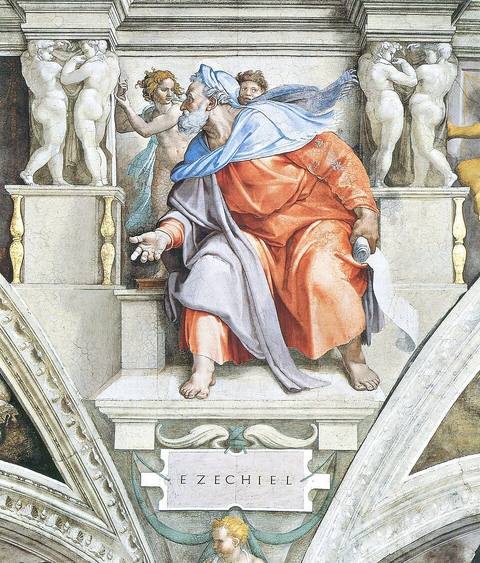
People and places hereEzekielJerusalem

Questions people ask about Ezekiel 8:3

What does Ezekiel see when he is taken to Jerusalem in chapter 8?

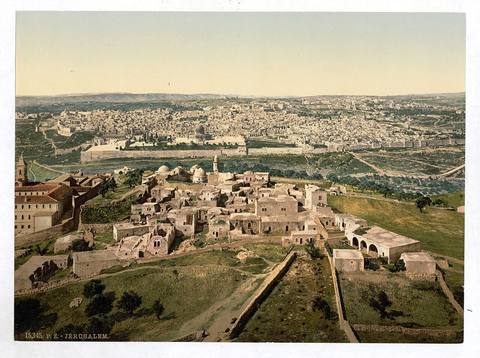
He is shown a series of practices the book calls abominations in the Temple. These include an idol near the north gate, seventy elders burning incense to carved images, women weeping for the god Tammuz, and about twenty-five men bowing to the sun in the east. In chapters 10 and 11, the glory of God leaves the Temple.

What is the temple vision in Ezekiel 40 to 48?

Ezekiel dates this vision to the twenty-fifth year of the exile, around 573 BCE. The guide measures gates, walls, courts and rooms of a new temple in great detail. Later a river flows out from under the temple and turns salty water fresh. The book ends by naming the new city 'The LORD is there.' This temple was never built as described.

Who was Ezekiel?

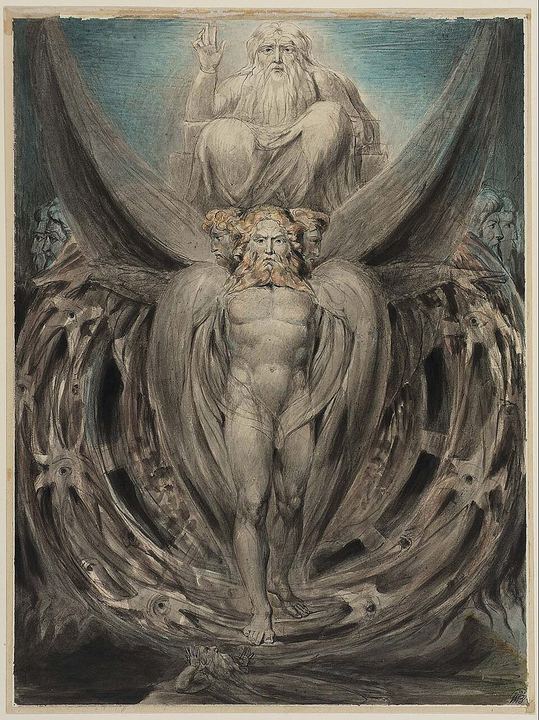
Ezekiel was a priest, the son of Buzi. He was taken to Babylon with King Jehoiachin in 597 BCE and lived among the exiles by the river Chebar. His opening vision of a throne with wheels and living creatures later shaped Jewish Merkabah, or chariot, mysticism. The Talmud says some rabbis once debated setting his book aside because parts seemed to clash with the Torah.

Where this comes from

EvidenceDocumented

Comes from The Book of Ezekiel, Ezekiel 8:3; 40:3, read here in the King James Version. A book of the Bible about Ezekiel, a priest taken captive to Babylon in 597 BC. It opens with his vision of a glowing throne with strange winged creatures and 'wheels within wheels', which some modern writers read as a spacecraft.

What this means

The text exists and is quoted from a published translation. What it describes is a separate question.

Primary records exist: an original document, a published text, an official file or a dated report. We link to them. This level says the record exists and what it says, not that every claim in it is true.

See all five labels

Sources

  1. The King James BibleThe English Bible made for King James I and first printed in 1611; the wording most people know comes from a 1769 update. It is out of copyright, which is why we quote it. The 1611 printing also had the Apocrypha, extra books kept in Catholic and Orthodox Bibles.King James Version (1611; standard 1769 text), with ApocryphaPrimary text Archived copy, 2026-10-03

Scholarly dates are rounded. The wording follows the named public-domain translation.

More from Hebrew Bible

The story before and after this one, and what each shares with Carried by the hair; the man of brass.

Photo credits
‹ Before thisEzekiel's wheelsEzekiel 1:4–28

Ezekiel describes a storm cloud full of fire and brightness coming from the north.

Also about BabylonSame theme: Looks like technology
Photo credits
Next ›Seraphim and the live coalIsaiah 6:1–7

Isaiah sees seraphim, a name that means "burning ones," each with six wings.

Also about JerusalemSame theme: Looks like technology

Updated

Discussion