Credible Theories Sign in
Hebrew Bible · Deuteronomy 2:10–11, 20–21

Emim, Rephaim and Zamzummim, Deuteronomy 2:10–11, 20–21

Share

In plain words

This is a short passage from Deuteronomy, the fifth book of the Bible, set out as Moses' last speeches and written around 650 to 550 BCE. It describes peoples who once lived in the land and were great, many, and tall, counted as giants like the Anakim. The Moabites called them Emim. The passage also names other giant peoples, the Rephaim and the Zamzummim.

ReferenceDeuteronomy 2:10–11, 20–21
Writtenc. 650–550 BCE
SetThe Exodus
The Emims dwelt therein in times past, a people great, and many, and tall, as the Anakims; Which also were accounted giants, as the Anakims; but the Moabites called them Emims.

Documented · Ancient text, c. 650–550 BCE Translation: KJV

Read it literally

Every neighboring nation had its own name for the giants. The giant clans were a regional population, not a single family.

What scholars say

Rephaim also means 'the shades of the dead' elsewhere in the Bible and in Ugaritic texts.

Themes Giants and hybrids
The same story, told elsewhere

Shared story · Beginnings

Giants and the Races Before Us

Genesis has the Nephilim, Greece has the Giants, the North has the frost giants, Arabia has the tall people of 'Ad and the Maya have Zipacna, who piled up mountains. Why does almost everyone remember giants?

Numbers 13 (the spies' report) is one telling. The same story is told 7 more times, in 4 parts of the world. Follow it:

  1. Hebrew BibleCanaan · c. 700-400 BCE · Ancient textTied to this page
  2. GreekBoeotia, Greece · c. 700 BCE · Ancient text
  3. Hebrew BibleJudah · c. 600-400 BCE · Ancient text
  4. Jewish apocalyptic (Second Temple)Judea · c. 300-200 BCE · Ancient text
  5. GreekGreece · 1st or 2nd century CE · Ancient text
  6. IslamSouthern Arabia · 7th century CE · Medieval text
  7. NorseIceland · c. 1220 CE · Medieval text
  8. K'iche' MayaHighland Guatemala · c. 1554-1558 · Retold in English

The open question: Real bones dug up and explained, a memory of older peoples, or something else that made giants a story almost everywhere? Join the debate

Questions people ask about Deuteronomy 2:10–11, 20–21

Who were the Anakim in the Bible?

The Anakim were said to descend from a man named Anak and lived around Hebron. Numbers 13:22 names three of them: Ahiman, Sheshai and Talmai. Joshua 11 claims Joshua wiped them out of the hill country, leaving survivors only in Gaza, Gath and Ashdod. Gath later becomes the hometown of Goliath.

Who were the Moabites and Ammonites?

They were peoples living east of the Jordan River, in what is now Jordan. Genesis 19 traces them to Moab and Ben-ammi, sons of Lot. The Moabites left one of the most important inscriptions of the region, the Mesha Stele from around 840 BCE, in which their king Mesha boasts of victories over Israel.

Why do these verses interrupt Moses' speech?

Deuteronomy 2 is told as Moses speaking, but these lines read like background notes for later readers, explaining old names for the land's earlier peoples. Many scholars think an editor added them. Modern translations such as the ESV and NRSV place them in parentheses to show they break the flow of the speech.

Used on these files

  • The Anakim: Who Were the Giant Sons of Anak? Myth or legendAncient spies came back from Canaan saying they felt like grasshoppers next to the sons of Anak. The Bible traces a line from these giants of Hebron to the Philistine city of Gath, home of Goliath. The spies' report is framed as a faithless exaggeration, though. Were the Anakim a real people, or a legend enlarged by fear?
  • Rephaim: Were They Giants or the Ghosts of the Dead? Myth or legendIn Hebrew, one word names both a tribe of giants and the ghosts of the dead. Deuteronomy pauses its travel story to list the tall peoples who once lived east of the Jordan, and other ancient texts use the same name for departed spirits. Which meaning came first, and how did giants and ghosts end up sharing a name?

Where this comes from

EvidenceDocumented

Comes from The Book of Deuteronomy, Deuteronomy 2:10–11, 20–21, read here in the King James Version. The fifth book of the Bible, set out as Moses' last speeches before Israel entered Canaan. It mentions giant peoples such as the Rephaim and the huge iron bed of King Og.

What this means

The text exists and is quoted from a published translation. What it describes is a separate question.

Primary records exist: an original document, a published text, an official file or a dated report. We link to them. This level says the record exists and what it says, not that every claim in it is true.

See all five labels

Sources

  1. The King James BibleThe English Bible made for King James I and first printed in 1611; the wording most people know comes from a 1769 update. It is out of copyright, which is why we quote it. The 1611 printing also had the Apocrypha, extra books kept in Catholic and Orthodox Bibles.King James Version (1611; standard 1769 text), with ApocryphaPrimary text Archived copy, 2026-10-03
  2. The Book of NumbersThe fourth book of the Bible, named for its head counts of the people. It follows the Israelites through 40 years in the desert, including the spies' report of giants in Canaan and the bronze snake Moses made. Scholars think it reached its final form by roughly 500 to 400 BC.Numbers 13:22–33, King James Version Online copyPrimary text Archived copy, 2026-10-03
  3. The Book of DeuteronomyThe fifth book of the Bible, set out as Moses' last speeches before Israel entered Canaan. It mentions giant peoples such as the Rephaim and the huge iron bed of King Og. Many scholars link its core to the 600s BC, with later additions.Deuteronomy 2:10–11, 20–21, King James Version Online copyPrimary text Archived copy, 2026-10-03

Scholarly dates are rounded. The wording follows the named public-domain translation.

More from Hebrew Bible

The story before and after this one, and what each shares with Emim, Rephaim and Zamzummim.

Photo credits
‹ Before thisGiants in Canaan: 'we were as grasshoppers'Numbers 13:32–33

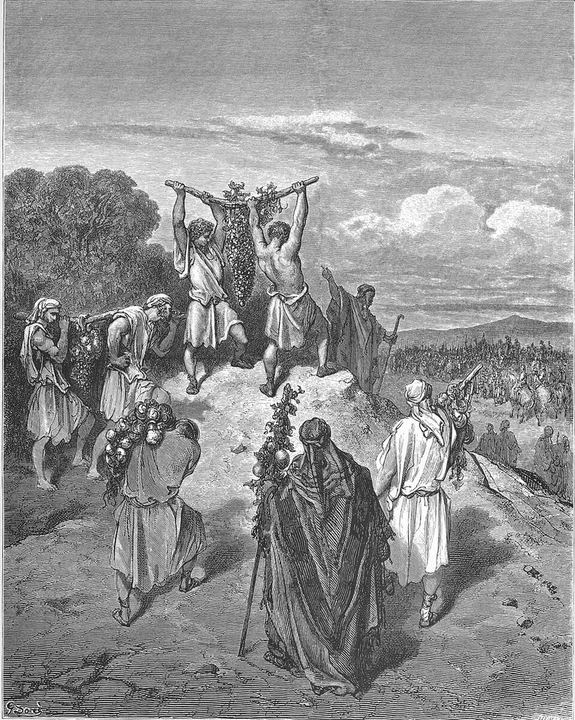
Spies back from the land of Canaan report seeing giants, the sons of Anak.

Same theme: Giants and hybrids
Photo credits
Next ›Og's iron bedDeuteronomy 3:11

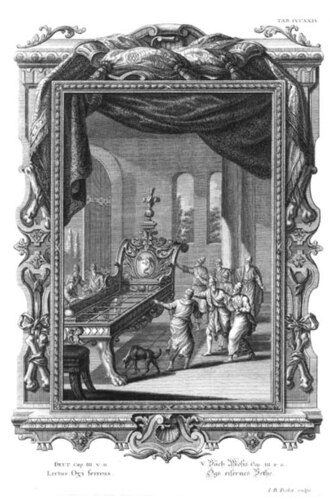
It says Og, king of Bashan, was the last of the giants.

Same theme: Giants and hybrids

Updated

Discussion