The record
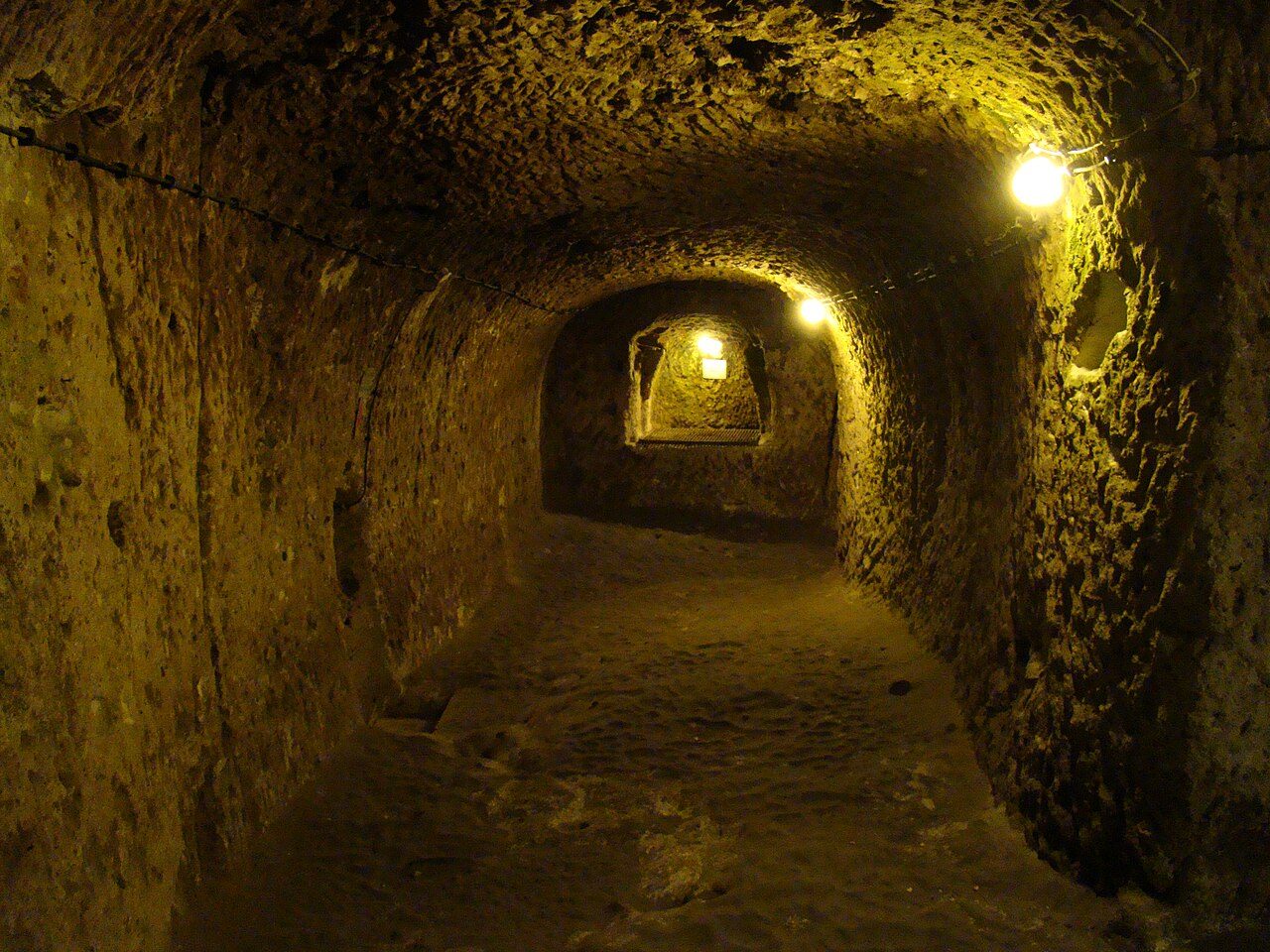
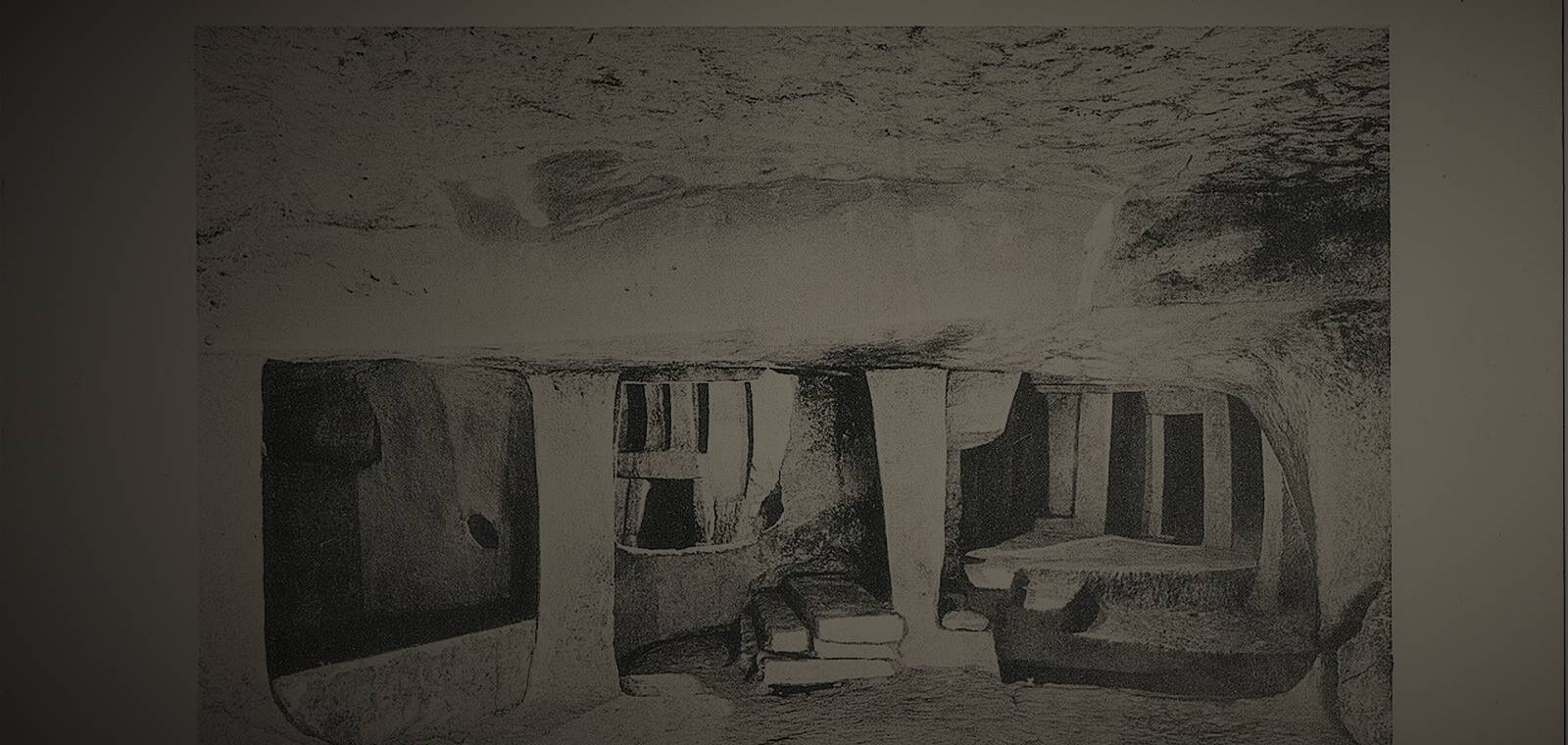
The Ħal Saflieni Hypogeum is an underground complex beneath the town of Paola in Malta, on a hill overlooking the inner part of Valletta's Grand Harbour. UNESCO says it was used from around 4000 to 2500 BCE and is cut into soft globigerina limestone as three superimposed levels of chambers. Perhaps a sanctuary at first, it became a burial place; it originally held the remains of about 7,000 individuals.
Its discovery was close to a disaster. Themistocles Zammit, who published the first full report in 1910, wrote that in 1902 two large blocks of houses were being built on the spot, and while cutting the rock for a water tank the workmen broke into a large cave. The owner kept the news to himself and used the caves as a handy dumping ground for stones and debris. Only when the houses were finished did he mention the find, casually, to Government officials.
The site became public property in 1903. Father Emanuel Magri began clearing it, sifting a damp layer full of bones and pottery, but he died at Susa in 1907 before writing any report, and his notes were lost. Zammit led the work from 1907 to 1911.
Heritage Malta describes red ochre spirals, spots and honeycomb patterns on walls and ceilings, and a room called the Oracle, named for a niche with acoustic properties. A small reclining figure known as the Sleeping Lady was found in one of the main rooms. Today only 10 people an hour may visit, along a set path.