












What is Abraham known for?
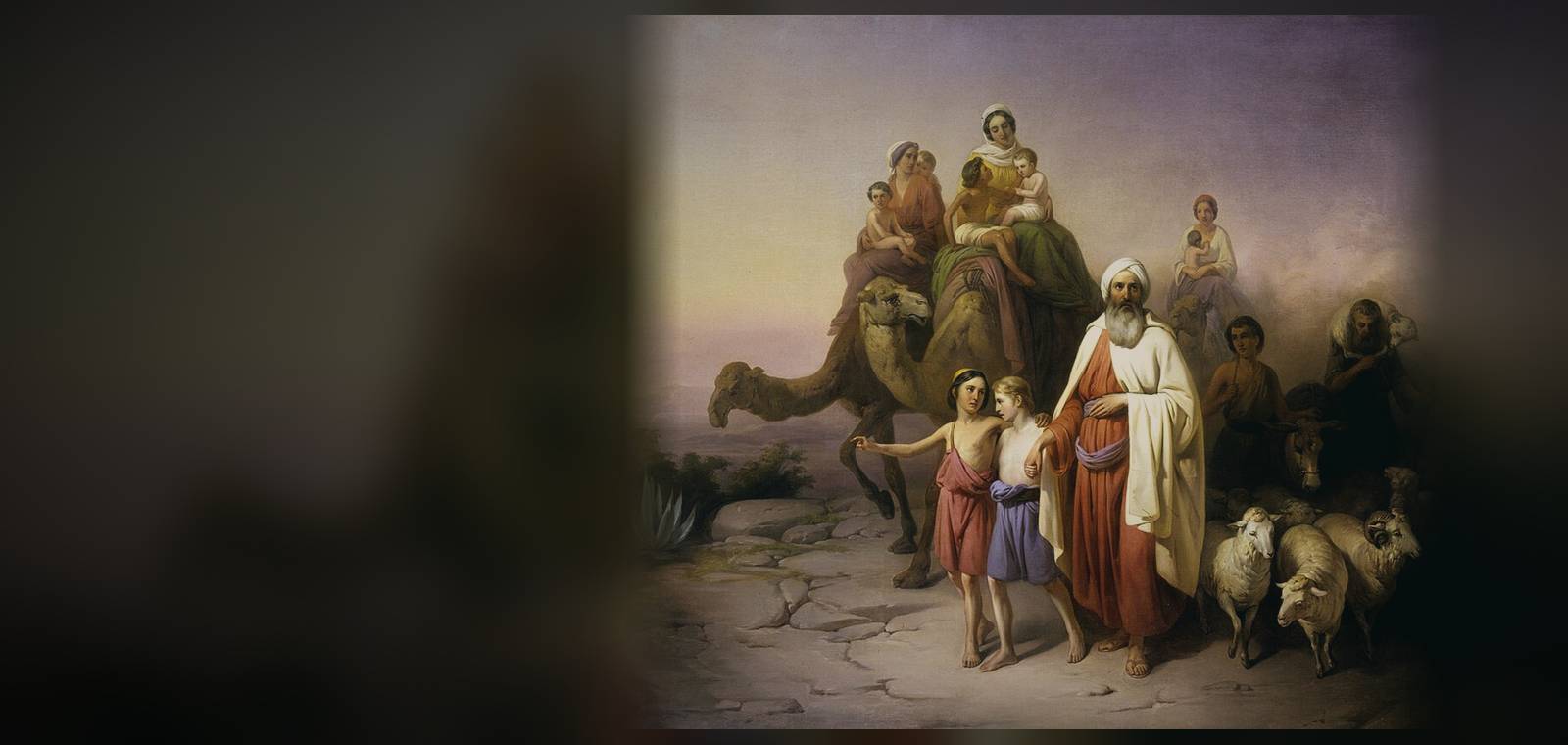
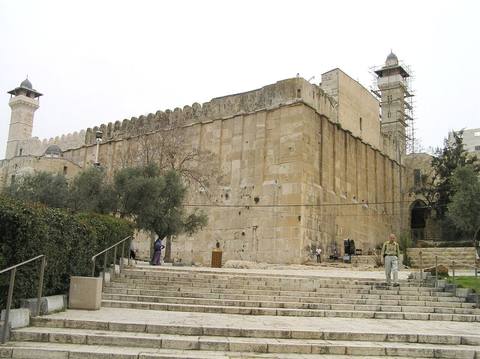
In Genesis, Abram leaves Ur of the Chaldees with his father Terah, settles in Canaan at God's call, and receives a covenant promising land and many descendants. God renames him Abraham, "father of a multitude." He fathers Ishmael with Hagar and Isaac with Sarah, is tested by the command to sacrifice Isaac, and dies at 175. He is buried in the cave of Machpelah at Hebron. Judaism, Christianity and Islam all honor him as a founding figure; in the Quran he is the prophet Ibrahim.
Most modern scholars treat the patriarchal stories as later literary traditions rather than biography, though some see older cultural memories in them.
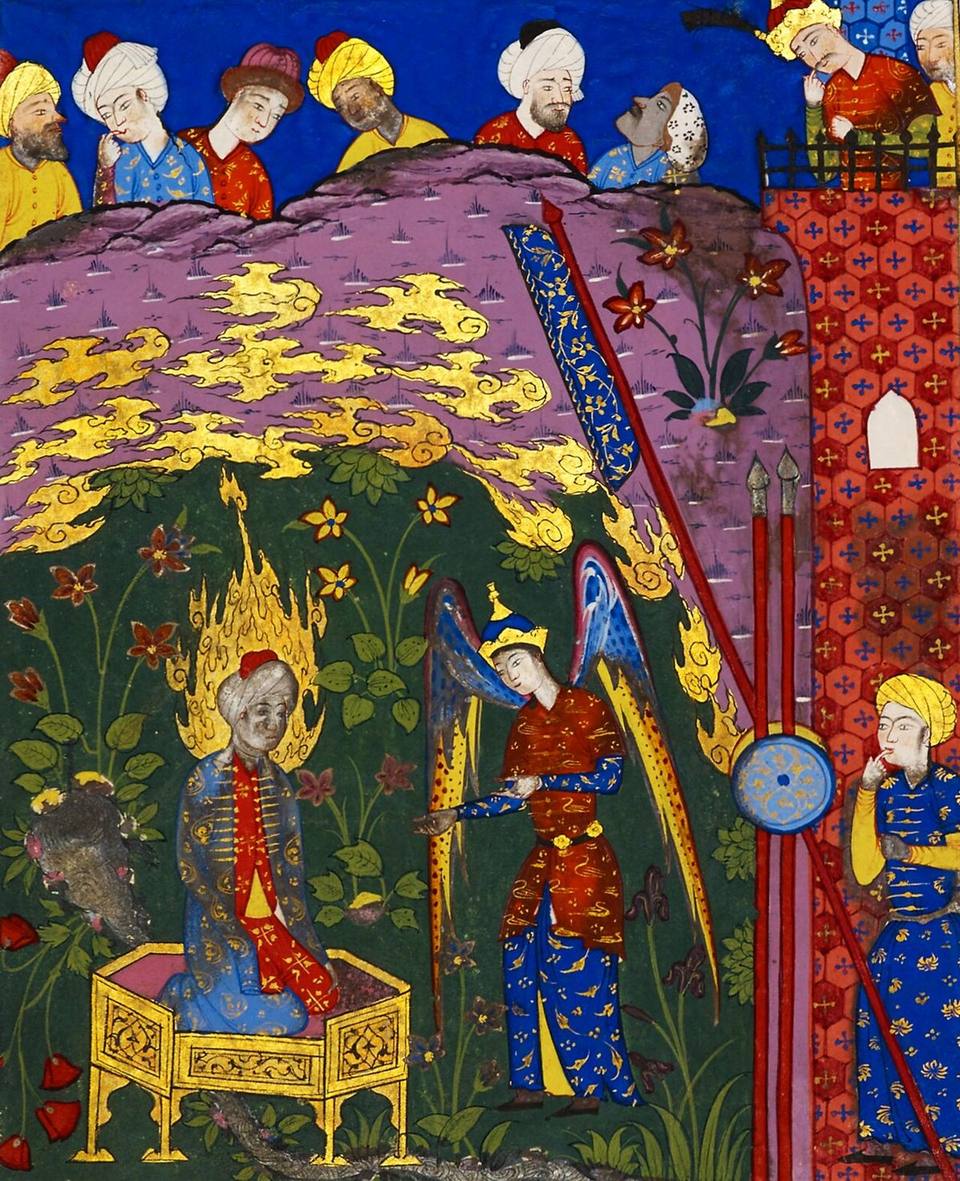
Many later texts expand his life. The Genesis Apocryphon adds his dream of a cedar and a palm before he goes to Egypt. The Apocalypse of Abraham has him reject his father's idols and then rise to heaven on the wings of sacrificed birds, guided by the angel Yahoel, where he sees a fiery throne with wheels full of eyes. Jewish and Islamic legends say Nimrod threw him into a furnace and he walked out unharmed.
Titles and honors
- Titles
- First Hebrew patriarch, in Judaism
- Prophet, in Christianity
- Khalilullah (Friend of God), in Islam
- Manifestation of God, in the Bahai Faith
The same story, told elsewhere
Shared story · Heroes and trials
A Child Offered Up: Abraham, Jephthah, Agamemnon and Harishchandra
A father is told, or promises, that he must give up his own child. Sometimes an animal is found in time and sometimes no one stops the knife, and the story is told in the Bible, the Quran, Greece, India and Viking-age Sweden.
Genesis 22 (the binding of Isaac) and Quran, Surah 37, As-Saffat (Abraham's son) are two tellings. The same story is told 7 more times, in 4 parts of the world. Follow it:
- Hebrew Bible (about Moab)Kir-hareseth, Moab · c. 850 BCE · Ancient text
- Vedic IndiaNorthern India · c. 800-600 BCE · Ancient text
- Hebrew BibleGilead, east of the Jordan · c. 7th-6th century BCE · Ancient text
- Hebrew BibleJudah / Israel · 1st millennium BCE · Ancient textTied to this page
- GreekAthens, Greece · 458 BCE · Ancient text
- Phoenician (in Greek)Byblos, Lebanon · c. 100 CE · Ancient text
- IslamArabia · 7th century CE · Medieval textTied to this page
- Norse (Swedish legend)Uppsala, Sweden · c. 1225 CE · Medieval text
- French (Greek legend)France · 1699 · Recorded folklore
The open question: Do these stories remember a time when people really gave up their children, or were they told to teach that it must never happen? Join the debate
Mentioned on these pages
- FileAbraham Lincoln's dream of his own death
- FileApocalypse of Abraham
- FileAzazel
- FileBook of Jubilees
- FileGenesis Apocryphon
- FileMastema
- FileNimrod
- FileThe 1876 plot to steal Lincoln's body
- PassageAbraham rides a bird into heaven (Apocalypse of Abraham 12–18)
- PassageAngels unawares (Hebrews 13:2)
- PersonIsaac
- PersonMelchizedek
- PersonSarah (Sarai)
- PersonShem
- PersonTerah
- PlaceBethel
- PlaceCanaan
- PlaceHebron
- PlaceSodom
- PlaceUr
Linked people and places
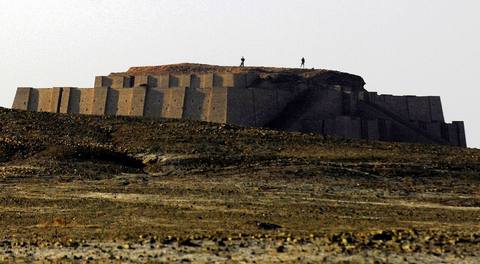
Where this comes from
Comes from Genesis 12–25 (KJV), Bible Gateway. The Book of Genesis: The first book of the Bible, telling of Creation, Adam and Eve, Noah's Flood and the families of Abraham, Isaac and Jacob. Scholars think it was written and edited over several centuries and finished by roughly 500 to 400 BC. The oldest surviving copies are pieces of the Dead Sea Scrolls.
What this means
A story or tradition. It is documented as a story; nothing independent shows it happened.
Abraham is known from stories, scripture or tradition. The texts are real and we quote them (for example Genesis 12–25 (KJV), Bible Gateway), but nothing outside those texts shows that Abraham was real as described.
The page covers something known from myths, scripture or tradition. The texts are real and we quote them, but no independent record shows the events or beings were real.
Sources
- The Book of GenesisThe first book of the Bible, telling of Creation, Adam and Eve, Noah's Flood and the families of Abraham, Isaac and Jacob. Scholars think it was written and edited over several centuries and finished by roughly 500 to 400 BC. The oldest surviving copies are pieces of the Dead Sea Scrolls.Genesis 12–25 (KJV), Bible Gateway Online copyPrimary text Archived copy, 2026-07-19
- WikipediaA free online encyclopedia written and edited by volunteers. It is a good starting point and usually lists its own sources, but anyone can change it, so we treat it as a guide to better sources, not the final word.Wikipedia, 'Abraham'Reference Archived copy, 2026-10-01
No public-domain picture of this person yet. We do not show drawn or generated likenesses.