












What is Edward Ullendorff known for?
Edward Ullendorff was a Berlin-born British scholar of Semitic languages and Ethiopia. In 1964 the School of Oriental and African Studies in London created for him the world's first chair of Ethiopian Studies. In 1979 he took the chair of Semitic Languages at SOAS and retired in 1982. He died in Oxford in 2011.
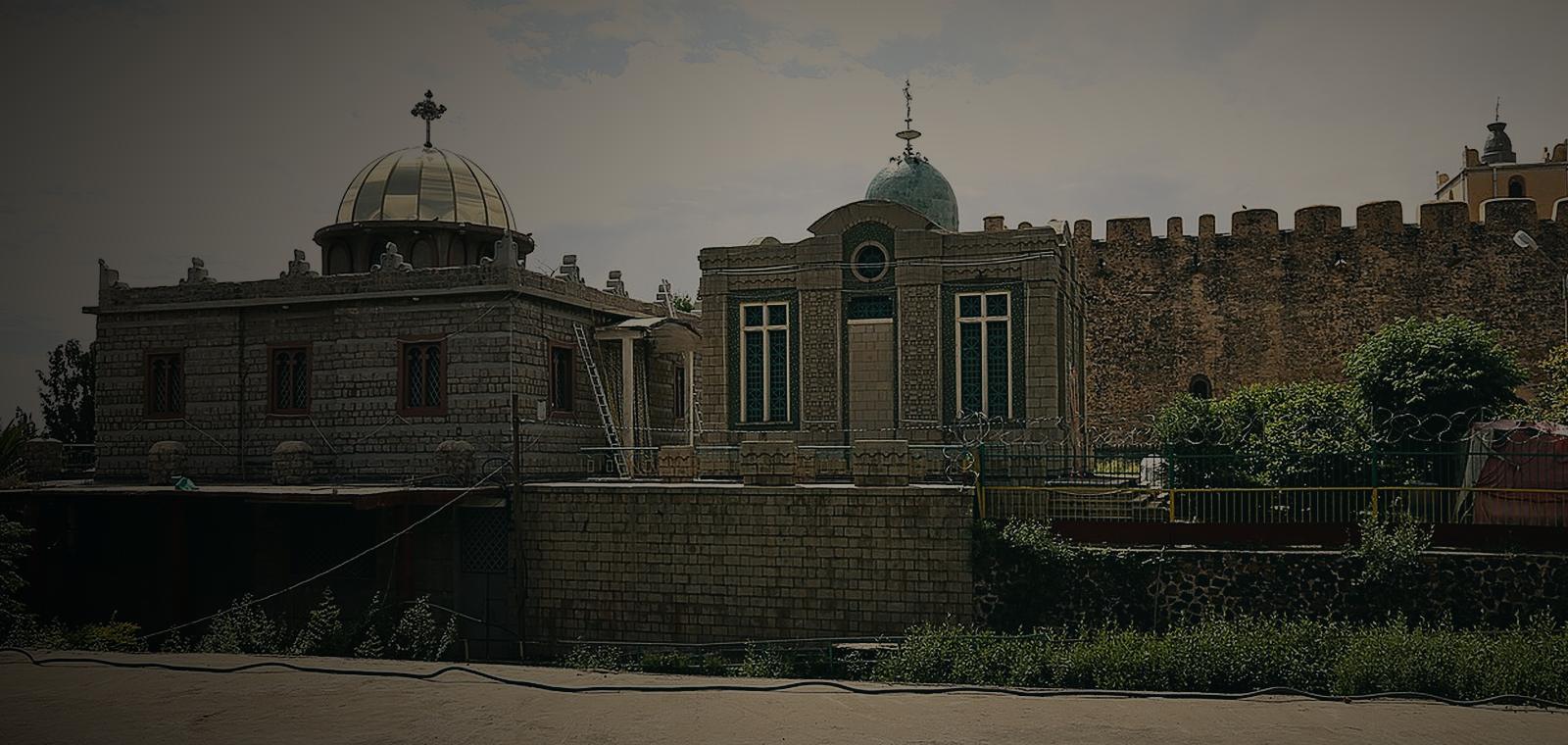
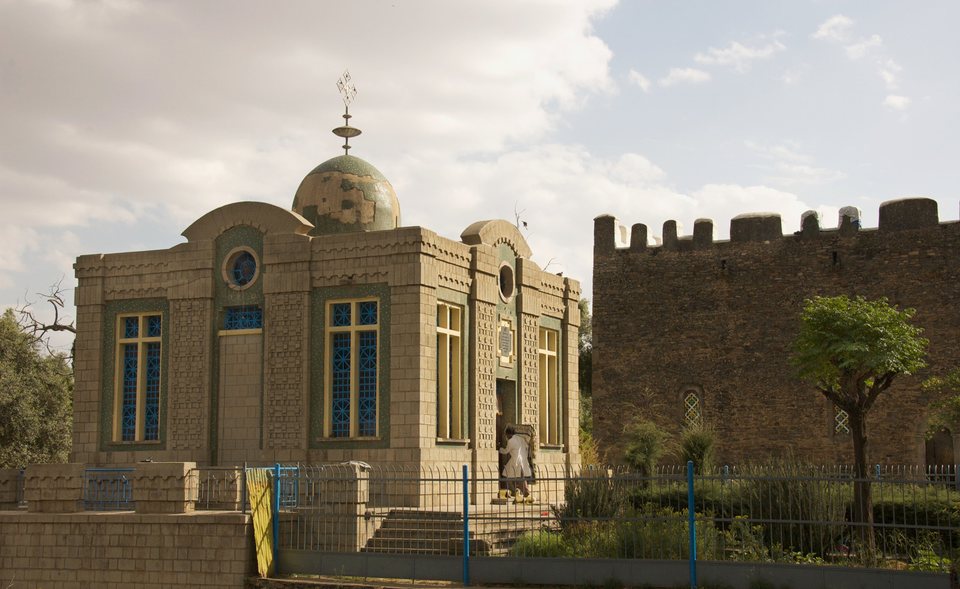
During the Second World War he served as a British officer in Ethiopia. He later said that in 1941 he was shown the object kept at the Church of Our Lady Mary of Zion in Aksum, which Ethiopian Orthodox tradition holds to be the Ark of the Covenant brought from Jerusalem by Menelik I, son of Solomon and the Queen of Sheba, as told in the Kebra Nagast. In a 1992 interview he described it as an empty wooden box of middle- to late-medieval make.
Access to the object is restricted to a single guardian monk, so no other outside scholar is known to have examined it. The church does not accept his description.
Titles and honors
- Offices held
- Chair of Ethiopian Studies, SOAS 1964
- Vice-President, British Academy 1980-1982
- President, Society for Old Testament Study 1971
- Medals and honors
- Fellow of the British Academy 1965
- Haile Selassie International Prize, Ethiopian Studies 1972
Mentioned on these pages
Linked people and places
Where this comes from
Comes from Wikipedia, 'Edward Ullendorff'. A free online encyclopedia written and edited by volunteers. It is a good starting point and usually lists its own sources, but anyone can change it, so we treat it as a guide to better sources, not the final word.
What this means
A real person with records. Sources are listed below.
For Edward Ullendorff, the original record exists and is linked: Wikipedia, 'Edward Ullendorff'. That tells you the record is real and what it says. It does not mean every claim in it is true.
Primary records exist: an original document, a published text, an official file or a dated report. We link to them. This level says the record exists and what it says, not that every claim in it is true.
Sources
- WikipediaA free online encyclopedia written and edited by volunteers. It is a good starting point and usually lists its own sources, but anyone can change it, so we treat it as a guide to better sources, not the final word.Wikipedia, 'Edward Ullendorff'Reference Archived copy, 2026-09-14
- Cambridge Core (Cambridge University Press)The online home of Cambridge University Press's journals and books. Articles there have been through the publisher's expert review.David L. Appleyard, 'Obituary: Edward Ullendorff, 1920–2011', Bulletin of SOAS (Cambridge Core)Reference Archived copy, 2026-10-03
No public-domain picture of this person yet. We do not show drawn or generated likenesses.