












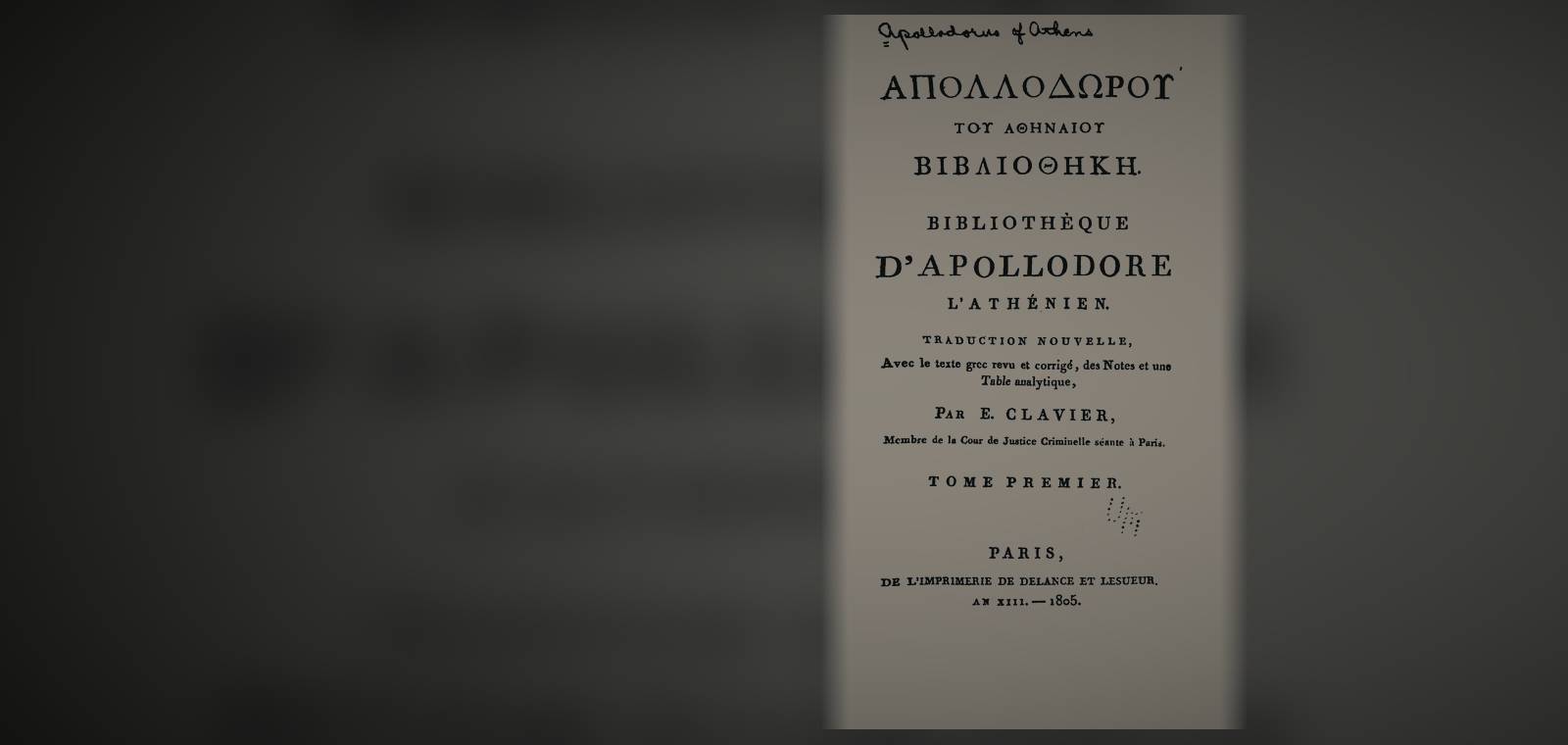
What is Apollodorus known for?
The Bibliotheca, or Library, is a prose handbook that summarizes Greek mythology, from the origin of the gods through the heroes to the aftermath of the Trojan War. It survives under the name of Apollodorus of Athens, a respected scholar who died after 120 BCE and wrote a Chronicle and a work On the Gods. Modern scholars agree the Library is not his: it was composed in the 1st or 2nd century CE by an unknown writer, often called Pseudo-Apollodorus.
Because it collects variant versions side by side and often names its sources, it is one of the most useful references for Greek myth.
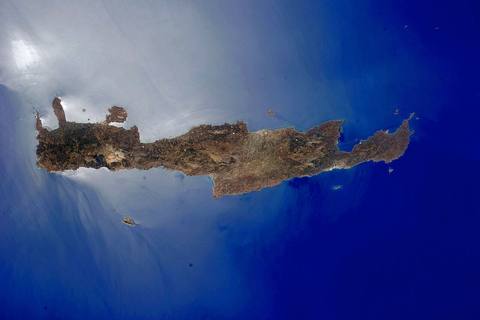
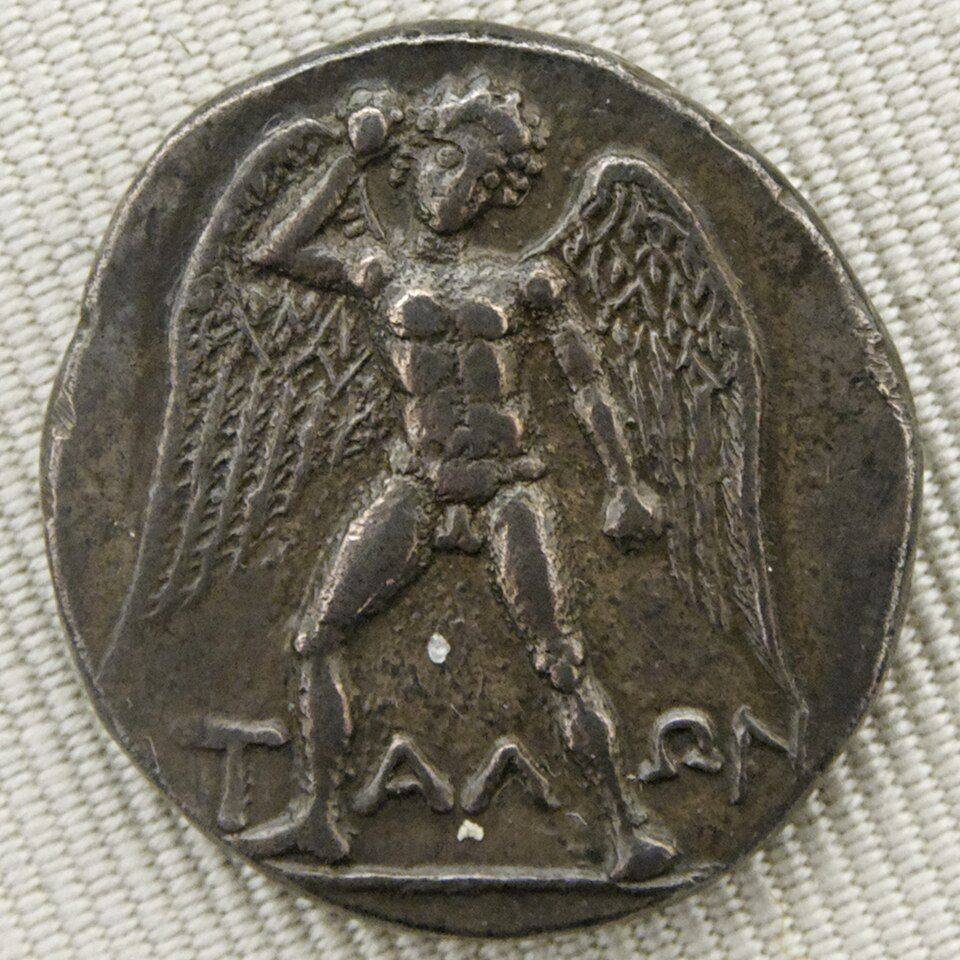
On Talos, the bronze guardian of Crete, it gives more versions than the poets. Talos was either a bronze man of the bronze race or a gift from Hephaestus to Minos. He had one vein from neck to ankles, closed with a bronze nail. Medea either drugged him or promised to make him immortal and pulled the nail, and he bled to death. Other accounts say he was shot in the ankle by the Argonaut Poeas.
The same story, told elsewhere
Shared story · Floods and lost lands
Flood Stories Around the World
A god warns one good man, a boat is built, the world drowns and birds are sent out to find land. The same story turns up from Iraq to India to Greece, with cousins in China, Scandinavia and Guatemala.
Apollodorus, The Library (Deucalion and Pyrrha) is one telling. The same story is told 9 more times, in 6 parts of the world. Follow it:
- Vedic IndiaNorthern India · c. 800-600 BCE · Ancient text
- Babylonian (Akkadian)Mesopotamia · 7th century BCE · Ancient text
- Hebrew BibleJudah / Babylon · c. 600-400 BCE · Ancient text
- ChineseYellow River valley, China · 1st millennium BCE · Ancient text
- Zoroastrian (Persian)Iran / Central Asia · 1st millennium BCE · Ancient text
- Babylonian, retold in GreekBabylon · c. 280 BCE · Ancient text
- GreekGreece · 1st or 2nd century CE · Ancient textTied to this page
- IslamArabia · 7th century CE · Medieval text
- NorseIceland · c. 1220 CE · Medieval text
- K'iche' MayaHighland Guatemala · c. 1554-1558 · Retold in English
The open question: One real flood remembered by many peoples, or many different floods that each people told in its own way? Join the debate
Shared story · Beginnings
Giants and the Races Before Us
Genesis has the Nephilim, Greece has the Giants, the North has the frost giants, Arabia has the tall people of 'Ad and the Maya have Zipacna, who piled up mountains. Why does almost everyone remember giants?
Apollodorus, The Library (the Gigantomachy) is one telling. The same story is told 7 more times, in 4 parts of the world. Follow it:
- Hebrew BibleCanaan · c. 700-400 BCE · Ancient text
- GreekBoeotia, Greece · c. 700 BCE · Ancient text
- Hebrew BibleJudah · c. 600-400 BCE · Ancient text
- Jewish apocalyptic (Second Temple)Judea · c. 300-200 BCE · Ancient text
- GreekGreece · 1st or 2nd century CE · Ancient textTied to this page
- IslamSouthern Arabia · 7th century CE · Medieval text
- NorseIceland · c. 1220 CE · Medieval text
- K'iche' MayaHighland Guatemala · c. 1554-1558 · Retold in English
The open question: Real bones dug up and explained, a memory of older peoples, or something else that made giants a story almost everywhere? Join the debate
Shared story · Births
Born of a Virgin or a God: Miraculous Births Compared
Jesus is not the only hero said to be born of a maiden and a god. Rome, India, Greece and Persia tell it too, and Egypt and India tell the births of Horus and Krishna in their own ways.
Apollodorus, The Library (Danae and Perseus) is one telling. The same story is told 8 more times, in 4 parts of the world. Follow it:
- Hebrew BibleJerusalem, Kingdom of Judah · c. 740-700 BCE · Ancient text
- HinduNorthern India · c. 400 BCE · Ancient text
- GreekArgos, Greece · c. 1st-2nd century CE · Ancient textTied to this page
- ChristianWritten in Greek, probably in Syria or Galilee · c. 80-90 CE · Ancient text
- RomanAlba Longa and Rome, Italy · c. 100 CE · Ancient text
- BuddhistLumbini, Nepal · c. 100 CE · Ancient text
- EgyptianEgypt · c. 100 CE · Ancient text
- HinduMathura and Gokula, northern India · first millennium CE · Medieval text
- ZoroastrianIran · 9th century CE · Medieval text
The open question: Why do so many traditions give their great figures a birth unlike anyone else's? A shared pattern, or each people's own way of saying "this one is special"? Join the debate
Shared story · Death and return
Taken Up to Heaven: Ascension Stories Compared
Enoch, Elijah, Romulus, Heracles, Krishna and Jesus all leave the earth by going up: in a whirlwind, a cloud, a storm or a blaze of light. The stories quoted side by side.
Apollodorus, The Library (the death of Heracles) is one telling. The same story is told 6 more times, in 3 parts of the world. Follow it:
- Hebrew BibleJudah · c. 600-400 BCE · Ancient text
- Hebrew BibleNear the Jordan River, Israel · c. 600-550 BCE · Ancient text
- HinduDvaraka, western India · c. 400 BCE · Ancient text
- GreekMount Oeta, central Greece · c. 1st-2nd century CE · Ancient textTied to this page
- ChristianMount of Olives, Jerusalem · c. 80-90 CE · Ancient text
- RomanRome, near the Goat's Marsh · c. 100 CE · Ancient text
- IslamicMecca to Jerusalem · c. 620 CE · Medieval text
The open question: Why do so many stories end with a great figure leaving the earth alive instead of dying like everyone else? Join the debate
Shared story · Signs and numbers
The Sacred Twelve: Tribes, Disciples, Gods and Signs
Twelve tribes of Israel, twelve disciples, twelve gods of Greece and of Asgard, twelve Adityas in India, twelve signs ringing the Mithras carvings. The number twelve turns up again and again.
Apollodorus, The Library (Heracles serves twelve years) is one telling. The same story is told 7 more times, in 6 parts of the world. Follow it:
- Hebrew BibleCanaan and Egypt · c. 600-400 BCE · Ancient text
- Greek (about Egypt)Egypt, as reported by Egyptian priests · c. 430 BCE · Ancient text
- HinduNorthern India · c. 400 BCE · Ancient text
- GreekTiryns, Greece · c. 1st-2nd century CE · Ancient textTied to this page
- ChristianGalilee · c. 80-90 CE · Ancient text
- RomanMithras temples across the Roman Empire · c. 100-400 CE · Ancient text
- NorseIceland · c. 1220 CE · Medieval text
- Egyptian (a modern comparison)Written in London about Egyptian texts · 1907 · Modern book
The open question: Is twelve special because of the sky and the calendar, or because each tradition chose it for its own reasons? Join the debate
Shared story · Births
Saved From the Water: Sargon, Moses and Karna
A mother seals her baby in a basket, tars the lid and lets the river take him. A stranger pulls him out, and the child grows up to rule. The same story is told of a king in Iraq, a prophet in Egypt and a warrior in India.
Apollodorus, The Library (Danae and Perseus) is one telling. The same story is told 8 more times, in 6 parts of the world. Follow it:
- ChineseYellow River valley, China · c. 1000-700 BCE · Ancient text
- Akkadian (Mesopotamia)Mesopotamia · c. 8th-7th century BCE · Ancient text
- Hebrew BibleJudah / Babylon · c. 600-400 BCE · Ancient text
- Persian (told by a Greek)Media and Persia · c. 430 BCE · Ancient text
- Hindu (Mahabharata)Northern India · c. 400 BCE · Ancient text
- RomanRome, Italy · c. 27-25 BCE · Ancient text
- GreekGreece · 1st or 2nd century CE · Ancient textTied to this page
- WelshWales · c. 1550 CE · Early modern text
- Maori (New Zealand)New Zealand · 1840 · Recorded folklore
The open question: Did one old Near Eastern story travel from people to people, or does every great leader's story end up with the same rescue from the river? Join the debate
Shared story · Beginnings
People Made From Clay: Adam, Nuwa, Prometheus and the Potter Gods
A god kneels in the mud, shapes a body with his hands and breathes it into life. That scene is told in Iraq, Israel, Egypt, Greece, China, Arabia, Guatemala, Sudan and New Zealand.
Apollodorus, The Library (Prometheus makes people) is one telling. The same story is told 8 more times, in 6 parts of the world. Follow it:
- Babylonian (Akkadian)Mesopotamia · c. 1700 BCE · Ancient text
- Ancient EgyptianEgypt · c. 1215 BCE · Ancient text
- Hebrew BibleJudah · c. 900-450 BCE · Ancient text
- GreekGreece · 1st or 2nd century CE · Ancient textTied to this page
- ChineseChina · c. 195 CE · Retold in English
- IslamArabia · 7th century CE · Medieval text
- K'iche' MayaHighland Guatemala · c. 1554-1558 · Retold in English
- Maori (New Zealand)Aotearoa · 19th century · Retold in English
- Shilluk (South Sudan)White Nile, South Sudan · 1911 · Retold in English
The open question: Did one old story about a potter god travel from people to people, or does anyone who works with clay end up imagining that we were made from it? Join the debate
Shared story · Signs and numbers
The Sun Stands Still: Joshua, Hezekiah, Athena and Maui
A general shouts at the sun to stop, and it stops. A goddess holds back the dawn, a hero lassoes the sun, and a wife's curse keeps it from rising at all.
Apollodorus, The Library (Zeus and Alcmena) is one telling. The same story is told 8 more times, in 7 parts of the world. Follow it:
- GreekIthaca · c. 750-650 BCE · Ancient text
- Hebrew BibleCanaan · c. 650-550 BCE · Ancient text
- Hebrew BibleJerusalem · c. 600-550 BCE · Ancient text
- Egyptian, reported in GreekEgypt · c. 430 BCE · Ancient text
- GreekThebes, Greece · 1st or 2nd century CE · Ancient textTied to this page
- ChineseChina · c. 80 CE · Ancient text
- Hindu (Puranic)India · c. 250-500 CE · Ancient text
- Ojibwe (North America)Great Lakes region, North America · 1820 · Recorded folklore
- Maori (New Zealand)Aotearoa · 1840 · Recorded folklore
The open question: When ancient writers say the sun stood still, are they remembering something people really saw in the sky, or using the boldest picture they could find for a god's power over time? Join the debate
Mentioned on these pages
Linked people and places
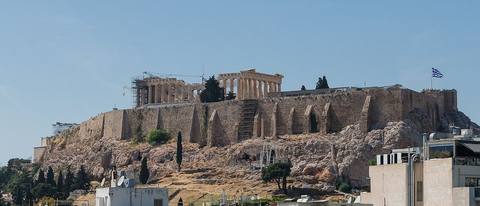
Where this comes from
Comes from Encyclopaedia Britannica, 'Apollodorus of Athens'. An encyclopedia first published in Scotland in 1768 and now online. Its articles are written and checked by named experts and editors, which makes it a reliable source for basic facts.
What this means
Scholars disagree about whether, or where, this was real.
For Apollodorus, there is real evidence, but it does not settle the question (2 sources listed at the bottom of this page).
Serious people have done real work and there is real evidence for the idea, but it falls short of proof. We show what supports it, what is missing and who disagrees.
Sources
- Encyclopaedia BritannicaAn encyclopedia first published in Scotland in 1768 and now online. Its articles are written and checked by named experts and editors, which makes it a reliable source for basic facts.Encyclopaedia Britannica, 'Apollodorus of Athens'Reference
- WikipediaA free online encyclopedia written and edited by volunteers. It is a good starting point and usually lists its own sources, but anyone can change it, so we treat it as a guide to better sources, not the final word.Wikipedia, 'Bibliotheca (Pseudo-Apollodorus)'Reference Archived copy, 2026-09-20
No public-domain picture of this person yet. We do not show drawn or generated likenesses.