












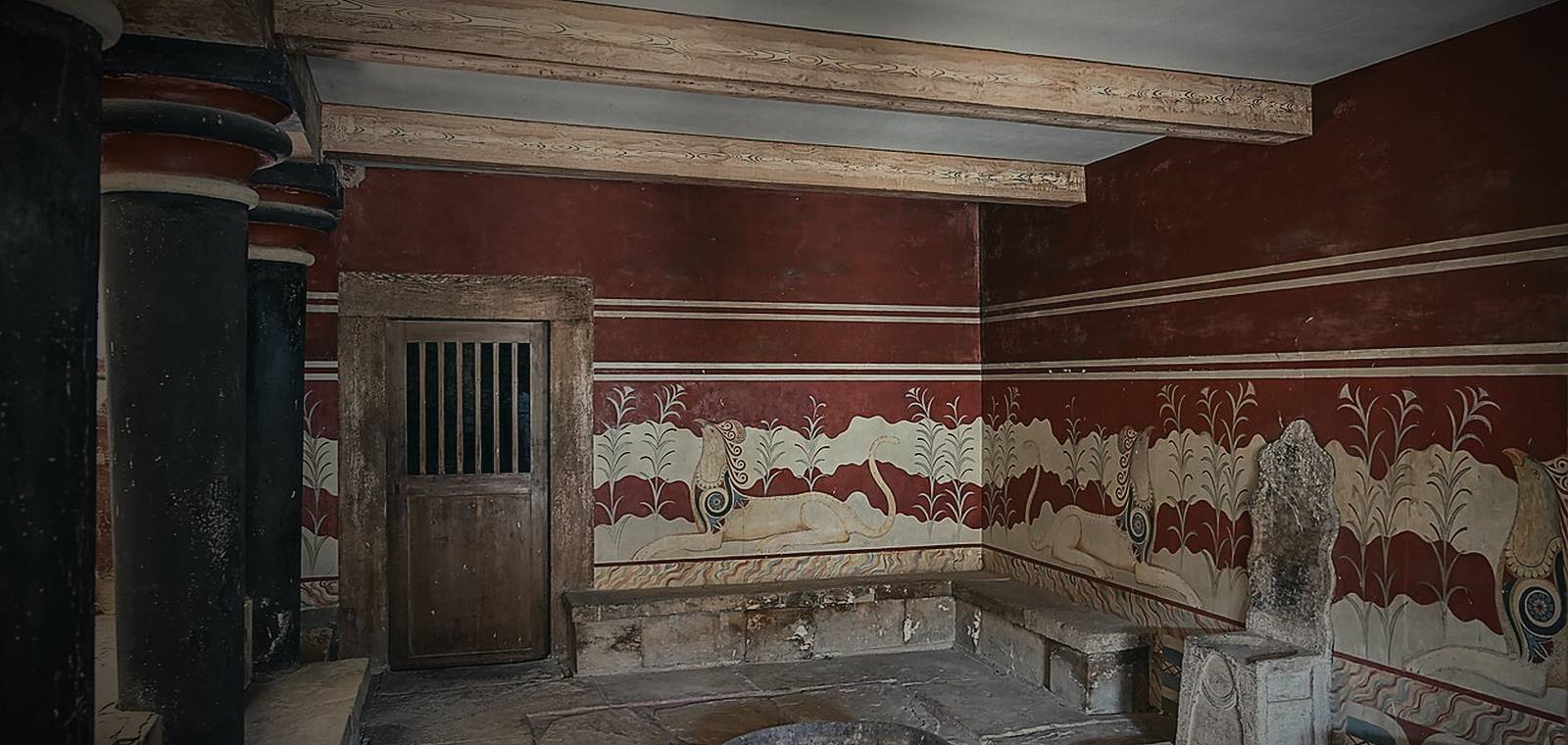
What is Minos known for?
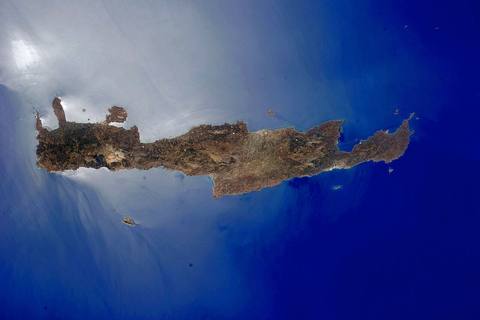
In Greek myth Minos was king of Crete, son of Zeus and the Phoenician princess Europa. With Poseidon's help he won the throne and ruled from Knossos, building a sea power that cleared the Aegean of pirates. His wife Pasiphae bore the Minotaur, which Minos kept in the Labyrinth built by the craftsman Daedalus. Athenian stories made him a tyrant who demanded young Athenians as tribute for the monster. He pursued Daedalus to Sicily and was killed there. In the underworld he became a judge of the dead.
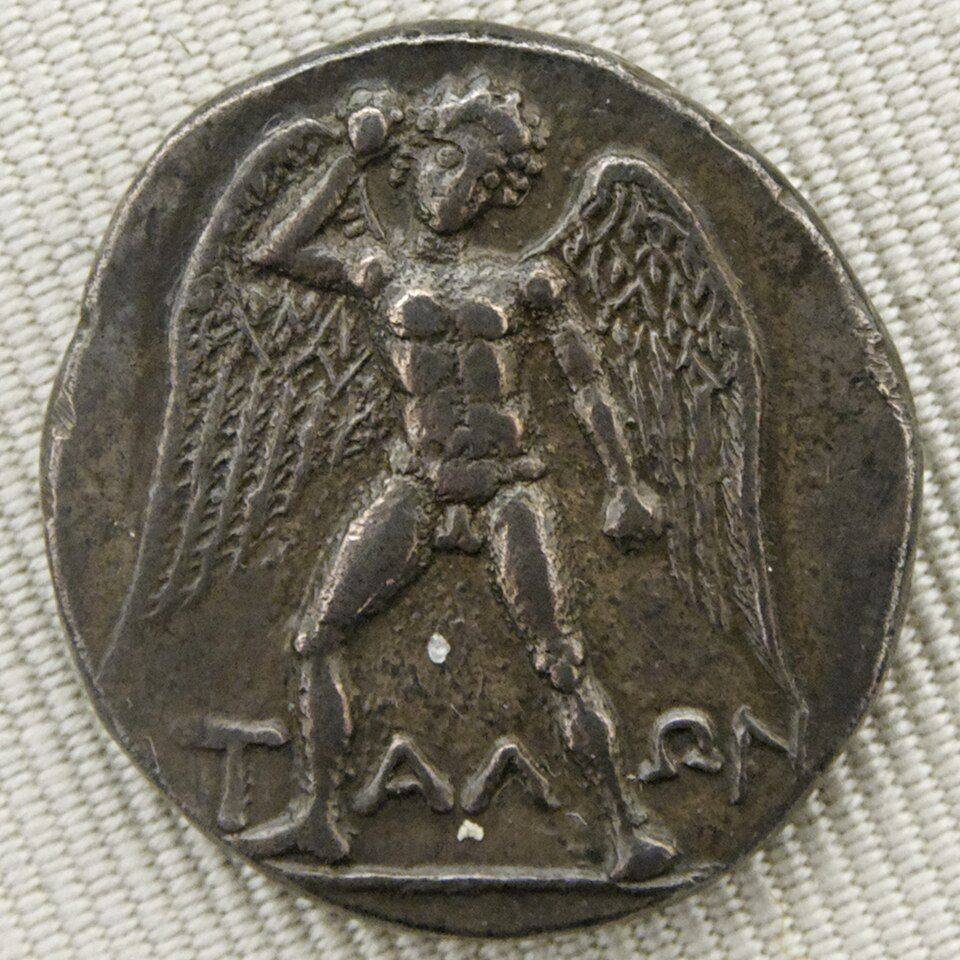
Some myths tie him to Talos, the bronze guardian of Crete: the mythographer Apollodorus says Talos was either one of the bronze race or a gift from Hephaestus to Minos.
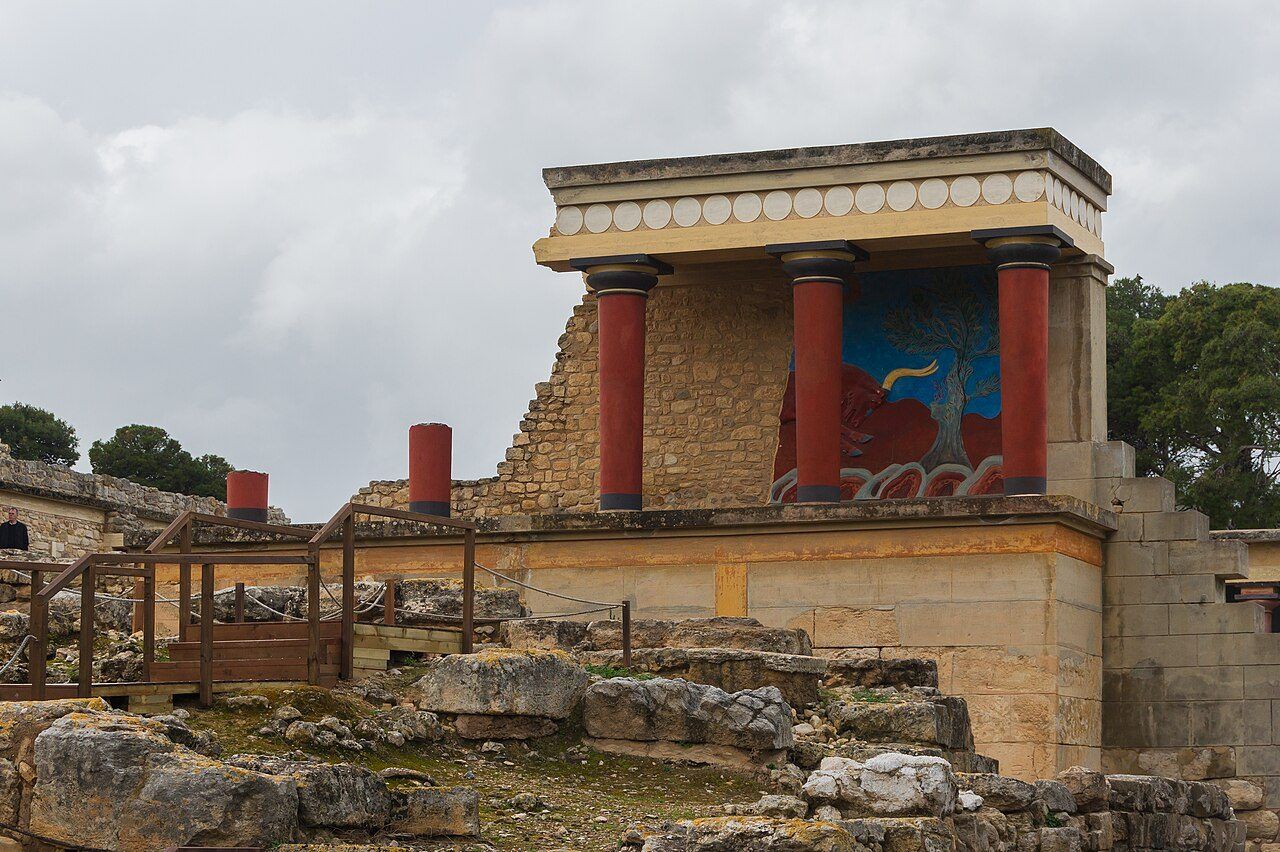
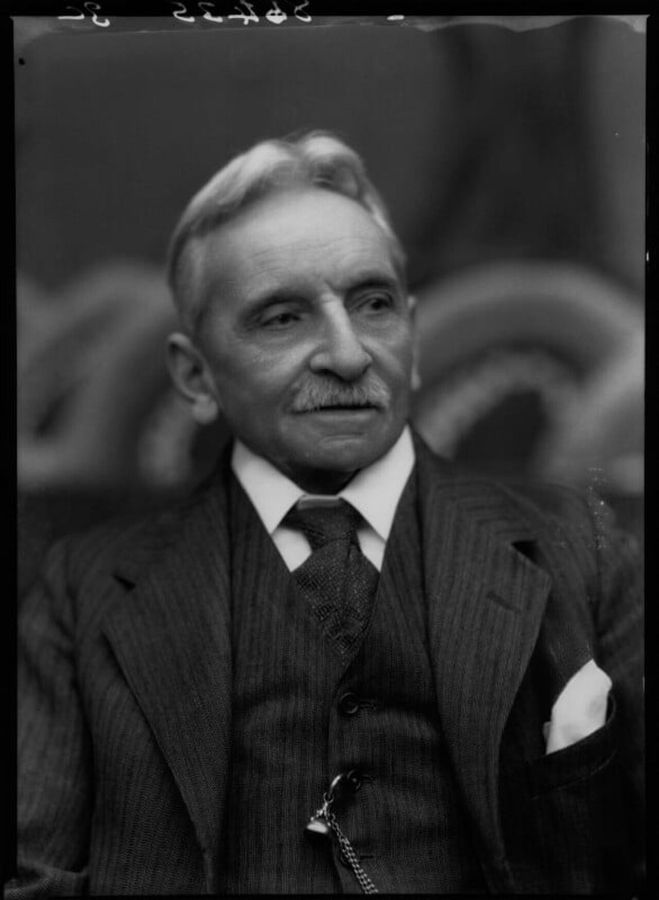
When Arthur Evans excavated Knossos from 1900, he named the Bronze Age civilization of Crete 'Minoan' after him. Scholars think 'Minos' may have been a royal title or dynastic name rather than one person; there is no record of an individual king.
Titles and honors
- Titles
- King of Crete in the myth
- Judge of the dead in the myth
The same story, told elsewhere
Shared story · Heroes and trials
A Child Offered Up: Abraham, Jephthah, Agamemnon and Harishchandra
A father is told, or promises, that he must give up his own child. Sometimes an animal is found in time and sometimes no one stops the knife, and the story is told in the Bible, the Quran, Greece, India and Viking-age Sweden.
Fénelon, The Adventures of Telemachus, Book 5 (Idomeneus' vow) is one telling. The same story is told 8 more times, in 4 parts of the world. Follow it:
- Hebrew Bible (about Moab)Kir-hareseth, Moab · c. 850 BCE · Ancient text
- Vedic IndiaNorthern India · c. 800-600 BCE · Ancient text
- Hebrew BibleGilead, east of the Jordan · c. 7th-6th century BCE · Ancient text
- Hebrew BibleJudah / Israel · 1st millennium BCE · Ancient text
- GreekAthens, Greece · 458 BCE · Ancient text
- Phoenician (in Greek)Byblos, Lebanon · c. 100 CE · Ancient text
- IslamArabia · 7th century CE · Medieval text
- Norse (Swedish legend)Uppsala, Sweden · c. 1225 CE · Medieval text
- French (Greek legend)France · 1699 · Recorded folkloreTied to this page
The open question: Do these stories remember a time when people really gave up their children, or were they told to teach that it must never happen? Join the debate
Shared story · Death and return
Sleepers Who Wake Years Later: Epimenides, Honi, the Seven Sleepers and Rip Van Winkle
A man lies down for a nap and wakes to find his brother old, his village gone and his coins worth nothing. The same story is told in Crete, Judea, Ephesus, Arabia, India, Japan, Ireland and New York.
Diogenes Laertius, Lives of Eminent Philosophers (Epimenides) is one telling. The same story is told 8 more times, in 6 parts of the world. Follow it:
- GreekCrete · c. 200-250 CE · Ancient textTied to this page
- Hindu (Puranic)India · c. 300-500 CE · Ancient text
- Jewish (Babylonian Talmud)Judea · c. 500-600 CE · Medieval text
- Christian (Seven Sleepers of Ephesus)Ephesus · c. 500 CE · Medieval text
- IslamArabia · 7th century CE · Medieval text
- IslamArabia · 7th century CE · Medieval text
- JapaneseJapan · c. 759 CE · Medieval text
- IrishIreland · c. 1750 · Early modern text
- AmericanCatskill Mountains, New York · 1819 · Recorded folklore
The open question: Is the long sleep a story people passed along from Crete to Ephesus to New York, or does every culture invent it because everyone fears coming home to a world that has moved on? Join the debate
Mentioned on these pages
- FileKnossos, the palace of the Labyrinth
- FileTalos
- PersonApollodorus (the Bibliotheca)
- PlaceCrete
Linked people and places
Where this comes from
Comes from Encyclopaedia Britannica, 'Minos'. An encyclopedia first published in Scotland in 1768 and now online. Its articles are written and checked by named experts and editors, which makes it a reliable source for basic facts.
What this means
A story or tradition. It is documented as a story; nothing independent shows it happened.
Minos is known from stories, scripture or tradition. The texts are real and we quote them (for example Encyclopaedia Britannica, 'Minos'), but nothing outside those texts shows that Minos was real as described.
The page covers something known from myths, scripture or tradition. The texts are real and we quote them, but no independent record shows the events or beings were real.
Sources
- Encyclopaedia BritannicaAn encyclopedia first published in Scotland in 1768 and now online. Its articles are written and checked by named experts and editors, which makes it a reliable source for basic facts.Encyclopaedia Britannica, 'Minos'Reference Archived copy, 2026-08-26
- WikipediaA free online encyclopedia written and edited by volunteers. It is a good starting point and usually lists its own sources, but anyone can change it, so we treat it as a guide to better sources, not the final word.Wikipedia, 'Minos'Reference Archived copy, 2026-09-19
No public-domain picture of this person yet. We do not show drawn or generated likenesses.