Credible Theories Sign in

The record

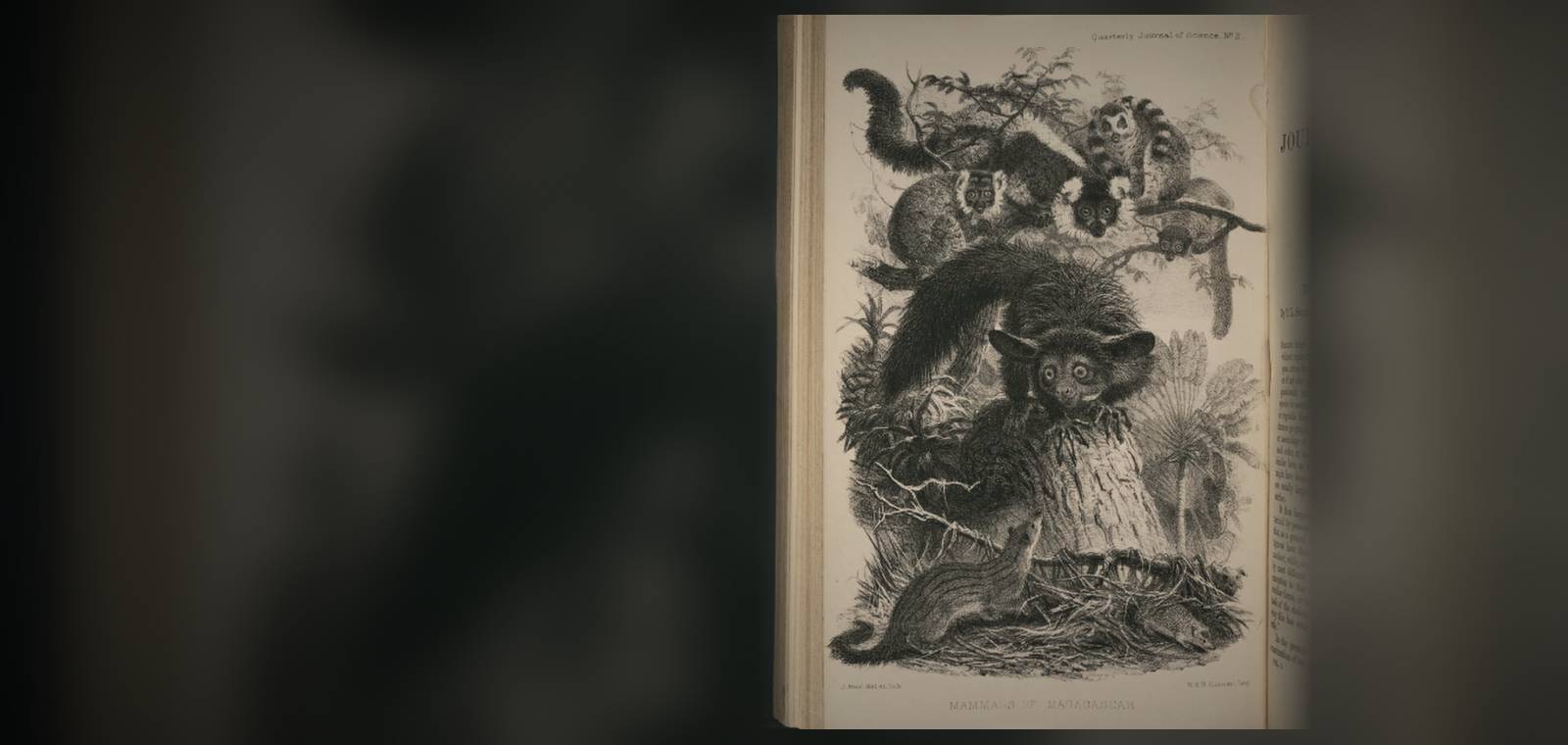
In April 1864 the zoologist Philip Lutley Sclater tried to explain a puzzle. Madagascar's mammals, the lemurs above all, formed a group so odd that he called them "anomalies", and the lemurs as a body seemed closer to some American monkeys than to the apes of the Old World. His answer was a lost land: a large continent that once stretched from the Atlantic and Indian Oceans toward India, later broken into islands. In Madagascar and the Mascarene Islands we have existing relics of this great continent, for which as the original focus of the 'Stirps Lemurum,' I should propose the name Lemuria!

In 1888 Helena Blavatsky made it something else. In The Secret Doctrine she wrote that the name was an invention, or an idea, of Mr. P. L. Sclater, and then made Lemuria the third of her great lost continents, the home of what she called the Third Race of humanity, with Atlantis as the fourth. Lemuria, she wrote, was destroyed by fire and Atlantis by water.

Science later found other answers. In 2010 Jason Ali and Matthew Huber modeled ancient ocean currents and found they flowed from Africa toward Madagascar, as needed for animals to raft across, and they highlighted evidence against a land bridge. Then in 2013 Trond Torsvik's team dated zircon grains in Mauritius lavas at more than 1,971 million years old and proposed that Mauritius sits on a sunken piece of ancient continent between Madagascar and India, which they named Mauritia.
Questions people ask about Lemuria, the continent of the lemurs

How many mammal species did Sclater count on Madagascar?

About 49 as known in 1864: 28 lemurs and their relatives, 5 carnivores, 5 bats, 1 rodent, 9 insectivores and 1 hoofed animal.

What does rafting mean for Madagascar's animals?

It is G. G. Simpson's sweepstakes idea: the ancestors of the island's mammals floated over from Africa on natural rafts. Ali and Huber found that currents ran the right way during the Palaeogene.

How old are the Mauritius zircons?

Torsvik's team found two groups: Palaeoproterozoic grains more than 1,971 million years old and Neoproterozoic grains between 660 and 840 million years old.

The open question

Still strange: The continent invented for lemurs.

An occult writer turned it into a homeland of lost races, and in 2013 geologists proposed a real sunken fragment of ancient continent under Mauritius.

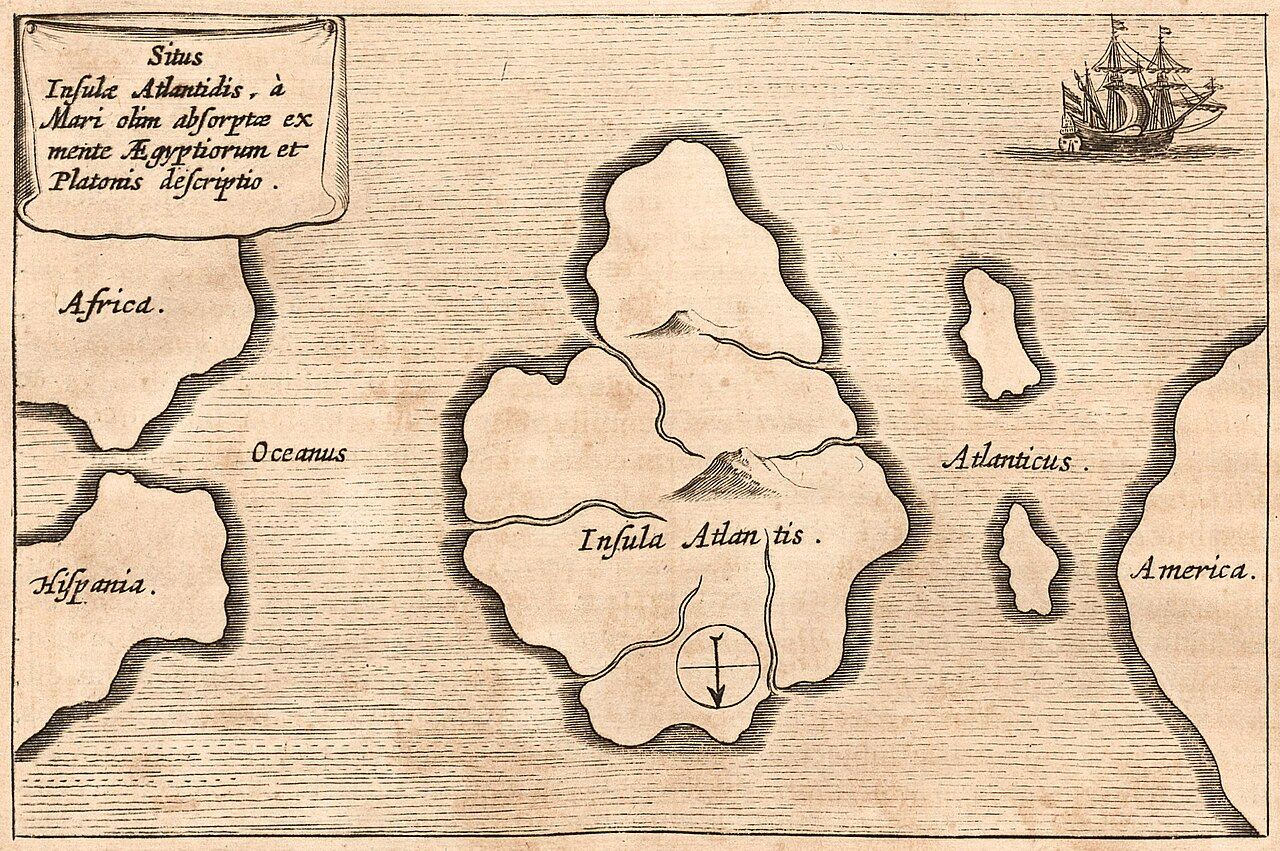
Atlantis: Is Plato's Sunken Island Real or a Myth? →
  1. Step 1 of 4 · This fileLemuria, the continent of the lemurs
  2. Step 2 of 4 · Next fileAtlantis: Is Plato's Sunken Island Real or a Myth?
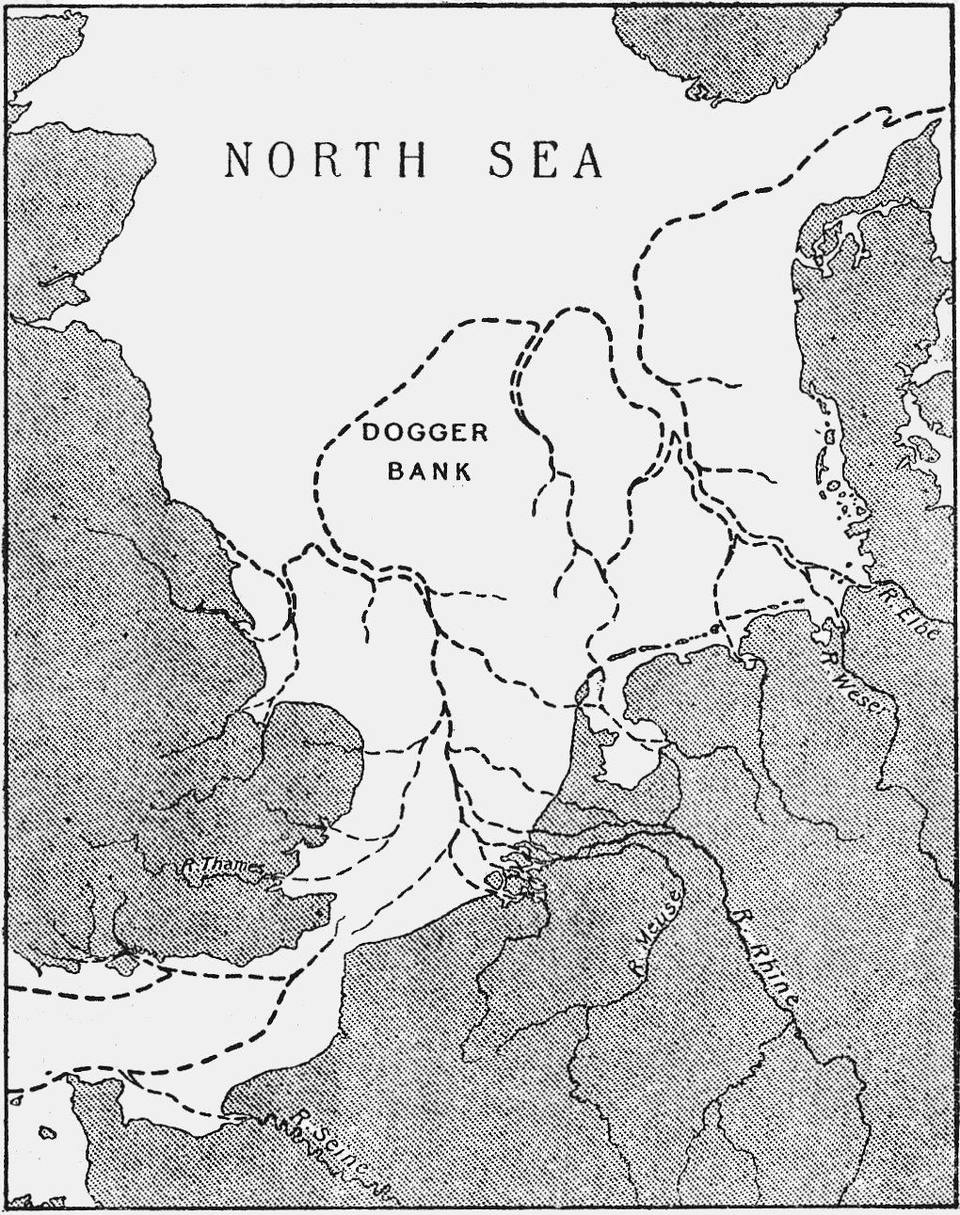
  3. Step 3 of 4 · Next fileDoggerland: The Real Lost Land Beneath the North Sea
  4. Step 4 of 4 · Next fileThe Younger Dryas: What Caused the Big Freeze 12,900 Years Ago?
About these videos

Found by a YouTube search for this topic, not checked by us. The player loads from YouTube only when you press play.

Where this comes from

EvidenceSpeculation

Comes from Philip Lutley Sclater, "The Mammals of Madagascar", The Quarterly Journal of Science 1…. A research article: An article written by a researcher and published in a scholarly journal or book. Most such journals have other experts check a paper before it is printed, so it carries more weight than a news story, though later studies can still change the picture.

What this means

A sunken continent proposed in 1864 to explain Madagascar's animals; later studies explain them by rafting, and only a small sunken fragment, Mauritia, has been proposed.

For Lemuria, the continent of the lemurs, the idea goes beyond what the evidence shows. We cover it because people ask about it. The main problem: Even Blavatsky noted that Alfred Russel Wallace found the hypothesis "quite uncalled for on the alleged zoological grounds".

An idea or reading that goes beyond what the evidence shows. We include it because people ask about it, and we mark it so it never gets mixed in with the record.

See all five labels

Sources

  1. A research articleAn article written by a researcher and published in a scholarly journal or book. Most such journals have other experts check a paper before it is printed, so it carries more weight than a news story, though later studies can still change the picture.Philip Lutley Sclater, "The Mammals of Madagascar", The Quarterly Journal of Science 1, no. 2 (April 1864), pp. 213-219Primary text
  2. Internet ArchiveA nonprofit digital library in San Francisco, founded in 1996, that holds millions of scanned books, papers and recordings. A scan there shows the pages of a real printed book or document.H. P. Blavatsky, The Secret Doctrine, vol. 2, Anthropogenesis (London: Theosophical Publishing Company, 1888)Primary text
  3. A research articleJason R. Ali and Matthew Huber, "Mammalian biodiversity on Madagascar controlled by ocean currents", Nature 463 (2010), pp. 653-656Primary text
  4. DOI link to a research paperA DOI is a permanent ID number for a published research paper or book. The link takes you to the paper on its publisher's website, even if that site moves. The paper itself is what we cite.Trond H. Torsvik and others, "A Precambrian microcontinent in the Indian Ocean", Nature Geoscience 6 (2013), pp. 223-227Primary text

Quotations come from public-domain translations. A book in our Library links to its Library page; other links open the free online copy or the reference page.

Updated

Credible or not?

Tap one to see how other readers voted.

Discussion