The record
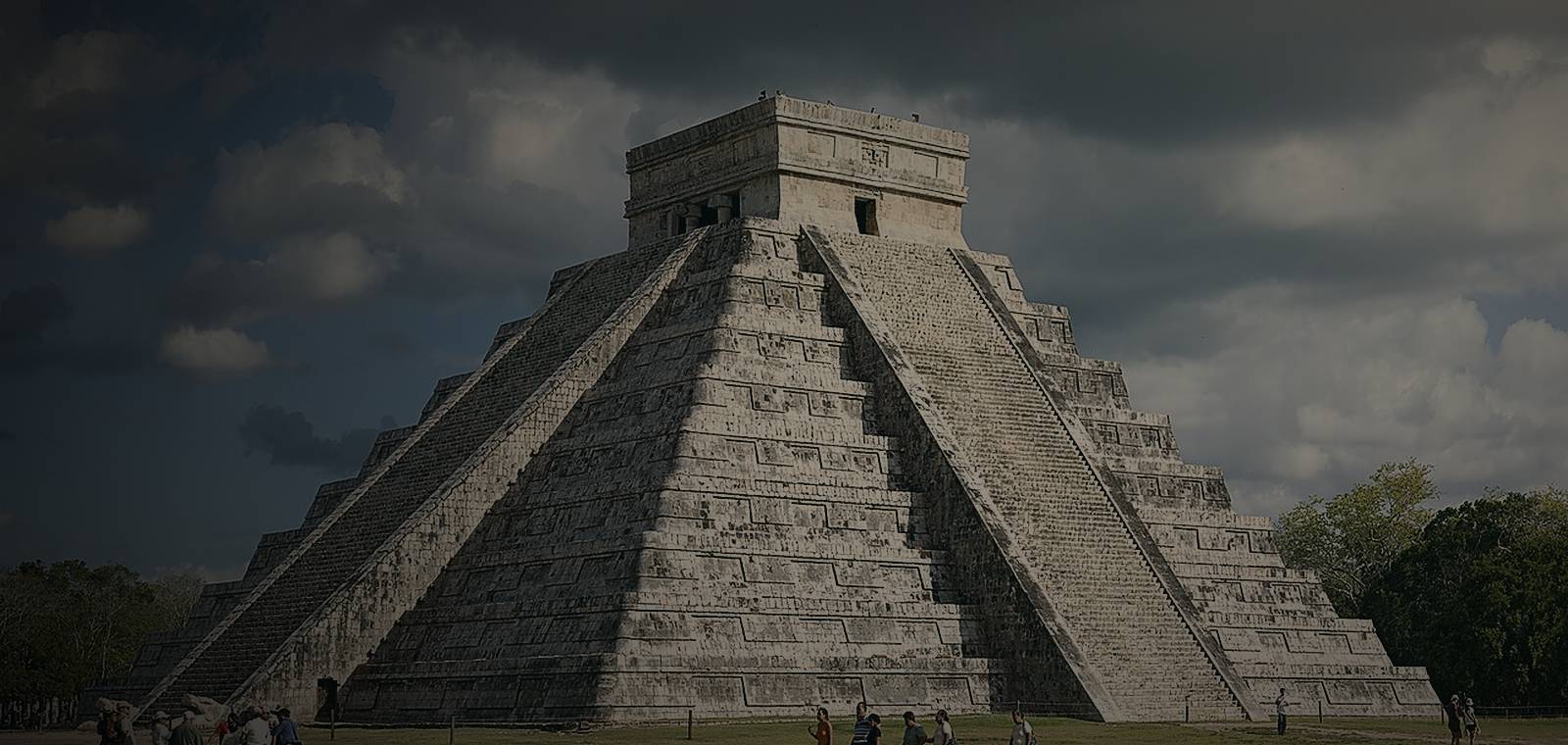
Chichen Itza is the ruined city in Mexico's Yucatan peninsula best known for its great stepped pyramid, El Castillo, also called the Temple of Kukulkan. UNESCO says the town was established during the Classic period close to two natural cavities, the cenotes, which gave access to underground water in a dry land. It describes Chichen Itza as a place where the Maya and Toltec vision of the world and the universe is revealed in stone monuments and artistic works.
The name itself is about water. The American traveler John Lloyd Stephens, who explored the ruins in 1842 with the artist Frederick Catherwood, explained that it is made of two Maya words, chi, mouth, and chen, well: the mouth of the well. He saw two great cenotes among the ruins.
Stephens measured the Castillo. He gave its base as about 197 by 202 feet and its height as seventy-five feet, solid from the plain. Its north stairway was forty-four feet wide with ninety steps, and at its foot lay two colossal serpents' heads, ten feet long, with mouths wide open and tongues out. He noticed something odd: the building does not face the compass points exactly, though probably so intended.
Today the pyramid draws its largest crowds at the spring and autumn equinoxes. Mexico's national institute of anthropology, INAH, describes how the sun casts the pyramid's shadow onto the north-west ramp of the stairway, leaving triangular spaces of light. The pyramid, INAH notes, has nine tiers and a shrine on its summit.