The record
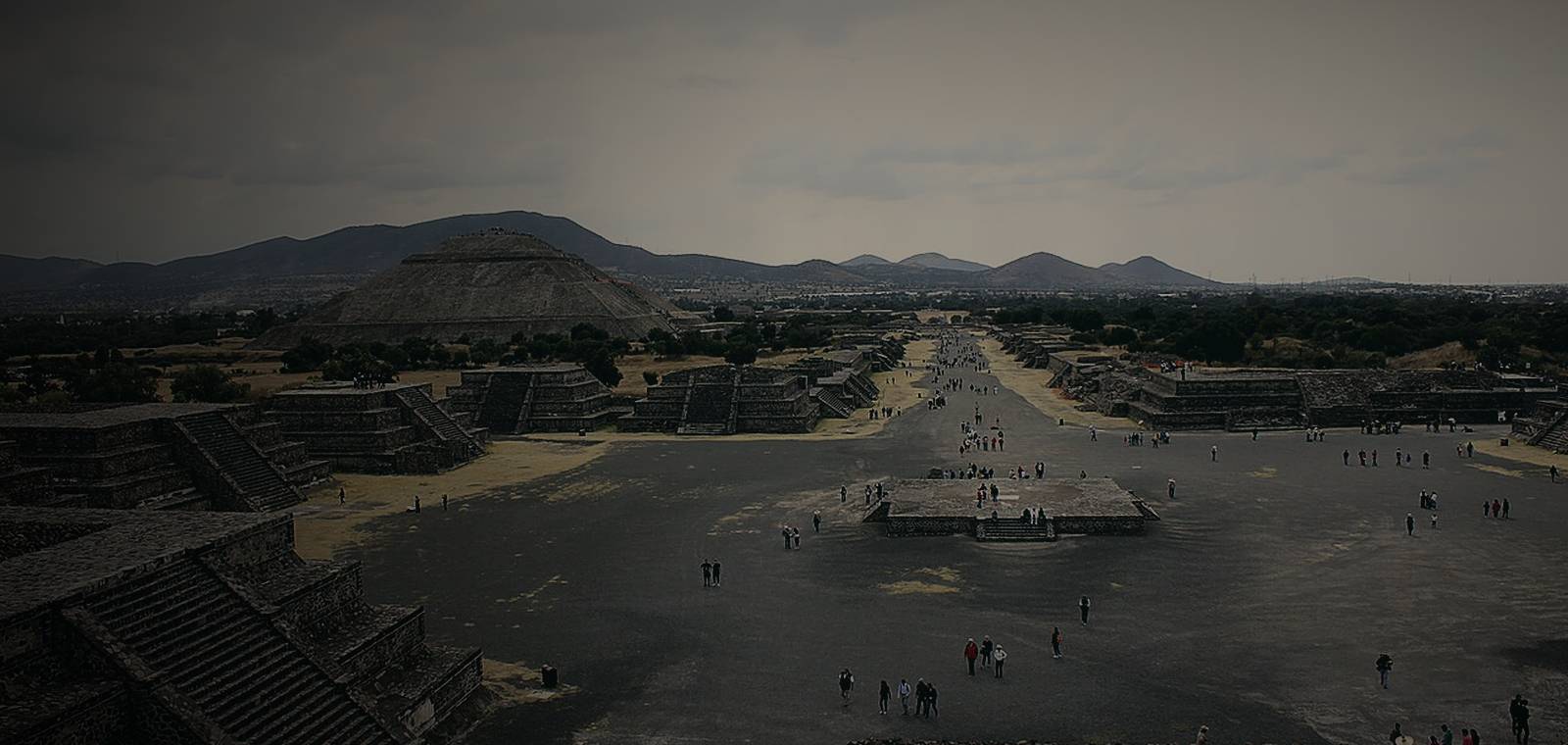
Teotihuacan is the ruin of a great city about 50 kilometers northeast of Mexico City. UNESCO says it was built between the 1st and 7th centuries A.D.
and covers some 36 square kilometers, laid out along a broad street known as the Avenue of the Dead, with the Pyramid of the Sun and the Pyramid of the Moon among its monuments. Its builders left no readable writing, so no one knows what they called their city or themselves. The name Teotihuacan comes from the Aztecs, who found it already in ruins and called it, UNESCO says, the place where the gods were created.
Some of its strangest finds lie underground. A tunnel beneath the Pyramid of the Sun has been known since 1971. Another runs under the Temple of the Feathered Serpent. In 2015 the archaeologist Sergio Gómez of Mexico's National Institute of Anthropology and History reported finding liquid mercury in that tunnel, which Archaeology magazine said had been sealed for 1,800 years.
A 2024 study in the journal Ancient Mesoamerica says the investigators found a cluster of mounds surrounded by pools of liquid mercury
there, a shining, mirror-like substance. Jade figures, pyrite mirrors and metallic spheres were found in the same tunnel.
The same pyramid was the scene of what the 2024 study calls a historically large human sacrifice of more than 200 individuals.
Its author argues that Teotihuacan's people prized mirrors, obsidian and reflective things, and linked them to blood. Why the city declined, after six centuries, is still debated.