












What are Tower of Babel and Etemenanki known for?
In Genesis 11, people in the land of Shinar build a city and a tower 'whose top may reach unto heaven'. God confuses their language and scatters them, and the city is called Babel. Later Jewish tradition, including Josephus, made Nimrod the builder who wanted a tower too high for any flood to reach.
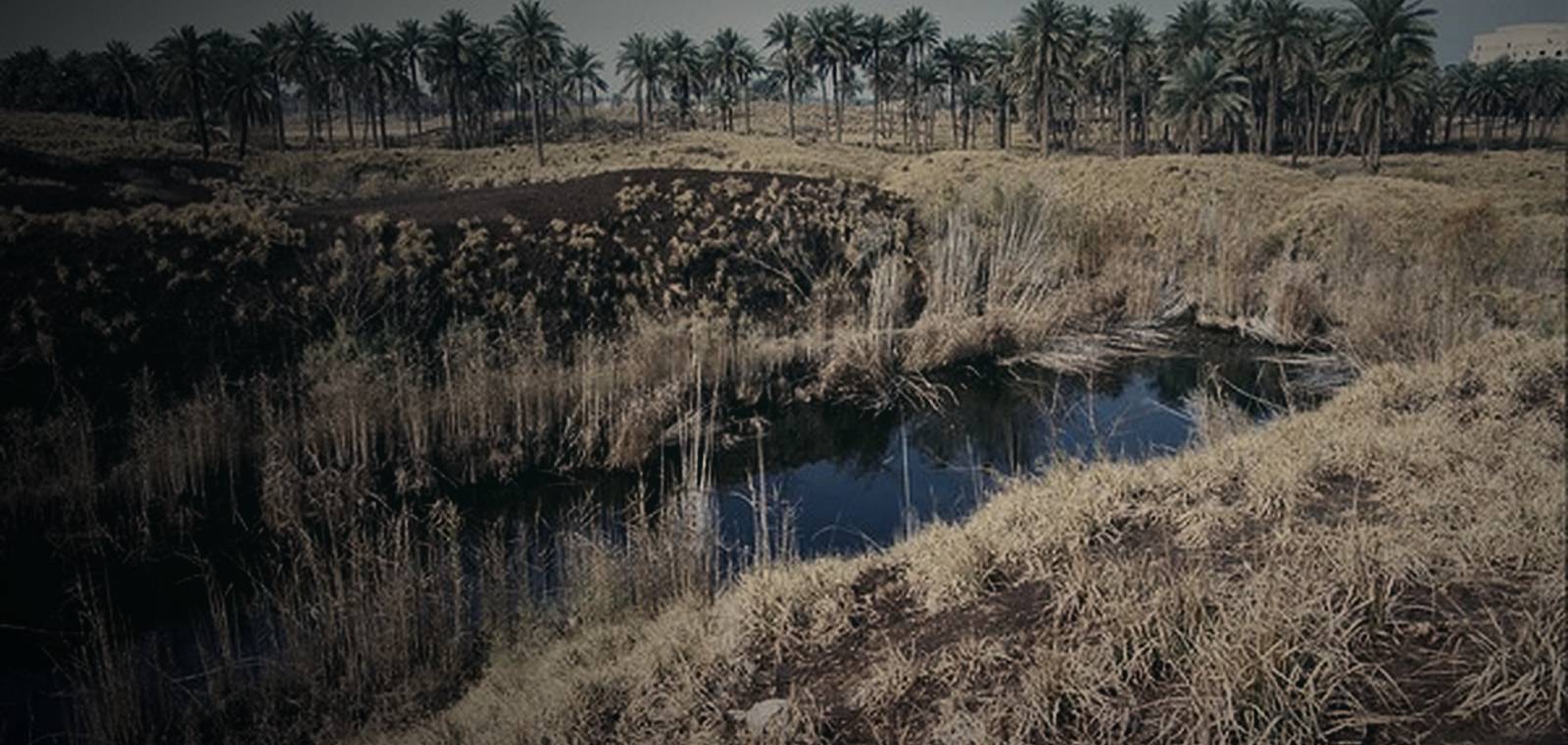
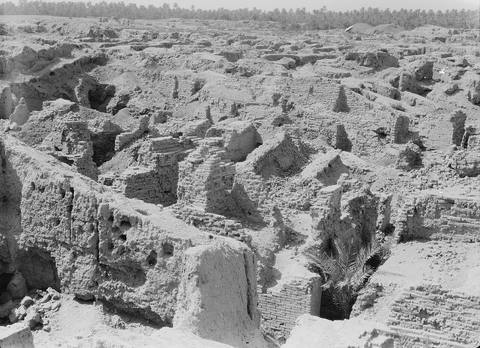
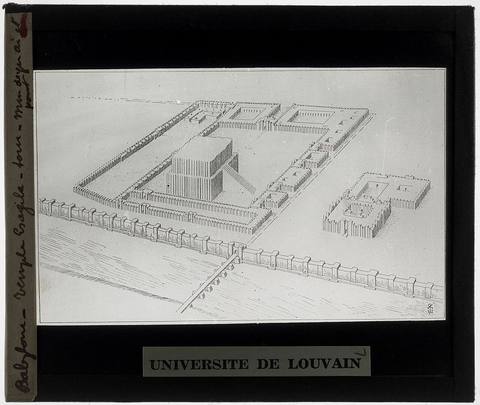
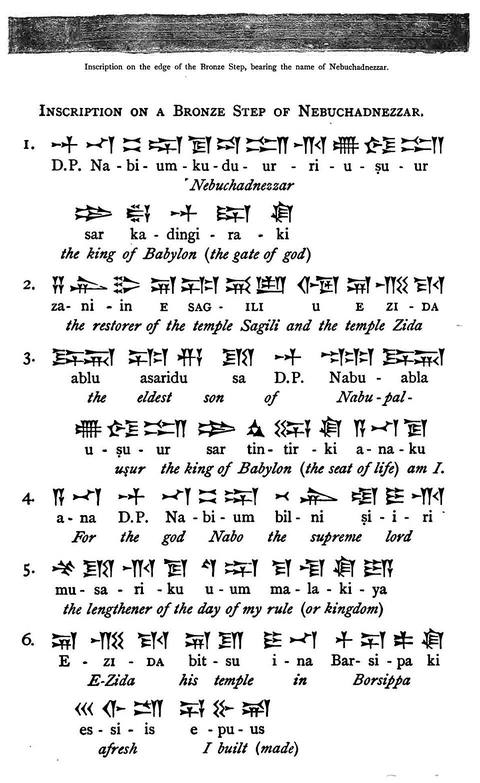
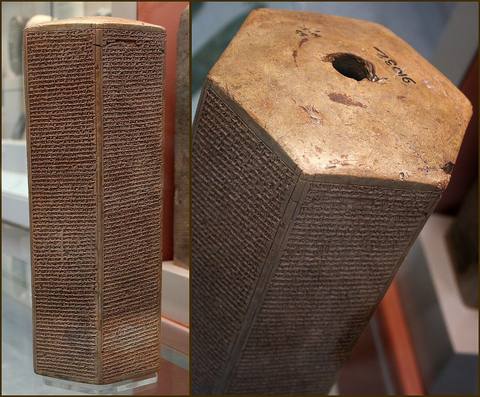
Many scholars connect the story with Etemenanki, the great ziggurat of Marduk in Babylon, whose Sumerian name means 'temple of the foundation of heaven and earth'. It stood beside the Esagila temple. After the Assyrian king Sennacherib sacked Babylon in 689 BCE, it was rebuilt over decades and finished by Nebuchadnezzar II. A cuneiform tablet gives its base as about 91 meters square; its real height is debated.
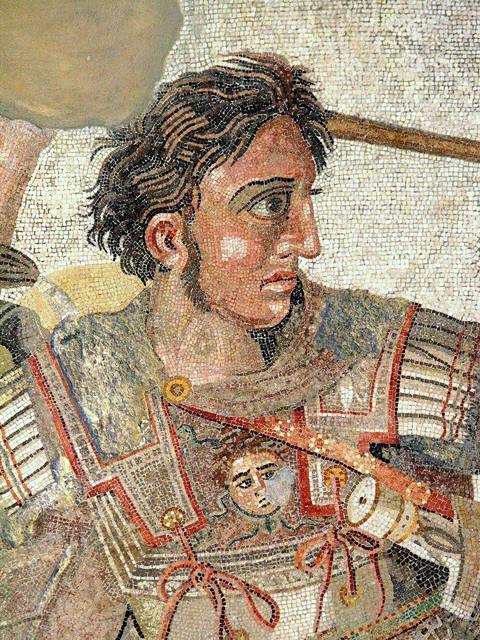
Alexander the Great ordered it cleared for rebuilding, but he died in 323 BCE and it was never restored. Today only the outline of its foundation remains in the ruins of Babylon.
The same story, told elsewhere
Shared story · Floods and lost lands
Towers to Heaven
Babel is the famous one, but Babylonians, Greeks, the Quran, Mexico, China and the Zambezi all tell of people trying to build or climb their way up to the gods, and failing.
Genesis 11 (Babel) and Book of Jubilees and Fragment 'Of the Tower of Babel', preserved by Eusebius are tellings. The same story is told 5 more times, in 5 parts of the world. Follow it:
- GreekIonia / Greece · c. 8th to 7th century BCE · Ancient text
- Hebrew BibleBabylon · c. 600-400 BCE · Ancient textTied to this page
- ChineseChina · 1st millennium BCE · Ancient text
- Jewish (Second Temple)Judea · c. 160-150 BCE · Ancient textTied to this page
- Babylonian / Greek (Abydenus, after Berossus)Babylon · c. 2nd century CE · Ancient textTied to this page
- IslamArabia · 7th century CE · Medieval text
- Aztec / Nahua (Cholula)Cholula, central Mexico · c. 1566 · Recorded folklore
- Lozi (A-Louyi), Upper ZambeziUpper Zambezi · 1901 · Recorded folklore
The open question: Is the tower story about one real building, about pride, or about why people speak different languages? Join the debate
Mentioned on these pages
- FileHarut and Marut
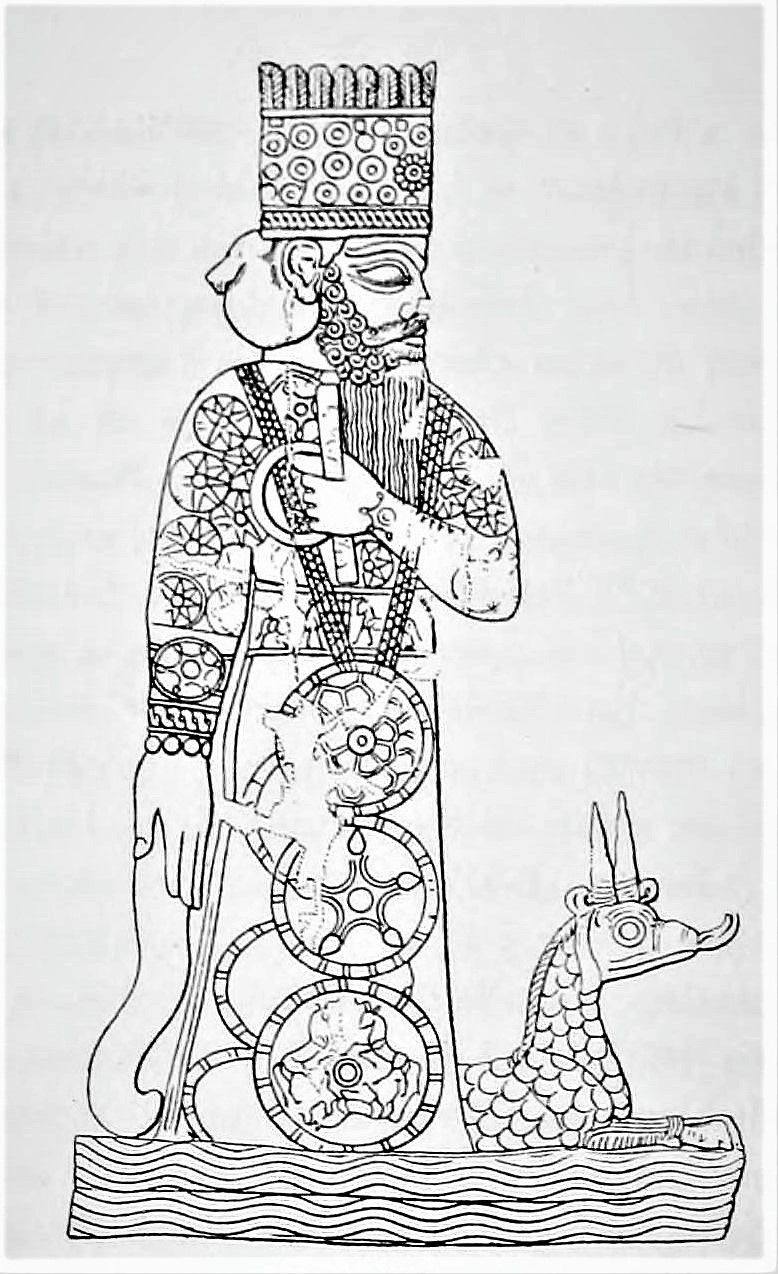
- FileMarduk
- FileNimrod
- ChapterOne History 10: The watch
- ChapterOne History 6: The defection
- ChapterOne History 9: The division
- PassageBabel: 'let us go down' (Genesis 11:4–7)
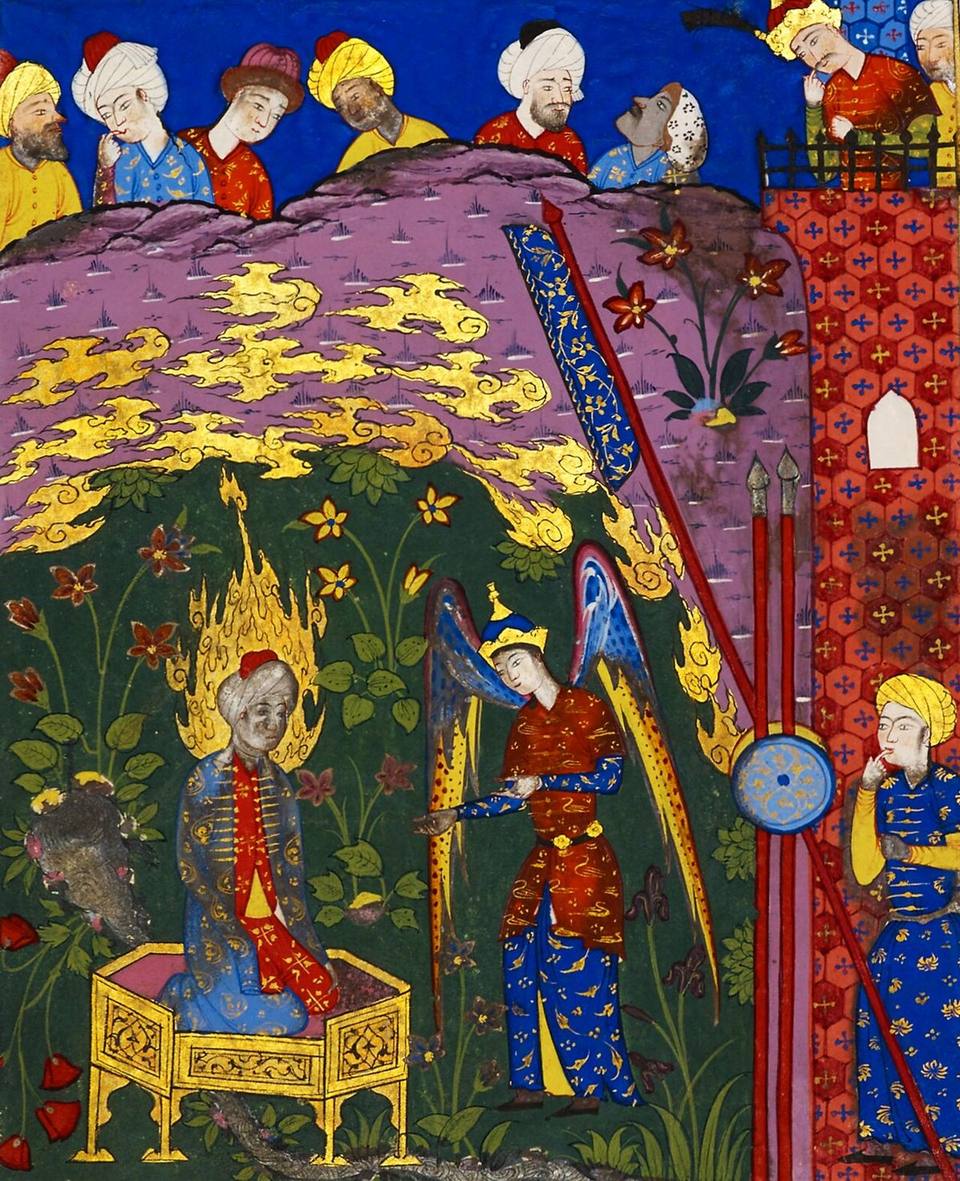
- PassageHarut and Marut at Babylon (Surah 2:102)
- PassageNimrod, the mighty one (Genesis 10:8–10)
- PersonCush
- PersonNebuchadnezzar II
- PersonShem
- PersonTukulti-Ninurta I
- PlaceBabylon
- PlaceEsagila
Linked people and places
Where this comes from
Comes from Genesis 11 (KJV), Bible Gateway. The Book of Genesis: The first book of the Bible, telling of Creation, Adam and Eve, Noah's Flood and the families of Abraham, Isaac and Jacob. Scholars think it was written and edited over several centuries and finished by roughly 500 to 400 BC. The oldest surviving copies are pieces of the Dead Sea Scrolls.
What this means
A real place with records. Sources are listed below.
For Tower of Babel and Etemenanki, the original record exists and is linked: Genesis 11 (KJV), Bible Gateway. That tells you the record is real and what it says. It does not mean every claim in it is true.
Primary records exist: an original document, a published text, an official file or a dated report. We link to them. This level says the record exists and what it says, not that every claim in it is true.
Sources
- WikipediaA free online encyclopedia written and edited by volunteers. It is a good starting point and usually lists its own sources, but anyone can change it, so we treat it as a guide to better sources, not the final word.Wikipedia, 'Etemenanki'Reference Archived copy, 2026-09-13
- The Book of GenesisThe first book of the Bible, telling of Creation, Adam and Eve, Noah's Flood and the families of Abraham, Isaac and Jacob. Scholars think it was written and edited over several centuries and finished by roughly 500 to 400 BC. The oldest surviving copies are pieces of the Dead Sea Scrolls.Genesis 11 (KJV), Bible Gateway Online copyPrimary text Archived copy, 2026-07-10
- LiviusA free website on ancient history run by Jona Lendering, a Dutch historian, with articles and translated sources. It is careful and well referenced, but it is one person's site.Livius, 'Babylon, Esagila'Reference Archived copy, 2026-08-19