Credible Theories Sign in

The record

The Greek writers tell of three kinds of Cyclopes. In Hesiod's Theogony, Earth bore three of them, Brontes, Steropes and Arges, who gave Zeus the thunder and made the thunderbolt. Hesiod explains the name: they were surnamed Cyclopes (Orb-eyed) because one orbed eye was set in their foreheads.

In the Odyssey they are shepherds. Odysseus tells of the land of the lawless and inhuman Cyclopes, who neither plant nor plough, have no laws or assemblies and live in caves on mountain tops. They have no ships either, so the fertile island off their coast lies empty but for goats. Odysseus and his men are trapped in the cave of Polyphemus, who eats several of them. Odysseus gives his name as Noman, gets the giant drunk, and with four men drives a heated beam into the monster's eye.

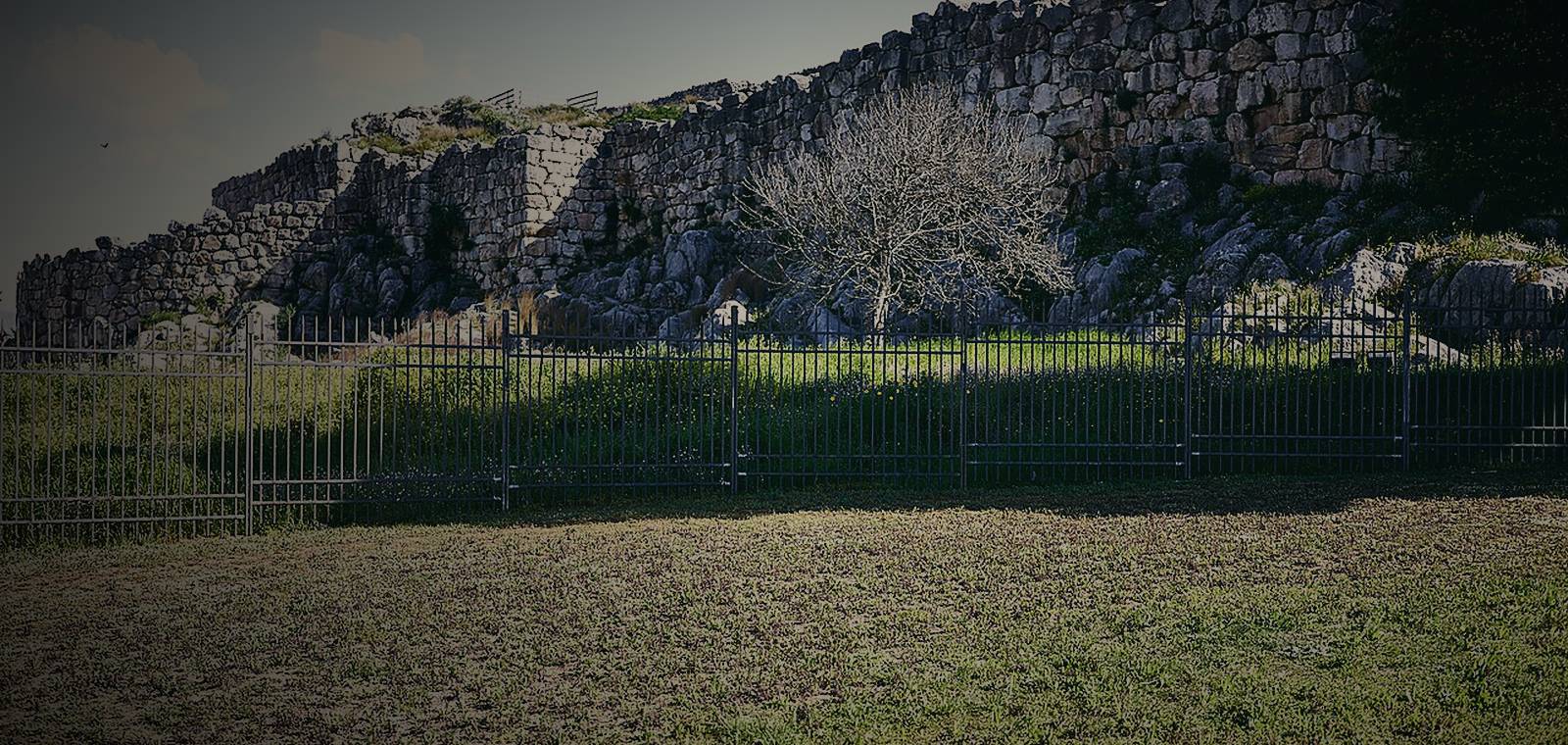
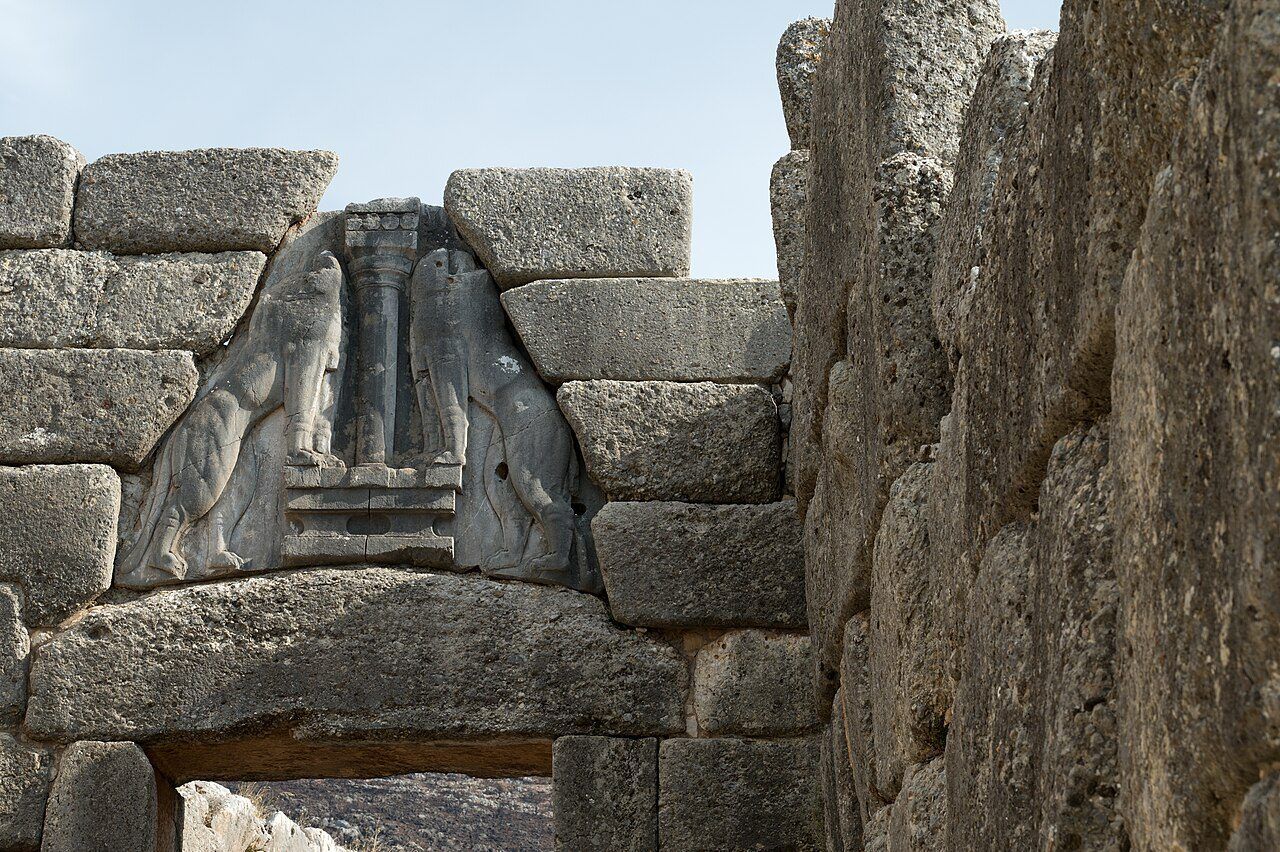
The third kind built walls. Pausanias saw the ruins of Tiryns and wrote that its wall is a work of the Cyclopes made of unwrought stones, each stone being so big that a pair of mules could not move the smallest from its place to the slightest degree. Strabo names the builders: King Proetus walled Tiryns with the help of seven Cyclopes, invited from Lycia and nicknamed Bellyhands because they got their food from their handicraft. He adds that the caverns near Nauplia were called Cyclopeian after them.
Questions people ask about The Cyclopes

What were Hesiod's three Cyclopes called?

Brontes, Steropes and Arges. The translator Evelyn-White renders the names as the Thunderer, the Lightener and the Vivid One.

Why did the Phaeacians move away from the Cyclopes?

The Odyssey says they once lived in Hypereia near the lawless Cyclopes, who were stronger and plundered them, so their king Nausithous moved them to Scheria, far from other people.

What name did Odysseus give Polyphemus?

He said his name was Noman. The giant answered that he would eat Noman last, as his present to him, then fell into a drunken sleep.

The open question

Still strange: The giants who built walls.

Strabo even gives the builders' number and nickname: seven Cyclopes from Lycia called Bellyhands, who worked for their food.

Mycenae and the gold of Agamemnon →
  1. Step 1 of 4 · This fileThe Cyclopes
  2. Step 2 of 4 · The longer textHesiod, the Homeric Hymns, and Homerica
  3. Step 3 of 4 · Next fileMycenae and the gold of Agamemnon
  4. Step 4 of 4 · Next fileTalos: The Bronze Giant Who Guarded Crete
About these videos

Found by a YouTube search for this topic, not checked by us. The player loads from YouTube only when you press play.

Where this comes from

EvidenceMyth or legend

Comes from Hesiod, Theogony 139-146, in Hesiod, the Homeric Hymns and Homerica, trans. Hugh G…. Hesiod's Theogony: A Greek poem by Hesiod, a farmer and poet from central Greece, written about 700 BC. It tells how the world and the gods came to be, including the war in which Zeus and the Olympian gods threw the older Titans down into Tartarus.

What this means

A story or tradition. It is documented as a story; nothing independent shows it happened.

The Cyclopes is known from stories, scripture or tradition. The texts are real and we quote them (for example Hesiod, Theogony 139-146, in Hesiod, the Homeric Hymns and Homerica, trans. Hugh G…), but nothing outside those texts shows that The Cyclopes was real as described.

The page covers something known from myths, scripture or tradition. The texts are real and we quote them, but no independent record shows the events or beings were real.

See all five labels

Sources

  1. Hesiod's TheogonyA Greek poem by Hesiod, a farmer and poet from central Greece, written about 700 BC. It tells how the world and the gods came to be, including the war in which Zeus and the Olympian gods threw the older Titans down into Tartarus.Hesiod, Theogony 139-146, in Hesiod, the Homeric Hymns and Homerica, trans. Hugh G. Evelyn-White (Loeb Classical Library, 1914), Project Gutenberg ebook 348Primary text Archived copy, 2026-09-23
  2. Homer's OdysseyThe Greek epic poem about the hero Odysseus's ten-year voyage home from the Trojan War, credited to Homer and probably composed around 700 BC. It includes gold and silver watchdogs made by the god Hephaestus. Samuel Butler's English version came out in 1900.Homer, Odyssey 9, trans. Samuel Butler (1900), Project Gutenberg ebook 1727Primary text Archived copy, 2026-09-25
  3. Geography, by StraboA 17-book description of the lands and peoples of the known world by Strabo, a Greek geographer, finished around AD 20 to 25. It includes an account of the city of Helike sinking in 373 BC.Strabo, Geography 8.6.11, trans. H. L. Jones (Loeb Classical Library, 1927), LacusCurtiusPrimary text
  4. Description of Greece, by PausaniasA ten-book guide to the places, temples and legends of Greece, written by the traveler Pausanias in the AD 100s. It describes what could still be seen of the sunken city of Helike in his day. W. H. S. Jones's English version came out from 1918.Pausanias, Description of Greece 2.25.8, trans. W. H. S. Jones and H. A. Ormerod (Loeb Classical Library, 1918), Perseus Digital LibraryPrimary text

Quotations come from public-domain translations. A book in our Library links to its Library page; other links open the free online copy or the reference page.

Updated

Credible or not?

Tap one to see how other readers voted.

Discussion