













What is R. H. Charles known for?
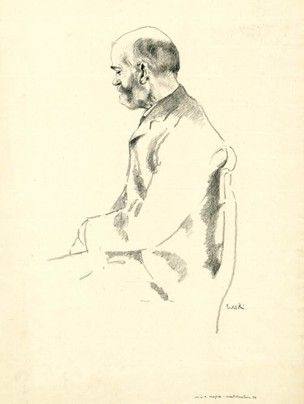
Robert Henry Charles was an Irish-born biblical scholar and Church of England clergyman who specialised in Jewish writings from the Second Temple period, the centuries just before and after the time of Jesus. He taught biblical Greek at Trinity College Dublin, became a Fellow of the British Academy in 1906 and a Fellow of Merton College, Oxford in 1910, and served as Archdeacon of Westminster from 1919 until his death in 1931. He is buried in Westminster Abbey.
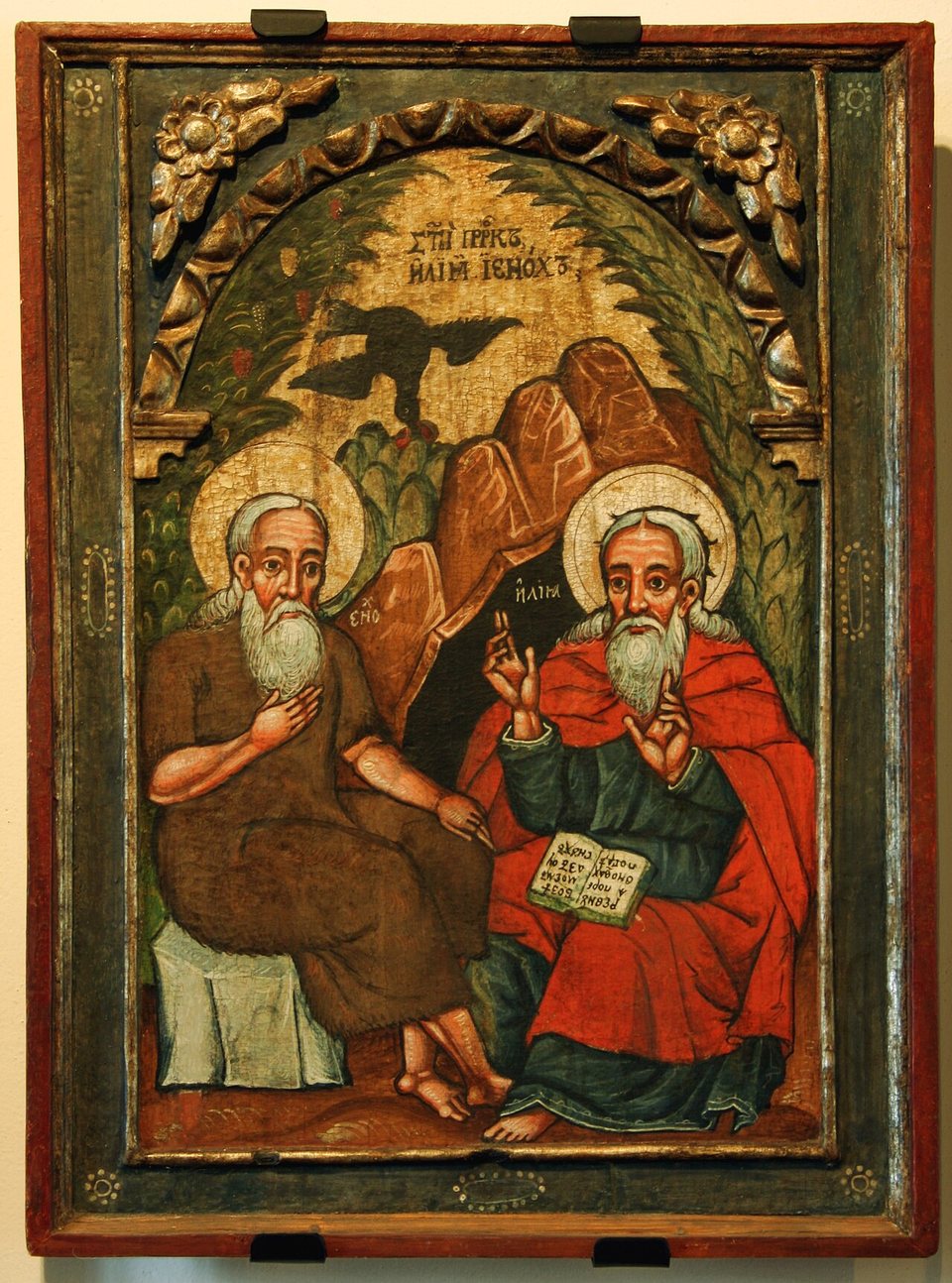
Charles translated and edited a long list of texts that were outside the Bible but widely read in antiquity: the Book of Enoch (1893, revised 1912), the Ethiopic Book of Jubilees (1895), 2 Baruch (1896) and the Ascension of Isaiah (1900). With the Slavonic specialist W. R. Morfill he produced the first English version of 2 Enoch (1896). His two-volume Apocrypha and Pseudepigrapha of the Old Testament (1913) gathered these works in one place.
His translations are now in the public domain, which is why they appear on free archives such as sacred-texts.com and are quoted across the internet. Modern scholars have newer editions based on more manuscripts, including the Aramaic fragments found at Qumran, but Charles's wording remains the most familiar English text of the Watchers story.
Titles and honors
- Offices held
- Archdeacon of Westminster 1919-1931
- Fellow of Merton College, Oxford 1910
- Medals and honors
- Fellow of the British Academy 1906
The same story, told elsewhere
Shared story · Beginnings
Giants and the Races Before Us
Genesis has the Nephilim, Greece has the Giants, the North has the frost giants, Arabia has the tall people of 'Ad and the Maya have Zipacna, who piled up mountains. Why does almost everyone remember giants?
1 Enoch, Book of the Watchers is one telling. The same story is told 7 more times, in 4 parts of the world. Follow it:
- Hebrew BibleCanaan · c. 700-400 BCE · Ancient text
- GreekBoeotia, Greece · c. 700 BCE · Ancient text
- Hebrew BibleJudah · c. 600-400 BCE · Ancient text
- Jewish apocalyptic (Second Temple)Judea · c. 300-200 BCE · Ancient textTied to this page
- GreekGreece · 1st or 2nd century CE · Ancient text
- IslamSouthern Arabia · 7th century CE · Medieval text
- NorseIceland · c. 1220 CE · Medieval text
- K'iche' MayaHighland Guatemala · c. 1554-1558 · Retold in English
The open question: Real bones dug up and explained, a memory of older peoples, or something else that made giants a story almost everywhere? Join the debate
Shared story · Beginnings
Beings Who Taught Humanity the Arts
Fallen angels taught metalwork and makeup, a fish-man from the sea taught writing and law, Prometheus gave fire and numbers, and Thoth invented letters. Many cultures say civilization was a gift from outside.
1 Enoch, Book of the Watchers and Book of Jubilees are two tellings. The same story is told 5 more times, in 4 parts of the world. Follow it:
- GreekAthens · c. 460-430 BCE · Ancient text
- Greek, about EgyptAthens, telling an Egyptian story · c. 370 BCE · Ancient text
- ChineseChina · c. 4th to 3rd century BCE · Ancient text
- Jewish apocalyptic (Second Temple)Judea · c. 300-200 BCE · Ancient textTied to this page
- Babylonian, retold in GreekBabylon · c. 280 BCE · Ancient text
- Jewish (Second Temple)Judea · c. 160-150 BCE · Ancient textTied to this page
- IslamArabia · 7th century CE · Medieval text
The open question: Did people credit outsiders for their own inventions, or is there a reason so many say they were taught? Join the debate
Shared story · Floods and lost lands
Towers to Heaven
Babel is the famous one, but Babylonians, Greeks, the Quran, Mexico, China and the Zambezi all tell of people trying to build or climb their way up to the gods, and failing.
Book of Jubilees is one telling. The same story is told 7 more times, in 5 parts of the world. Follow it:
- GreekIonia / Greece · c. 8th to 7th century BCE · Ancient text
- Hebrew BibleBabylon · c. 600-400 BCE · Ancient text
- ChineseChina · 1st millennium BCE · Ancient text
- Jewish (Second Temple)Judea · c. 160-150 BCE · Ancient textTied to this page
- Babylonian / Greek (Abydenus, after Berossus)Babylon · c. 2nd century CE · Ancient text
- IslamArabia · 7th century CE · Medieval text
- Aztec / Nahua (Cholula)Cholula, central Mexico · c. 1566 · Recorded folklore
- Lozi (A-Louyi), Upper ZambeziUpper Zambezi · 1901 · Recorded folklore
The open question: Is the tower story about one real building, about pride, or about why people speak different languages? Join the debate
Mentioned on these pages
- File1 Enoch
- File2 Enoch (Secrets of Enoch)
- PersonRichard Laurence
- PersonW. R. Morfill
Linked people and places
Where this comes from
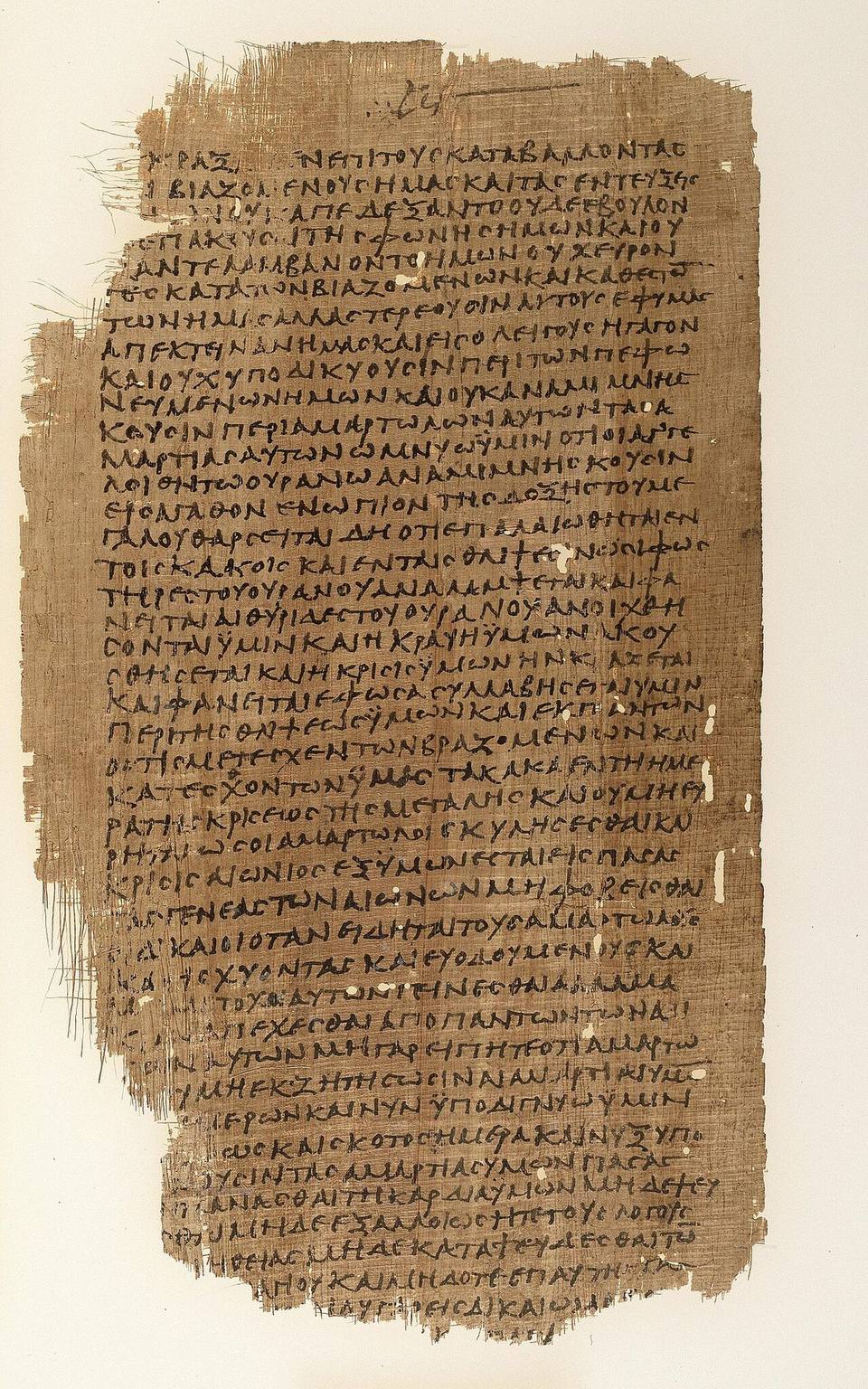
Comes from Internet Sacred Text Archive, 'The Book of Enoch', tr. R. H. Charles. The Book of Enoch (1 Enoch): Jewish writings about Enoch, Noah's great-grandfather, the oldest parts from about 300 to 200 BC. It tells of angels called Watchers who came down to earth. Full copies survived only in Ethiopia, whose church still counts it as scripture.
What this means
A real person with records. Sources are listed below.
For R. H. Charles, the original record exists and is linked: Internet Sacred Text Archive, 'The Book of Enoch', tr. R. H. Charles. That tells you the record is real and what it says. It does not mean every claim in it is true.
Primary records exist: an original document, a published text, an official file or a dated report. We link to them. This level says the record exists and what it says, not that every claim in it is true.
Sources
- The Book of Enoch (1 Enoch)Jewish writings about Enoch, Noah's great-grandfather, the oldest parts from about 300 to 200 BC. It tells of angels called Watchers who came down to earth. Full copies survived only in Ethiopia, whose church still counts it as scripture. Pieces in Aramaic were found among the Dead Sea Scrolls in 1952.Internet Sacred Text Archive, 'The Book of Enoch', tr. R. H. Charles Online copyPrimary text Archived copy, 2026-08-02
- WikipediaA free online encyclopedia written and edited by volunteers. It is a good starting point and usually lists its own sources, but anyone can change it, so we treat it as a guide to better sources, not the final word.Wikipedia, 'Robert Henry Charles'Reference Archived copy, 2026-10-03
No public-domain picture of this person yet. We do not show drawn or generated likenesses.