Credible Theories Sign in

The record

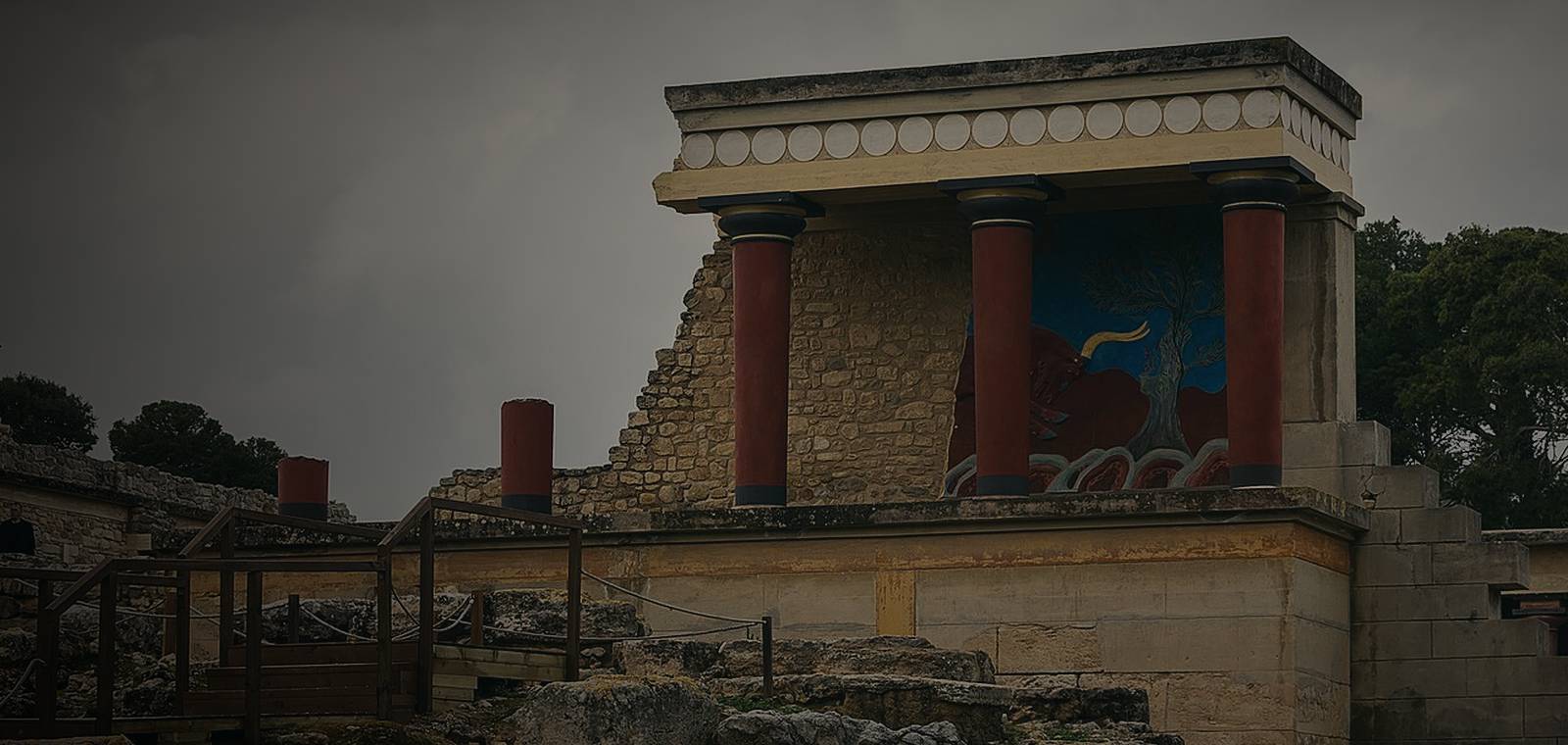
Greek stories placed King Minos and his Labyrinth at Knossos on Crete. In the Odyssey, Odysseus, telling a false tale of his past, speaks of a great town there, Cnossus, where Minos reigned who every nine years had a conference with Jove himself. From 1900 Arthur Evans dug the site and uncovered a vast palace, which he named Minoan after the king. In the first volume of The Palace of Minos (1921) he wrote that the building was interpenetrated with religious elements.

His clue was a sign. The sacred double axe, he wrote, appeared as a mark on the palace blocks outnumbering all the other marks on the Palace walls put together. Its Lydian name, labrys, has suggested a key not only to the title of the Carian Zeus, Labraundos, but to that of the Labyrinth, which he identified with the palace sanctuary of Knossos itself. Evans also found a room with a carved stone seat between painted griffins, stone benches around the walls and a basin down a flight of steps. He called it the Room of the Throne and judged it was built for religious rites; on the floor lay alabaster vessels beside an overturned oil jar, as if a ceremony of anointing had been cut short.

In July 2025 Knossos and five other Minoan palace sites were added to the UNESCO World Heritage List. The Greek government's news service describes Knossos as continuously inhabited from the Neolithic until the 5th century BC, at its height from the 17th to the 15th century BC.
Questions people ask about Knossos, the palace of the Labyrinth

Which Minoan palaces joined UNESCO's list in 2025?

Six sites: Knossos, Phaistos, Malia, Zakros, Zominthos and Kydonia. Greece's nomination file ran to more than 600 pages.

What did Evans compare the throne room to?

He likened its stone benches and central seat to a consistory or chapter-house, and compared it with a Hall of Initiation found by British explorers at a sanctuary in Anatolia.

Who did Homer say ruled Knossos?

In Butler's translation of the Odyssey, Minos reigned there and every nine years held a conference with Jove himself. Odysseus, in disguise, claims to be Minos's grandson.

The open question

Still strange: The maze and the double axe.

Arthur Evans tied its old name, labrys, to the word Labyrinth, the maze of the Minotaur story.

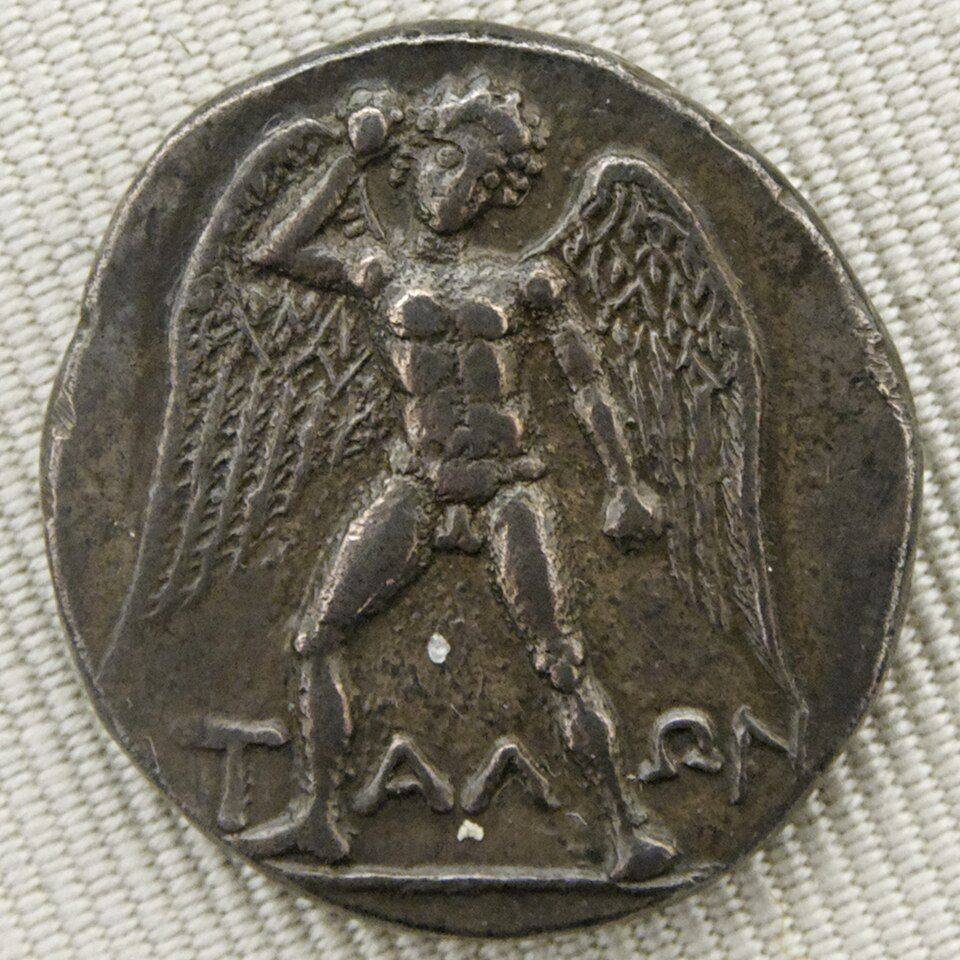
Talos: The Bronze Giant Who Guarded Crete →
  1. Step 1 of 4 · This fileKnossos, the palace of the Labyrinth
  2. Step 2 of 4 · The longer textThe Odyssey (rendered into English prose)
  3. Step 3 of 4 · Next fileTalos: The Bronze Giant Who Guarded Crete
  4. Step 4 of 4 · Next fileBronze Age Collapse: Why Did the Ancient World Fall Around 1200 BCE?
About these videos

Found by a YouTube search for this topic, not checked by us. The player loads from YouTube only when you press play.

Where this comes from

EvidenceDocumented

Comes from Homer, Odyssey 19, trans. Samuel Butler (1900), Project Gutenberg ebook 1727. Homer's Odyssey: The Greek epic poem about the hero Odysseus's ten-year voyage home from the Trojan War, credited to Homer and probably composed around 700 BC. It includes gold and silver watchdogs made by the god Hephaestus. Samuel Butler's English version came out in 1900.

What this means

Records exist and are linked below. This page says what the records say.

For Knossos, the palace of the Labyrinth, the original record exists and is linked: Homer, Odyssey 19, trans. Samuel Butler (1900), Project Gutenberg ebook 1727. That tells you the record is real and what it says. It does not mean every claim in it is true.

Primary records exist: an original document, a published text, an official file or a dated report. We link to them. This level says the record exists and what it says, not that every claim in it is true.

See all five labels

Sources

  1. Homer's OdysseyThe Greek epic poem about the hero Odysseus's ten-year voyage home from the Trojan War, credited to Homer and probably composed around 700 BC. It includes gold and silver watchdogs made by the god Hephaestus. Samuel Butler's English version came out in 1900.Homer, Odyssey 19, trans. Samuel Butler (1900), Project Gutenberg ebook 1727Primary text Archived copy, 2026-09-25
  2. Internet ArchiveA nonprofit digital library in San Francisco, founded in 1996, that holds millions of scanned books, papers and recordings. A scan there shows the pages of a real printed book or document.Arthur Evans, The Palace of Minos at Knossos, vol. 1 (London: Macmillan, 1921)Primary text
  3. Greek News Agenda (Secretariat General for Communication, Greece), "Crete's Minoan Palaces Achieve UNESCO World Heritage Status" (25 July 2025)

Quotations come from public-domain translations. A book in our Library links to its Library page; other links open the free online copy or the reference page.

Updated

Credible or not?

Tap one to see how other readers voted.

Discussion