












What is Fuad Safar known for?
Fuad Safar was an Iraqi archaeologist who worked for Iraq's Department of Antiquities. He is best known for the excavations at Eridu, near Ur in southern Iraq, which he directed with the British archaeologist Seton Lloyd from 1946 to 1949.
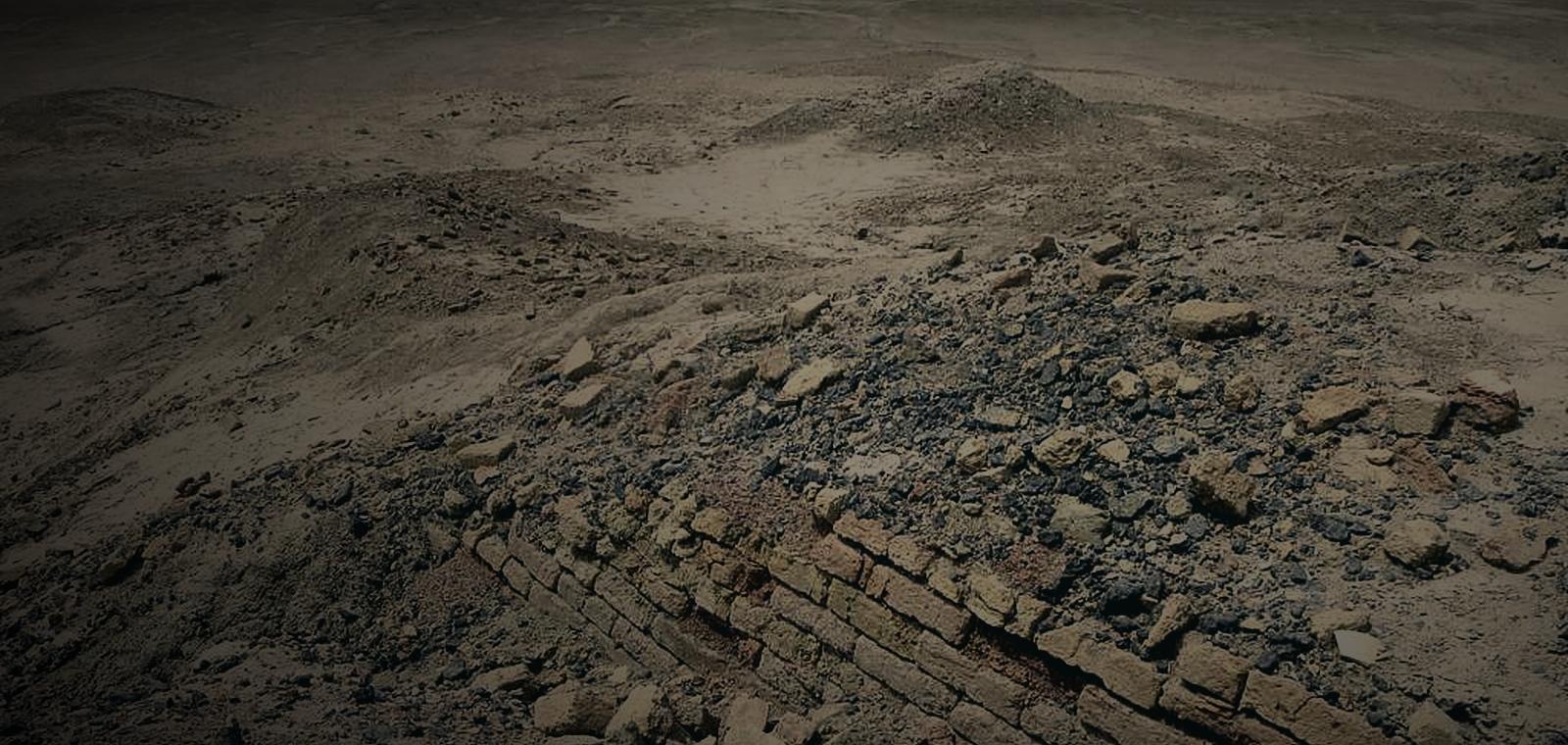
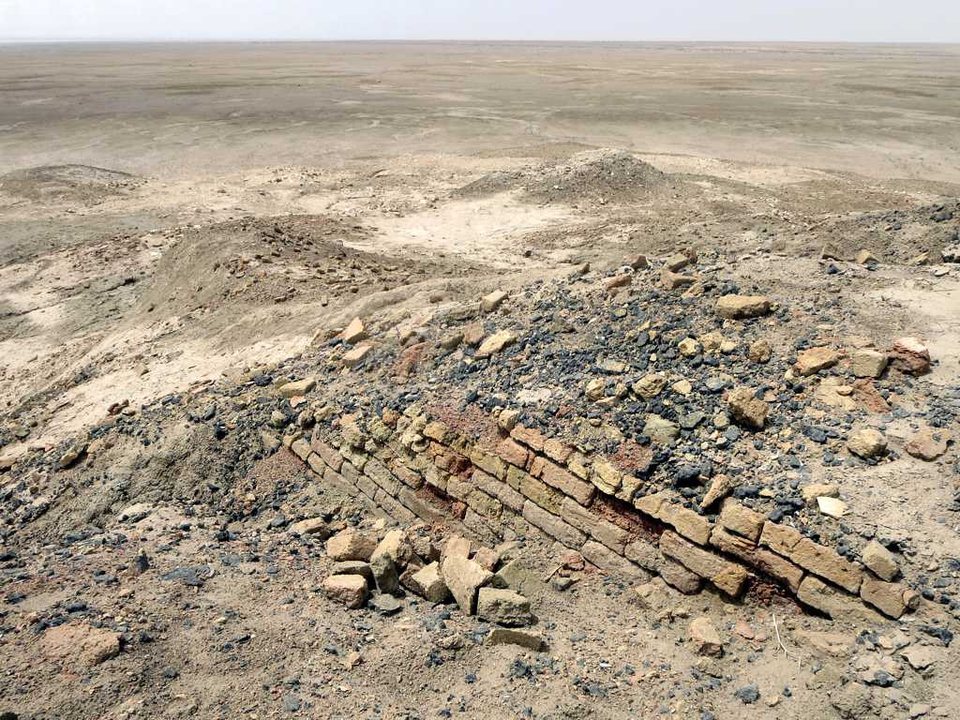
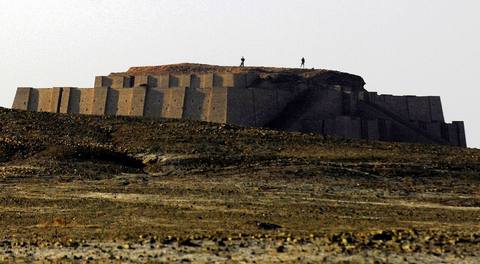
Beneath a ziggurat of the Ur III kings (about 2100 BCE) they found a sequence of temples built one on top of another, eighteen levels in all, going back to small shrines of around 5400 BCE. It is one of the longest continuous sacred sites known and gave weight to the Sumerian tradition that Eridu was the first city. Their final report, Eridu, was published in 1981.
Before Eridu, Safar and Lloyd had already worked together at Tell Uqair, near Baghdad. Safar belonged to the generation that built Iraq's own archaeological service in the mid-20th century, and the Eridu results, read alongside the Sumerian tradition that kingship began there, remain a reference point for the city's age.
Mentioned on these pages
- FileEridu
- PersonSeton Lloyd
Linked people and places
Where this comes from
Comes from National Geographic, 'How archaeologists found one of the oldest cities on earth'. The magazine of the National Geographic Society, published since 1888, covering science, archaeology and exploration for general readers.
What this means
A real person with records. Sources are listed below.
For Fuad Safar, the original record exists and is linked: National Geographic, 'How archaeologists found one of the oldest cities on earth'. That tells you the record is real and what it says. It does not mean every claim in it is true.
Primary records exist: an original document, a published text, an official file or a dated report. We link to them. This level says the record exists and what it says, not that every claim in it is true.
Sources
- National GeographicThe magazine of the National Geographic Society, published since 1888, covering science, archaeology and exploration for general readers.National Geographic, 'How archaeologists found one of the oldest cities on earth'Reference Archived copy, 2026-09-28
- WikipediaA free online encyclopedia written and edited by volunteers. It is a good starting point and usually lists its own sources, but anyone can change it, so we treat it as a guide to better sources, not the final word.Wikipedia, 'Eridu'Reference Archived copy, 2026-10-03
No public-domain picture of this person yet. We do not show drawn or generated likenesses.