The record
Pytheas reported that the coast-line of the island was more than forty thousand stadia, and added his story about Thule and about those regions in which there was no longer either land properly so‑called, or sea, or air, but a kind of substance concreted from all these elements, resembling a sea-lungs
Strabo, Geography 2.4.1, reporting Polybius on Pytheas · Greece and Rome
Translation: H. L. Jones, The Geography of Strabo, vol. 1 (Loeb Classical Library, 1917) · Public domain
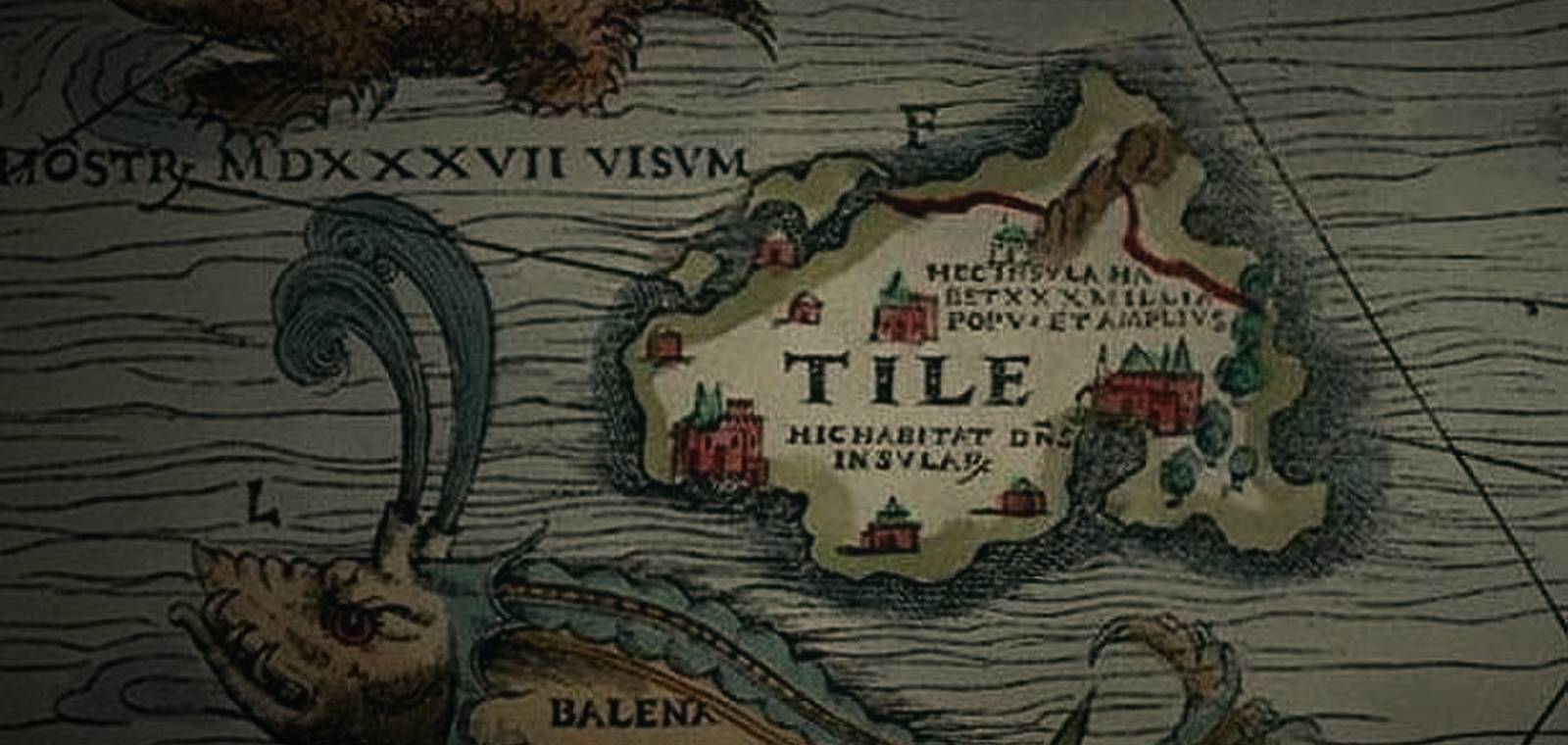
Pytheas, a Greek explorer, claimed to have travelled over the whole of Britain that could be reached, and wrote about an island beyond it called Thule. His book is lost. What survives is mostly what his critics said about it: Polybius, as Strabo reports, found it incredible that a private man, and a poor one, could have made such journeys.
Strabo reports that Pytheas put Thule a six days' sail north of Britain
, near the frozen sea. Farther north still, Pytheas said, there was no longer land or sea or air, but a kind of substance concreted from all these elements, resembling a sea-lungs
, which you could neither walk nor sail upon. He said he saw that himself and told the rest from hearsay. Strabo's translator explains a sea-lung as "an acaleph", a kind of jellyfish. Strabo even passes on Pytheas's report of how people up there lived: on millet, herbs, fruits and roots, threshing their grain indoors because there was so little sunshine and so much rain.
Strabo did not trust any of it. He called Pytheas an arch-falsifier
and noted that travelers who had seen Britain never mentioned Thule. Yet when Agricola's Roman fleet first sailed around the north of Britain, Tacitus writes, Thule was also distinctly seen, which winter and eternal snow had hitherto concealed.
A note in the Oxford translation of Tacitus lists the guesses at where Tacitus's Thule was: Shetland, one of the Hebrides, Foula, while Pliny's description pointed others to Iceland.