












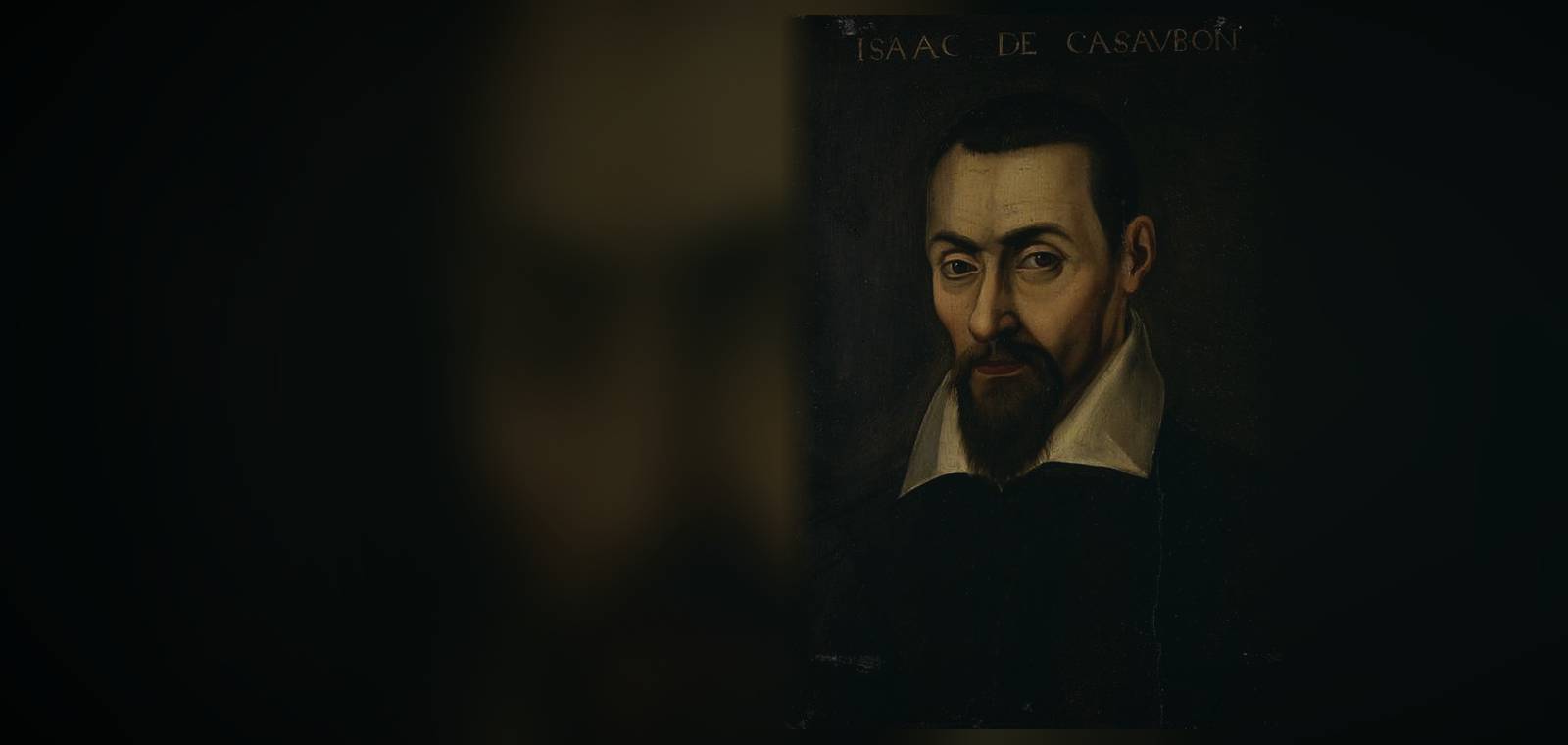
What is Isaac Casaubon known for?
Isaac Casaubon was one of the leading classical scholars of his time. Born in Geneva to Huguenot refugees, he taught in Geneva and Montpellier, worked in Paris as royal librarian under Henry IV, and moved to England in 1610 at the invitation of Archbishop Richard Bancroft, with the support of James I. He died in London in 1614 and is buried in Westminster Abbey.
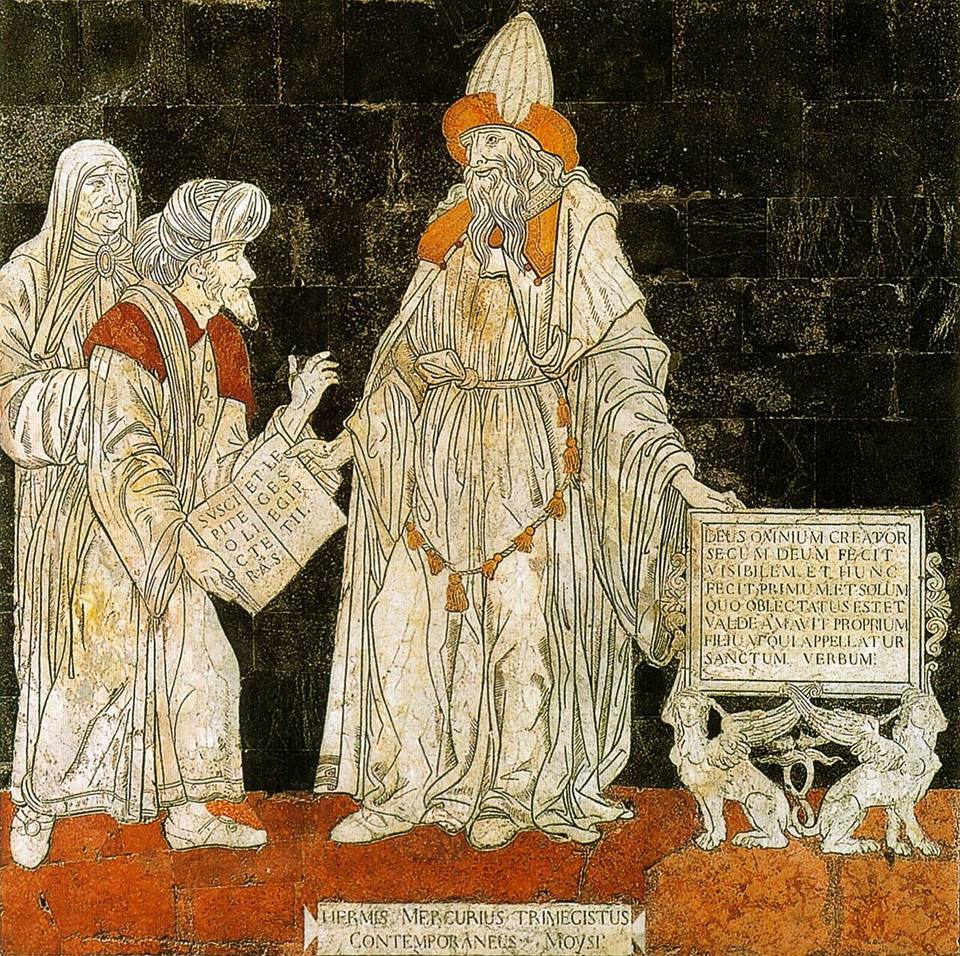
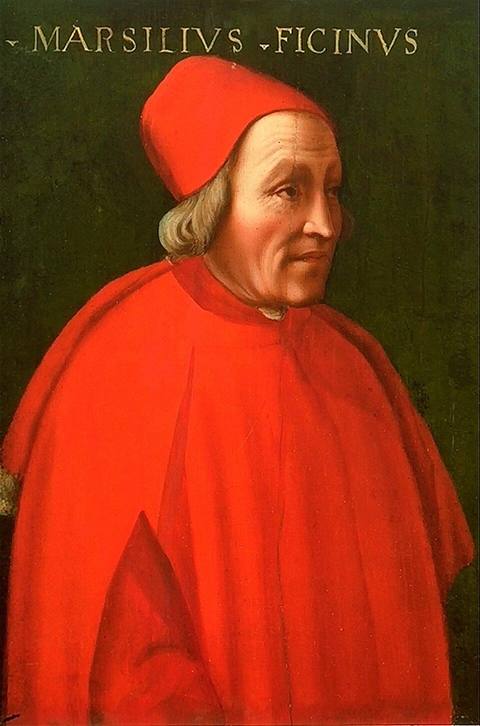
In his last book, a critique of the church historian Baronius published in 1614, he examined the Greek of the Corpus Hermeticum. He showed that its vocabulary and ideas belonged to the Christian era, which he placed around the third or fourth century CE, not to a sage contemporary with Moses. This undercut the Renaissance belief, promoted since Ficino, that Hermes Trismegistus was a primeval teacher. Modern scholars date the texts to roughly the first to third centuries CE, while recognizing some Egyptian elements in them.
Titles and honors
- Offices held
- Professor of Greek, Academy of Geneva 1581-1596
- King's Librarian, France from 1604
- Prebendal stall, Canterbury Cathedral 1610
Mentioned on these pages
- FileHermes Trismegistus
- PersonMarsilio Ficino
Linked people and places
Where this comes from
Comes from Wikipedia, 'Isaac Casaubon'. A free online encyclopedia written and edited by volunteers. It is a good starting point and usually lists its own sources, but anyone can change it, so we treat it as a guide to better sources, not the final word.
What this means
A real person with records. Sources are listed below.
For Isaac Casaubon, the original record exists and is linked: Wikipedia, 'Isaac Casaubon'. That tells you the record is real and what it says. It does not mean every claim in it is true.
Primary records exist: an original document, a published text, an official file or a dated report. We link to them. This level says the record exists and what it says, not that every claim in it is true.
Sources
- WikipediaA free online encyclopedia written and edited by volunteers. It is a good starting point and usually lists its own sources, but anyone can change it, so we treat it as a guide to better sources, not the final word.Wikipedia, 'Isaac Casaubon'Reference Archived copy, 2026-08-23
- SpringerLinkThe online home of books and journals from Springer, a large academic publisher. Its encyclopedia entries are written by specialists.Springer, Encyclopedia of Renaissance Philosophy, 'Casaubon, Isaac'Reference