












What is Pytheas known for?
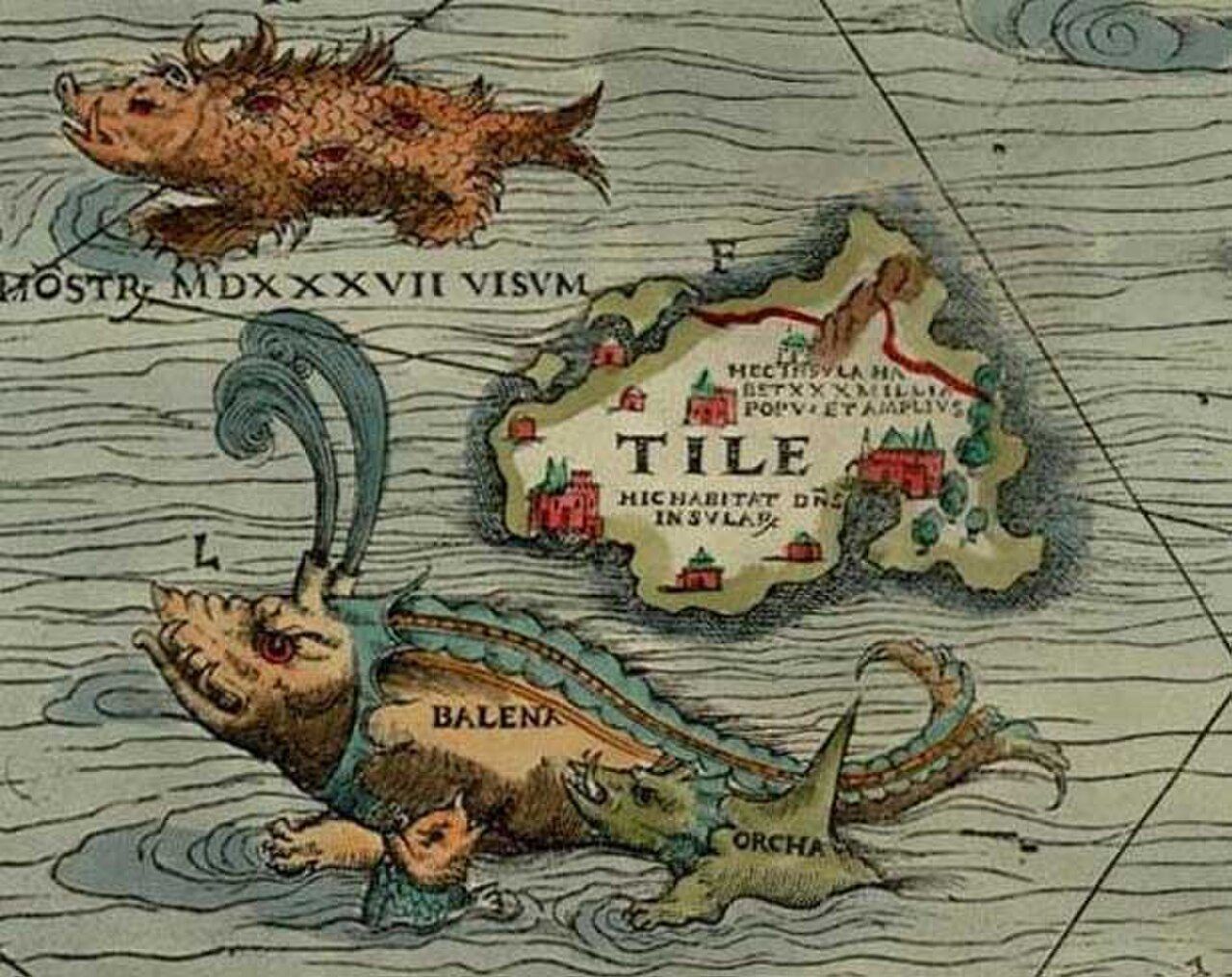
Pytheas wrote about a voyage to the far north that no other Greek of his day could check. His book is lost. Strabo, quoting Polybius, says Pytheas claimed to have travelled over the whole of Britain that was accessible, put its coastline at more than forty thousand stadia, and told of Thule and of regions where there was no longer land, sea or air but a substance like a sea-lung.
Pytheas also gave the length of a sundial's shadow at Massilia, which the astronomer Hipparchus later used. Strabo passes on his description of the northern peoples, living on millet, herbs and roots and threshing grain indoors for lack of sunshine.
Strabo himself called Pytheas "an arch-falsifier". Polybius thought it incredible that a private man, and a poor one, could have travelled so far.
Mentioned on these pages
Linked people and places
Where this comes from
Comes from Strabo, Geography 2.4.1, trans. H. L. Jones (Loeb Classical Library, 1917), LacusCurtius. Geography, by Strabo: A 17-book description of the lands and peoples of the known world by Strabo, a Greek geographer, finished around AD 20 to 25. It includes an account of the city of Helike sinking in 373 BC.
What this means
A real person with records. Sources are listed below.
For Pytheas, the original record exists and is linked: Strabo, Geography 2.4.1, trans. H. L. Jones (Loeb Classical Library, 1917), LacusCurtius. That tells you the record is real and what it says. It does not mean every claim in it is true.
Primary records exist: an original document, a published text, an official file or a dated report. We link to them. This level says the record exists and what it says, not that every claim in it is true.
Sources
- Geography, by StraboA 17-book description of the lands and peoples of the known world by Strabo, a Greek geographer, finished around AD 20 to 25. It includes an account of the city of Helike sinking in 373 BC.Strabo, Geography 2.4.1, trans. H. L. Jones (Loeb Classical Library, 1917), LacusCurtiusPrimary text
- Geography, by StraboStrabo, Geography 1.4.2-3, trans. H. L. Jones (Loeb Classical Library, 1917), LacusCurtiusPrimary text
- Geography, by StraboStrabo, Geography 4.5.5, trans. H. L. Jones (Loeb Classical Library, 1923), LacusCurtiusPrimary text
No public-domain picture of this person yet. We do not show drawn or generated likenesses.