












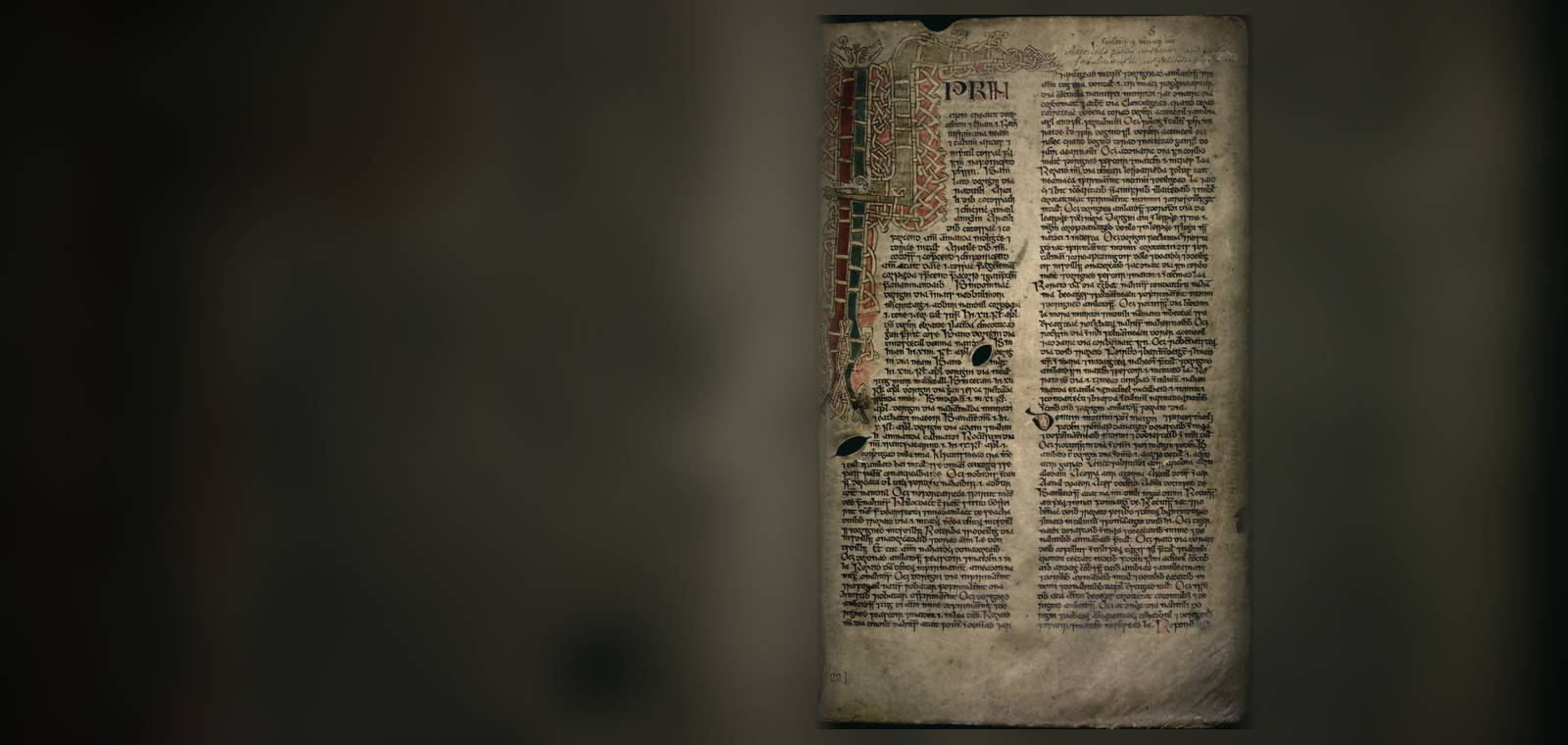
What is Partholón known for?
Partholón leads the second settlement of Ireland in the Lebor Gabála Érenn, arriving some centuries after the Flood. The text traces his descent from Noah's son Japheth through Magog, part of its effort to link the Irish to biblical genealogy.
His people clear new plains, form lakes, and introduce agriculture, cattle, brewing and other arts. They also fight the Fomorians, a recurring hostile race in Irish legend. In the end Partholón's people die of plague within a single week. One man, Tuan mac Cairill, survives and, like Fintan, lives on through a series of animal forms to tell the history to later Christian saints.
Earlier Latin sources such as the Historia Brittonum mention a Partholomus. Scholars see Partholón as a learned medieval invention, possibly modeled on the name Bartholomew, rather than a figure of older myth.
Mentioned on these pages
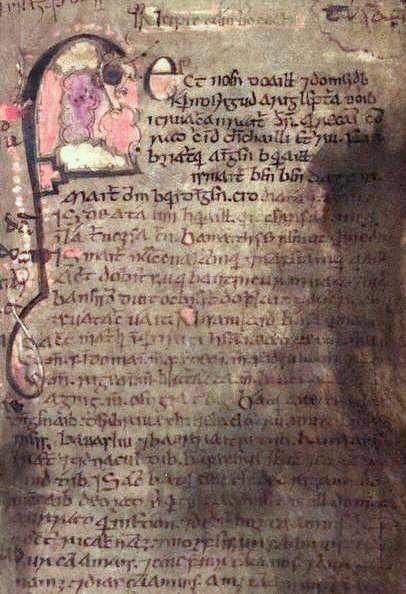
- FileLebor Gabála Érenn (Book of Invasions)
- PersonFomorians
- PersonNemed
Linked people and places
Where this comes from
Comes from Nancy Effinger Wilson, 'Lebor Gabála Érenn (The Book of Invasions)', Irish Mythology…. Texas State University Pressbooks: A platform for free online textbooks written by teachers at Texas State University. The chapter cited is a course reading on Irish myth, useful as a plain summary.
What this means
A story or tradition. It is documented as a story; nothing independent shows it happened.
Partholón is known from stories, scripture or tradition. The texts are real and we quote them (for example Nancy Effinger Wilson, 'Lebor Gabála Érenn (The Book of Invasions)', Irish Mythology…), but nothing outside those texts shows that Partholón was real as described.
The page covers something known from myths, scripture or tradition. The texts are real and we quote them, but no independent record shows the events or beings were real.
Sources
- Texas State University PressbooksA platform for free online textbooks written by teachers at Texas State University. The chapter cited is a course reading on Irish myth, useful as a plain summary.Nancy Effinger Wilson, 'Lebor Gabála Érenn (The Book of Invasions)', Irish Mythology (Texas State University Pressbooks)Reference Archived copy, 2026-10-03
- WikipediaA free online encyclopedia written and edited by volunteers. It is a good starting point and usually lists its own sources, but anyone can change it, so we treat it as a guide to better sources, not the final word.Wikipedia, 'Lebor Gabála Érenn'Reference Archived copy, 2026-10-01
- WikipediaWikipedia, 'Partholón'Reference Archived copy, 2026-07-31
No public-domain picture of this person yet. We do not show drawn or generated likenesses.