Credible Theories Sign in
Hebrew Bible · Genesis 18:1–8; 19:1–11

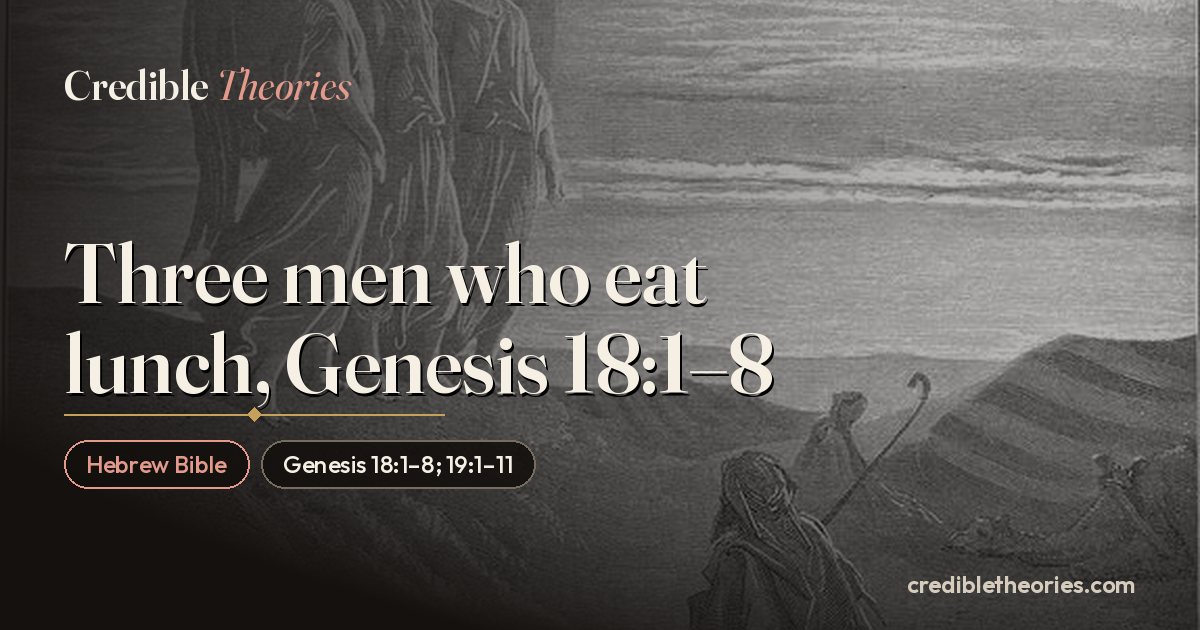
Three men who eat lunch, Genesis 18:1–8

Share

In plain words

These are short passages from Genesis, the first book of the Bible, written roughly 900 to 500 BCE. In the story, three men appear to Abraham, and they eat a meal with him under a tree. Later, the visitors strike a crowd at a door with blindness. Scholars say the visitors are "the LORD" and two angels, and read it as a story about hospitality.

ReferenceGenesis 18:1–8; 19:1–11
Writtenc. 900–500 BCE
SetAbraham, c. 2000–1800 BCE by the Bible's own dating
And he lift up his eyes and looked, and, lo, three men stood by him… and he stood by them under the tree, and they did eat… And they smote the men that were at the door of the house with blindness, both small and great.

Documented · Ancient text, c. 900–500 BCE Translation: KJV

Read it literally

The visitors look fully human, eat real food, and carry a weapon that blinds a crowd at once. Then Sodom is destroyed by 'fire from the LORD out of heaven' (19:24). Field agents with air support.

What scholars say

Read by scholars as a hospitality tale; the visitors are 'the LORD' and two angels.

Themes From the sky Looks like technology
People and places hereSodom

Questions people ask about Genesis 18:1–8

What did Abraham serve the three visitors?

He had Sarah bake cakes from three measures of fine flour, and he chose a tender calf for a servant to prepare. He also brought butter, probably curds, and milk. Jewish commentators noticed the meat and milk served together, and some explained it by saying the dairy came first or that this was before the Torah was given.

What news did the visitors bring?

One of them says Sarah will have a son by the same time next year. Sarah, listening at the tent door, laughs to herself because she and Abraham are very old. The son is named Isaac, which means 'he laughs'. Afterwards Abraham walks with the visitors and bargains with God to spare Sodom for the sake of ten good people.

How do Jews and Christians interpret the three visitors?

The Talmud (Bava Metzia 86b) says they were three angels, each with one task: Michael brought the news of Isaac, Gabriel went on to destroy Sodom, and Raphael healed Abraham. Many Christians have seen a hint of the Trinity in them, most famously in Andrei Rublev's fifteenth-century Russian icon of the Trinity.

Where this comes from

EvidenceDocumented

Comes from The Book of Genesis, Genesis 18:1–8; 19:1–11, read here in the King James Version. The first book of the Bible, telling of Creation, Adam and Eve, Noah's Flood and the families of Abraham, Isaac and Jacob. Scholars think it was written and edited over several centuries and finished by roughly 500 to 400 BC. The oldest surviving copies are pieces of the Dead Sea Scrolls.

What this means

The text exists and is quoted from a published translation. What it describes is a separate question.

Primary records exist: an original document, a published text, an official file or a dated report. We link to them. This level says the record exists and what it says, not that every claim in it is true.

See all five labels

Sources

  1. The King James BibleThe English Bible made for King James I and first printed in 1611; the wording most people know comes from a 1769 update. It is out of copyright, which is why we quote it. The 1611 printing also had the Apocrypha, extra books kept in Catholic and Orthodox Bibles.King James Version (1611; standard 1769 text), with ApocryphaPrimary text Archived copy, 2026-10-03

Scholarly dates are rounded. The wording follows the named public-domain translation.

More from Hebrew Bible

The story before and after this one, and what each shares with Three men who eat lunch.

Photo credits
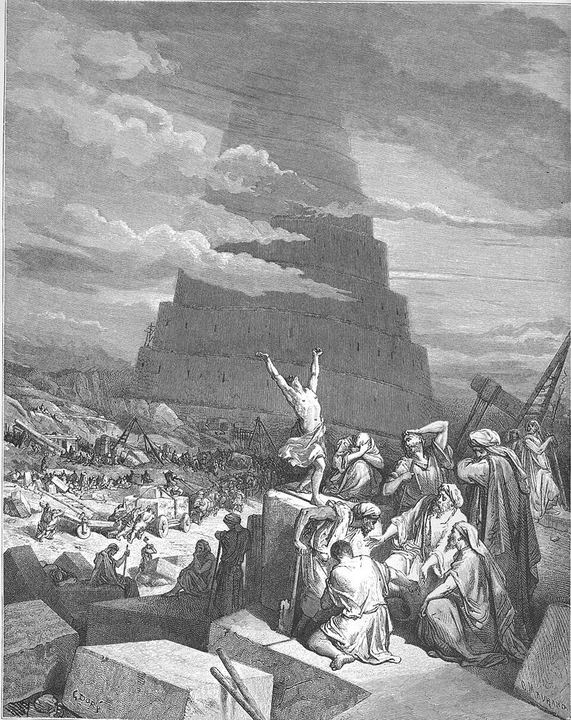
‹ Before thisBabel: 'let us go down'Genesis 11:4–7

People after the Flood try to build a city and a tower that reaches to heaven.

Same theme: From the sky
Photo credits
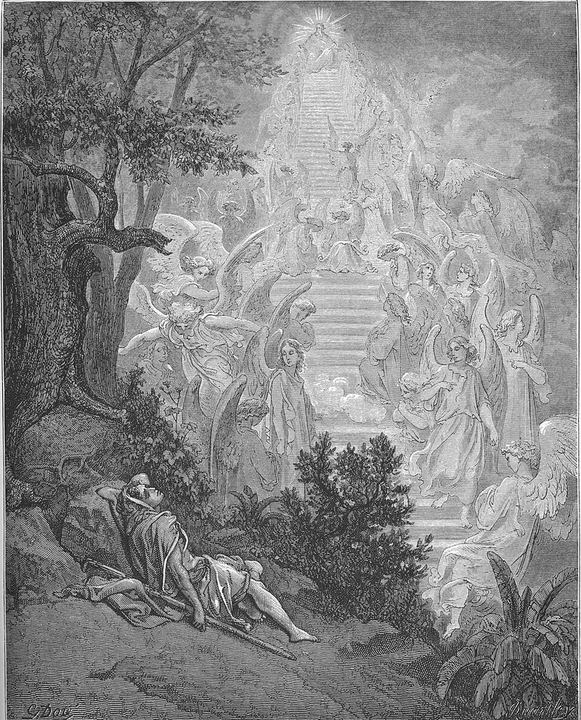
Next ›Jacob's ladderGenesis 28:12

A man named Jacob has a dream.

Same theme: From the skySame theme: Looks like technology

Updated

Discussion