Credible Theories Sign in
Other traditions · John Lewis Burckhardt, Travels in Syria and the Holy Land, Wady Mousa (1812)

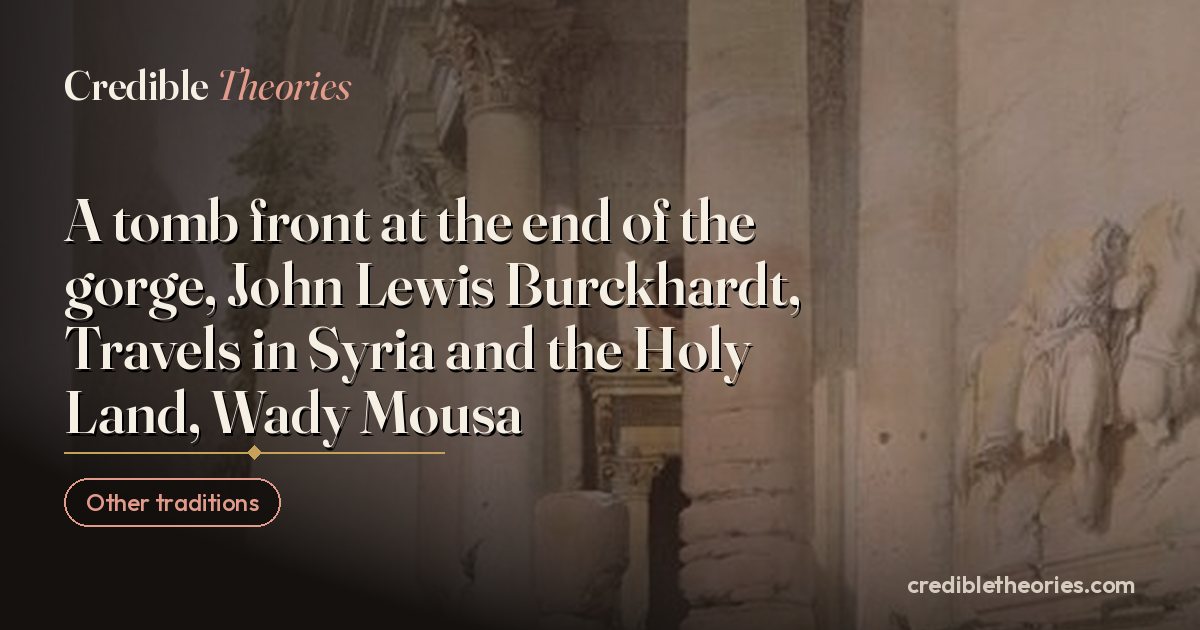
A tomb front at the end of the gorge, John Lewis Burckhardt, Travels in Syria and the Holy Land, Wady Mousa

Share

In plain words

Burckhardt walked for about twenty-five minutes through a narrow gorge until it opened out. On the sheer rock opposite stood a tomb carved into the cliff, so well kept it looked newly finished. After that dark passage, he wrote, it was one of the most elegant ancient remains in Syria.

ReferenceJohn Lewis Burckhardt, Travels in Syria and the Holy Land, Wady Mousa (1812)
WrittenWritten by Johann Ludwig Burckhardt about his visit of August 1812; published in London in 1822, after his death
SetWady Mousa (Petra), southern Jordan, at the end of the Syk gorge
After proceeding for twenty-five minutes between the rocks, we came to a place where the passage opens, and where the bed of another stream coming from the south joins the Syk. On the side of the perpendicular rock, directly opposite to the issue of the main valley, an excavated mausoleum came in view, the situation and beauty of which are calculated to make an extraordinary impression upon the traveller, after having traversed for nearly half an hour such a gloomy and almost subterraneous passage as I have described. It is one of the most elegant remains of antiquity existing in Syria; its state of preservation resembles that of a building recently finished, and on a closer examination I found it to be a work of immense labour.

Documented · Modern book, 1812 Translation: John Lewis Burckhardt, 1822 · About the translator

Read it literally

A Swiss traveler, led into the valley on the pretext of a sacrifice to Aaron, comes out of a dark gorge in front of the carved building now called the Treasury. The Petra file sets his account beside Strabo's description of the Nabataean capital.

What scholars say

An eyewitness journal, published by the African Association ten years later.

Themes Strange time
People and places hereStrabo
Questions people ask about John Lewis Burckhardt, Travels in Syria and the Holy Land, Wady Mousa

Why did Burckhardt pretend to make a sacrifice?

The road from Shobak to Akaba passed east of the valley, and leaving it out of mere curiosity would have looked very suspicious to his Arab guides. A vow to Aaron gave him a reason his guide dared not refuse.

What did Burckhardt think the city was?

He suspected it was the ancient capital of Arabia Petraea, but left the decision to Greek scholars rather than claim it himself.

Used on these files

  • Petra, the Rose-Red City DocumentedA city carved into the cliffs of southern Jordan, reached through a narrow gorge. In 1812 a Swiss traveler talked his way in by promising to sacrifice a goat.

Where this comes from

EvidenceDocumented

Comes from John Lewis Burckhardt, John Lewis Burckhardt, Travels in Syria and the Holy Land, Wady Mousa (1812). Internet Archive: A nonprofit digital library in San Francisco, founded in 1996, that holds millions of scanned books, papers and recordings. A scan there shows the pages of a real printed book or document.

What this means

The text exists and is quoted from a published translation. What it describes is a separate question.

Primary records exist: an original document, a published text, an official file or a dated report. We link to them. This level says the record exists and what it says, not that every claim in it is true.

See all five labels

Sources

  1. Internet ArchiveA nonprofit digital library in San Francisco, founded in 1996, that holds millions of scanned books, papers and recordings. A scan there shows the pages of a real printed book or document.John Lewis Burckhardt, Travels in Syria and the Holy Land (London: John Murray, 1822)Primary text
  2. Internet ArchiveJohn Lewis Burckhardt, Travels in Syria and the Holy Land (London: John Murray, 1822), pp. 418-431, Wady MousaPrimary text

Scholarly dates are rounded. The wording follows the named public-domain translation.

More from Other traditions

Two more stories, and what each shares with A tomb front at the end of the gorge.

Photo credits
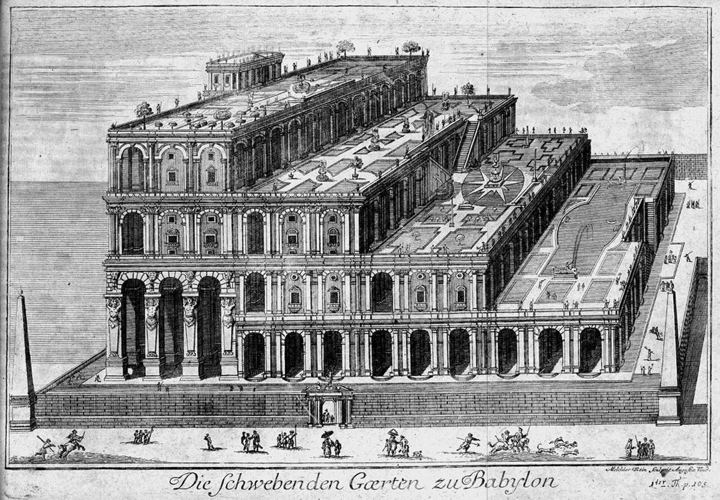
RelatedA garden built to look like mountainsBerossus, Chaldean History, book 3, quoted by Josephus, Against Apion 1.19

Berossus says King Nebuchadnezzar built raised walks on stone pillars in his new palace and planted them with every kind of tree.

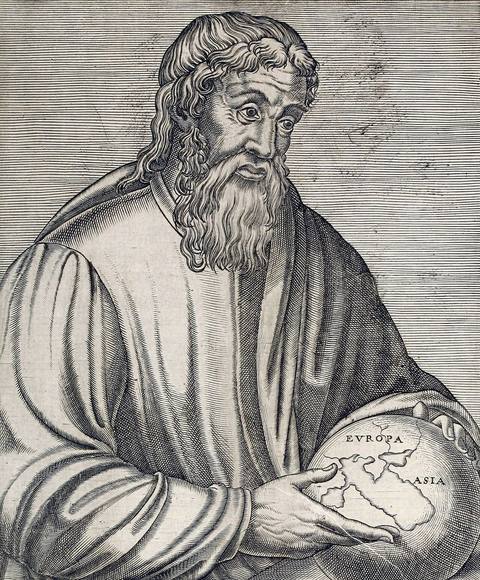
Also about Strabo
Photo credits
RelatedNeither land nor sea nor airStrabo, Geography 2.4.1, reporting Polybius on Pytheas

Pytheas said Britain's coastline ran more than forty thousand stadia.

Also about Strabo

Updated

Discussion