The Grid Trips
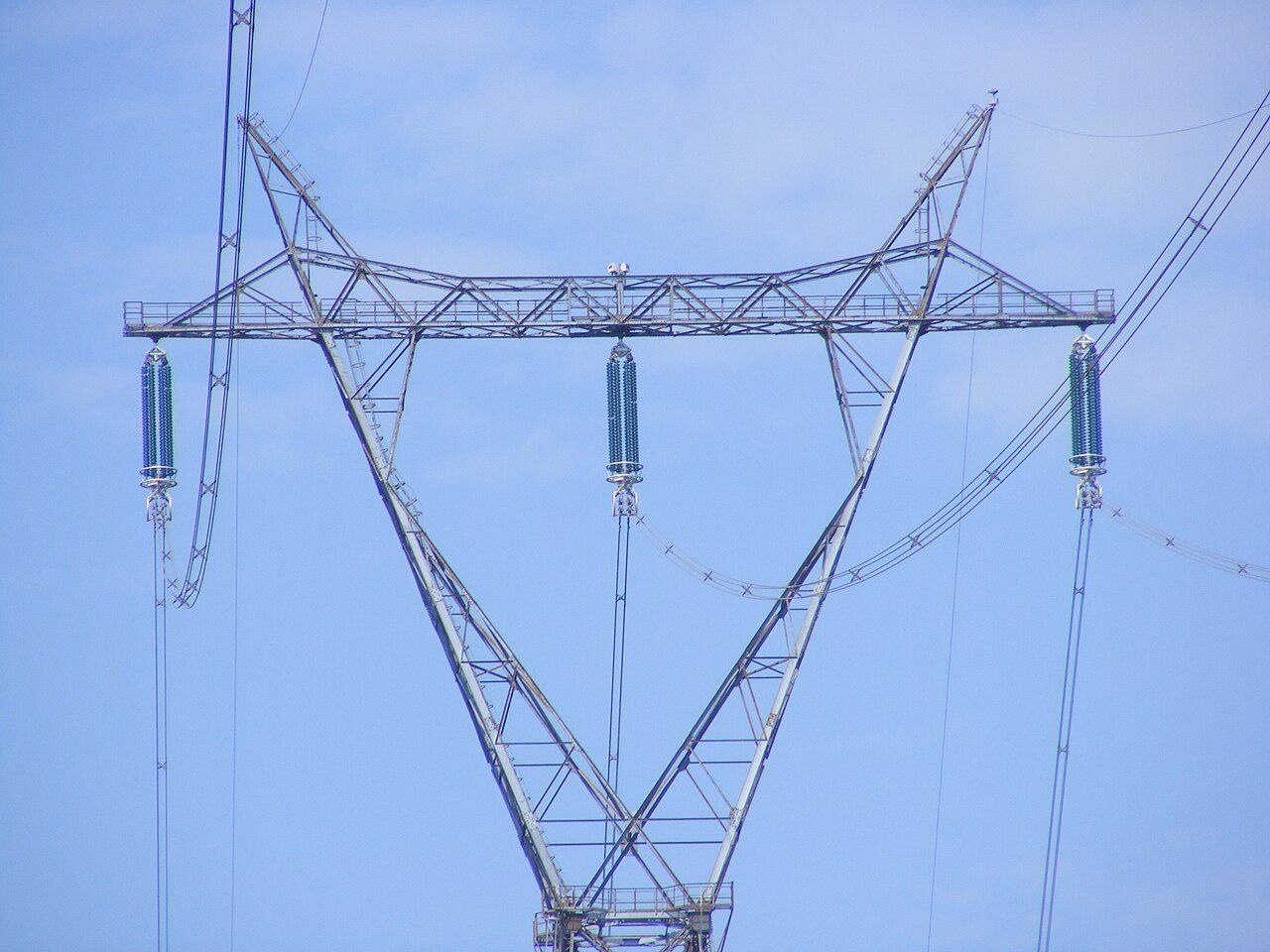
abdallahh from Montreal, Canada (Flickr). CC BY 2.0. Picture source
In about a minute, safety systems on a big power grid trip one after another and the lights go out, as they did in Quebec in 1989.
Story: the middle of the night. Record: 2:44 a.m., 13 March 1989, Quebec
The story
Big transformers are built for steady alternating current. In this story, the storm adds a slow, steady push on top. The transformers start to hum and heat up. They also send out messy electrical noise.
That noise confuses the equipment that keeps the grid's voltage steady. Safety switches see something that looks like a fault, and they do their job. They switch off.
One switch trips, then another, then another. In this story, the whole thing takes about a minute. A city goes dark. Then a region. Control rooms that were calm a moment ago are now trying to work out what is still standing.
This is not made up from nothing. It happened in Quebec in 1989, in a storm much smaller than Carrington's. Seven pieces of voltage control equipment tripped within 59 seconds. Twenty-five seconds later the whole system collapsed. Six million people lost power for about nine hours.
In this story, the storm is bigger, and it hits many grids at once.
What the record says
However, on March 13 at 2:44 a.m., the Earth's magnetic field was fluctuating violently. The grid's protection system was triggered, and a blackout occurred in less than a minute!
Hydro-Quebec, 'In March 1989, Quebec experienced a blackout caused by a solar storm'
During the geomagnetic disturbance, seven SVCs tripped within 59 seconds of each other, leading to voltage collapse of the system 25 seconds later.
NERC, Effects of Geomagnetic Disturbances on the Bulk Power System (2012), section 1.3.3
Power systems: Widespread voltage control problems and protective system problems can occur, some grid systems may experience complete collapse or blackouts. Transformers may experience damage.
NOAA Space Weather Scales, G5 (Extreme) geomagnetic storm
Hydro-Quebec says its grid blacked out in less than a minute at 2:44 a.m. on 13 March 1989 and the province was dark for more than nine hours. NERC's 2012 report says seven static VAR compensators tripped within 59 seconds, leading to collapse 25 seconds later, and that more than six million people lost power. Lloyd's adds that the same storm permanently damaged a generator step-up transformer at a New Jersey nuclear station. Hydro-Quebec explains that its long lines on the rocky Canadian Shield made it more exposed, and lists the fixes it made afterward. The 1989 storm was far weaker than Carrington's; a storm big enough to trip many grids at once is the story's supposition, but it is the case NOAA's G5 level describes.