












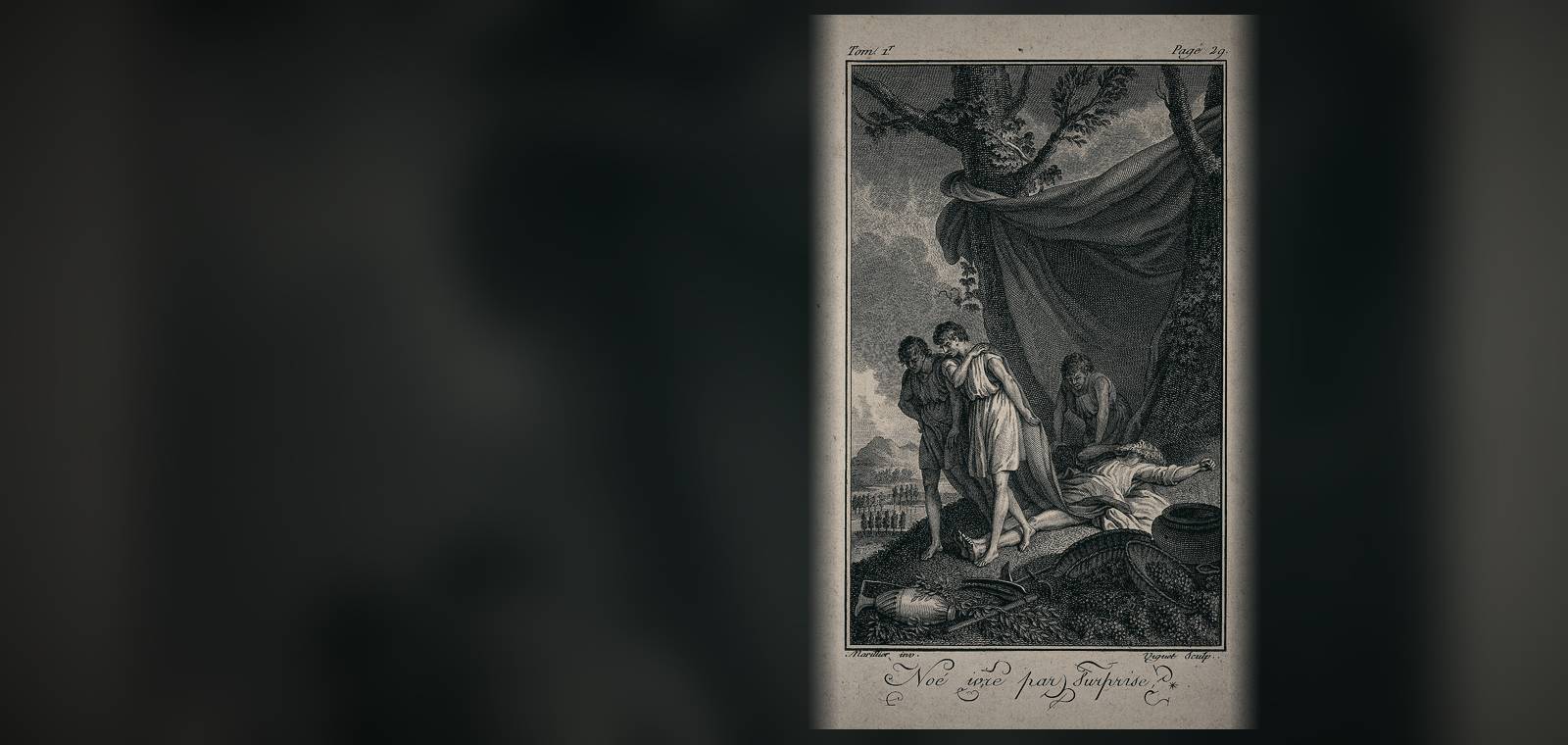
What is Japheth known for?
Japheth is one of Noah's three sons. After the Flood, Genesis 10 lists his seven sons: Gomer, Magog, Madai, Javan, Tubal, Meshech and Tiras. These names correspond to peoples to the north and west of Israel, in Anatolia, the Aegean and the Caucasus; Javan, for example, is the Hebrew name for the Ionian Greeks. Scholars have long compared his name with Iapetus, a Titan of Greek myth.
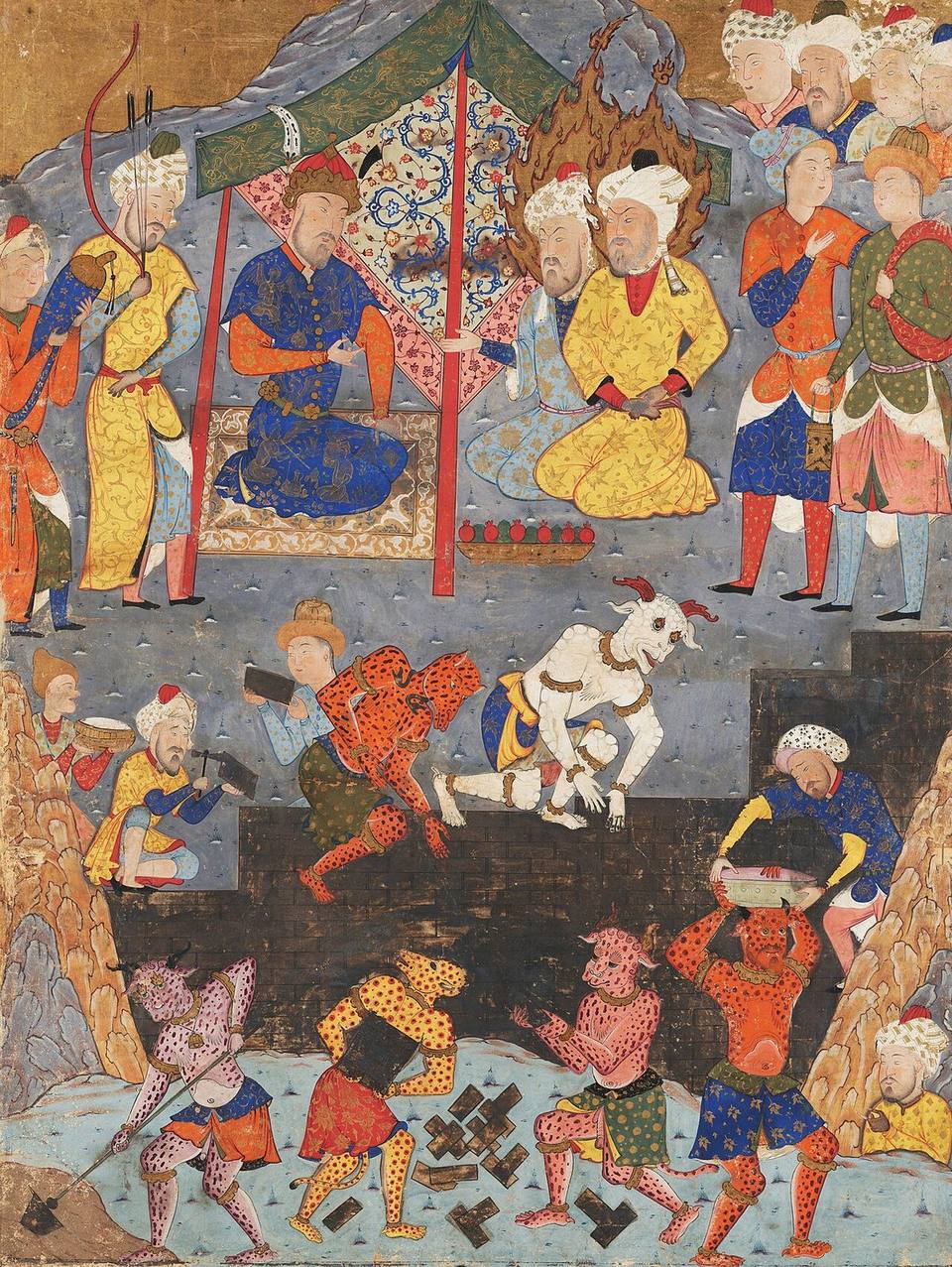
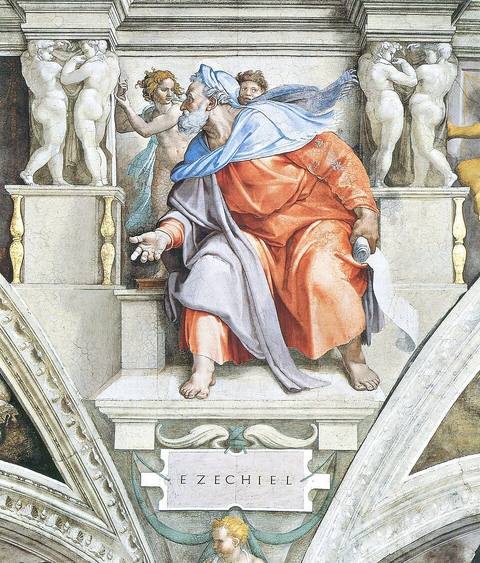
In Genesis, Magog is just one name in this list. By the time of Ezekiel 38–39, Gog "of the land of Magog" has become a hostile ruler from the far north, and in later Jewish, Christian and Islamic tradition Gog and Magog grow into end-time nations shut behind a barrier. Medieval European writers, from Isidore of Seville onward, also traced the peoples of Europe to Japheth.
Japheth is known from Genesis and the genealogical traditions based on it.
The same story, told elsewhere
Shared story · Floods and lost lands
Flood Stories Around the World
A god warns one good man, a boat is built, the world drowns and birds are sent out to find land. The same story turns up from Iraq to India to Greece, with cousins in China, Scandinavia and Guatemala.
Genesis 6 to 9 (Noah) is one telling. The same story is told 9 more times, in 6 parts of the world. Follow it:
- Vedic IndiaNorthern India · c. 800-600 BCE · Ancient text
- Babylonian (Akkadian)Mesopotamia · 7th century BCE · Ancient text
- Hebrew BibleJudah / Babylon · c. 600-400 BCE · Ancient textTied to this page
- ChineseYellow River valley, China · 1st millennium BCE · Ancient text
- Zoroastrian (Persian)Iran / Central Asia · 1st millennium BCE · Ancient text
- Babylonian, retold in GreekBabylon · c. 280 BCE · Ancient text
- GreekGreece · 1st or 2nd century CE · Ancient text
- IslamArabia · 7th century CE · Medieval text
- NorseIceland · c. 1220 CE · Medieval text
- K'iche' MayaHighland Guatemala · c. 1554-1558 · Retold in English
The open question: One real flood remembered by many peoples, or many different floods that each people told in its own way? Join the debate
Mentioned on these pages
- FileGog and Magog
- PersonNoah
- PersonPartholón
Linked people and places
Where this comes from
Comes from Genesis 10 (KJV), Bible Gateway. The Book of Genesis: The first book of the Bible, telling of Creation, Adam and Eve, Noah's Flood and the families of Abraham, Isaac and Jacob. Scholars think it was written and edited over several centuries and finished by roughly 500 to 400 BC. The oldest surviving copies are pieces of the Dead Sea Scrolls.
What this means
A story or tradition. It is documented as a story; nothing independent shows it happened.
Japheth is known from stories, scripture or tradition. The texts are real and we quote them (for example Genesis 10 (KJV), Bible Gateway), but nothing outside those texts shows that Japheth was real as described.
The page covers something known from myths, scripture or tradition. The texts are real and we quote them, but no independent record shows the events or beings were real.
Sources
- The Book of GenesisThe first book of the Bible, telling of Creation, Adam and Eve, Noah's Flood and the families of Abraham, Isaac and Jacob. Scholars think it was written and edited over several centuries and finished by roughly 500 to 400 BC. The oldest surviving copies are pieces of the Dead Sea Scrolls.Genesis 10 (KJV), Bible Gateway Online copyPrimary text Archived copy, 2026-10-03
- WikipediaA free online encyclopedia written and edited by volunteers. It is a good starting point and usually lists its own sources, but anyone can change it, so we treat it as a guide to better sources, not the final word.Wikipedia, 'Japheth'Reference Archived copy, 2026-09-06
No public-domain picture of this person yet. We do not show drawn or generated likenesses.