Credible Theories Sign in
Hebrew Bible · Numbers 21:6–9

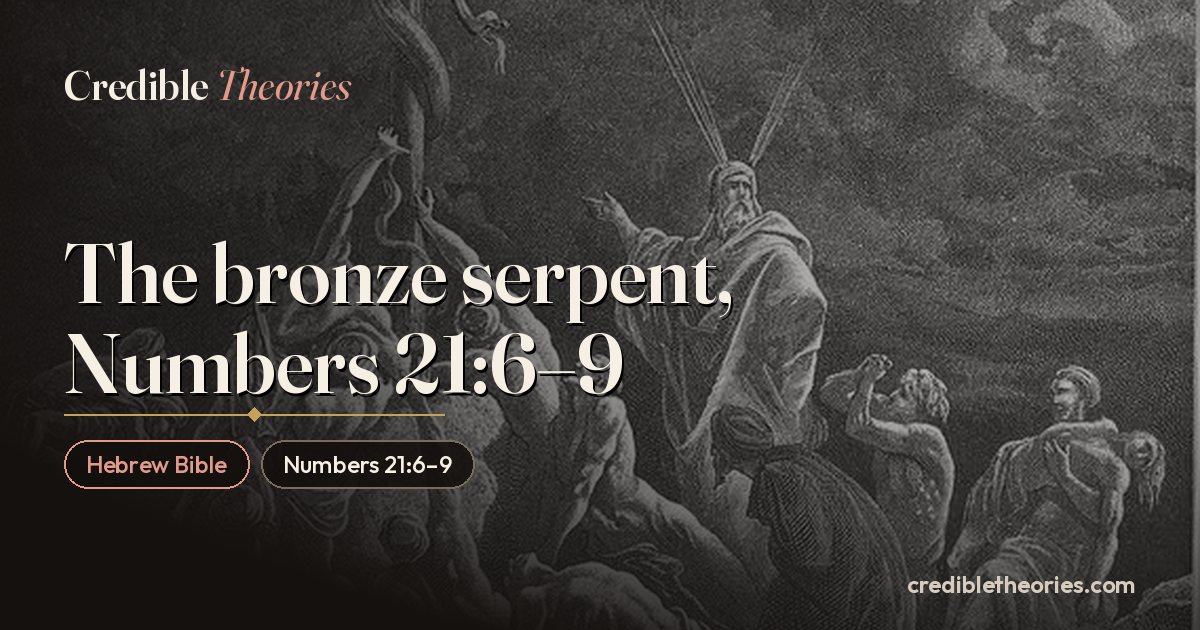
The bronze serpent, Numbers 21:6–9

Share

In plain words

This is a short passage from Numbers, the fourth book of the Bible, written roughly 700 to 400 BCE, about the Israelites' 40 years in the desert. When people are bitten by snakes, Moses makes a snake of brass and puts it on a pole. The text says anyone bitten who looked at it lived. Scholars link it to a bronze serpent later destroyed by King Hezekiah.

ReferenceNumbers 21:6–9
Writtenc. 700–400 BCE
SetThe Exodus
And Moses made a serpent of brass, and put it upon a pole, and it came to pass, that if a serpent had bitten any man, when he beheld the serpent of brass, he lived.

Documented · Ancient text, c. 700–400 BCE Translation: KJV

Read it literally

A crafted object that heals when looked at. Instructions came from above; the people later worshiped it until it was destroyed.

What scholars say

Linked to the bronze serpent Nehushtan that King Hezekiah destroyed (2 Kings 18:4).

Themes Looks like technology
People and places hereHezekiahMoses

Questions people ask about Numbers 21:6–9

Does Jesus mention the bronze serpent?

Yes. In John 3:14 Jesus tells Nicodemus that 'as Moses lifted up the serpent in the wilderness, even so must the Son of man be lifted up.' Christians have long read the bronze serpent as a sign pointing to the cross, where healing comes by looking in faith. It is the only time the gospels refer to this story.

Why were the Israelites bitten by snakes in the first place?

Numbers 21:5 says the people complained against God and Moses about the long trek and the manna, which they called 'light bread'. The snakes are called nehash saraph, 'burning serpents', using the same root as the seraphim of Isaiah 6. After the bites, the people admit they sinned and ask Moses to pray for them.

Has a bronze serpent ever been found by archaeologists?

A small copper snake, partly gilded, was found in 1969 at Timna in southern Israel by the archaeologist Beno Rothenberg. It came from a shrine linked to the Midianites, a people tied to Moses through his father-in-law Jethro. The find does not prove the Bible story, but it shows such objects were used in the region.

Where this comes from

EvidenceDocumented

Comes from The Book of Numbers, Numbers 21:6–9, read here in the King James Version. The fourth book of the Bible, named for its head counts of the people. It follows the Israelites through 40 years in the desert, including the spies' report of giants in Canaan and the bronze snake Moses made.

What this means

The text exists and is quoted from a published translation. What it describes is a separate question.

Primary records exist: an original document, a published text, an official file or a dated report. We link to them. This level says the record exists and what it says, not that every claim in it is true.

See all five labels

Sources

  1. The King James BibleThe English Bible made for King James I and first printed in 1611; the wording most people know comes from a 1769 update. It is out of copyright, which is why we quote it. The 1611 printing also had the Apocrypha, extra books kept in Catholic and Orthodox Bibles.King James Version (1611; standard 1769 text), with ApocryphaPrimary text Archived copy, 2026-10-03

Scholarly dates are rounded. The wording follows the named public-domain translation.

More from Hebrew Bible

Two more stories, and what each shares with The bronze serpent.

Photo credits
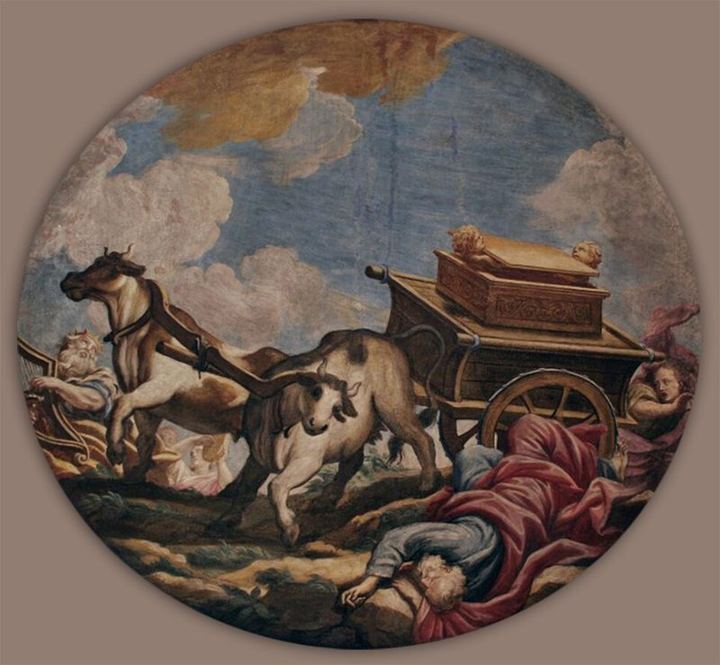
‹ Before thisThe Ark kills Uzzah2 Samuel 6:6–7

The Ark of the Covenant is a sacred box carried on poles.

Same theme: Looks like technology
Photo credits
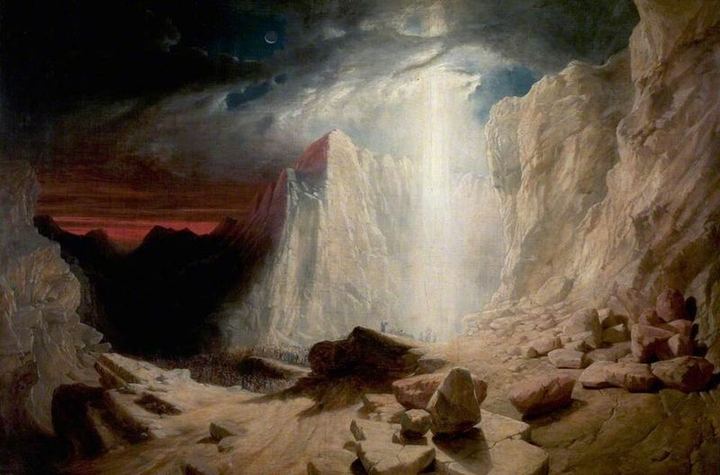
RelatedPillar of cloud, pillar of fireExodus 13:21–22

The text says God went ahead of the people as a pillar of cloud by day and a pillar of fire by night, to show the way and give light.

Also about Ancient IsraelSame theme: Looks like technology

Updated

Discussion