












What is al-Khidr known for?
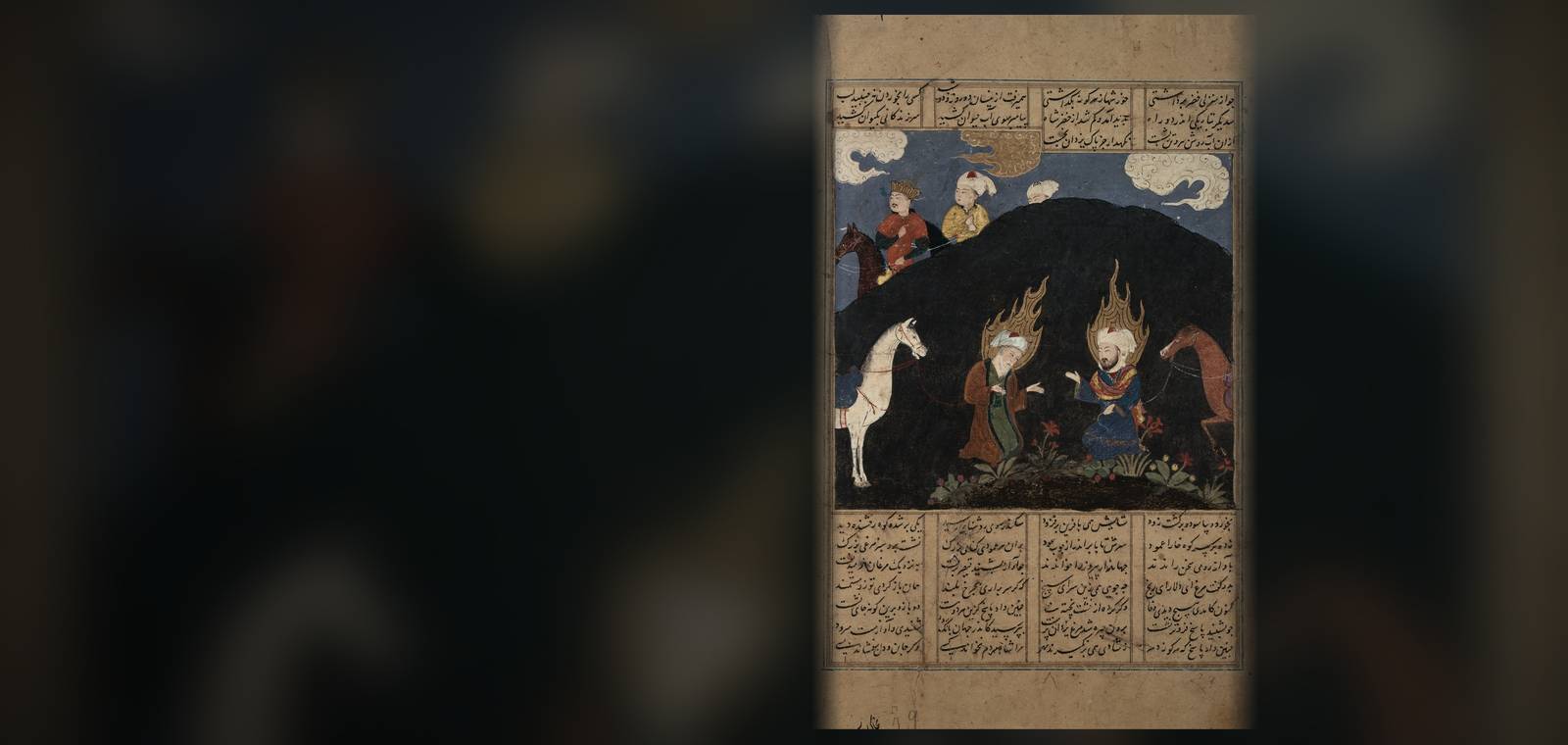
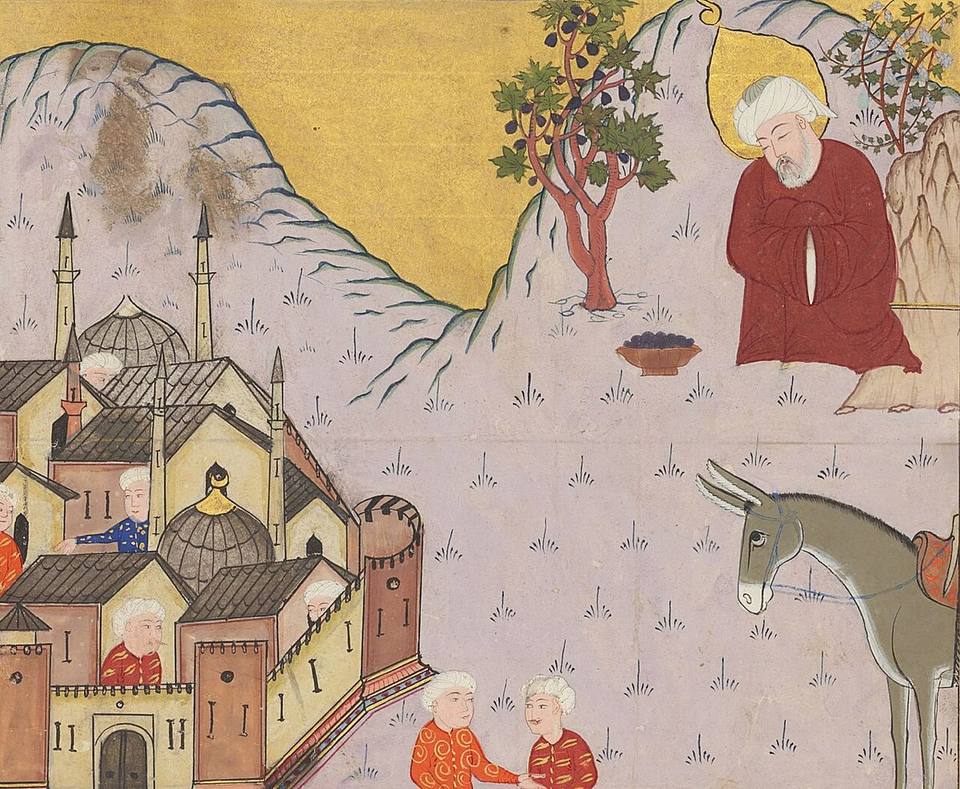
Al-Khidr, 'the Green One,' is a figure of Islamic tradition identified with an unnamed servant of God in Surah 18:65–82. In that passage Moses seeks him out at the meeting of two seas and asks to learn from him. Khidr warns Moses he will not be patient, then damages a boat, kills a boy, and rebuilds a wall without pay. Each act shocks Moses, and Khidr then explains the hidden reasons.
The Quran does not name him; the name and further stories come from hadith and commentators. Later tradition made him immortal, having drunk from the water of life, and a guide who appears to the devout. Scholars connect the Quranic story with the Alexander romance, in which a cook finds the spring of life when a dried fish revives, and with older Near Eastern tales.
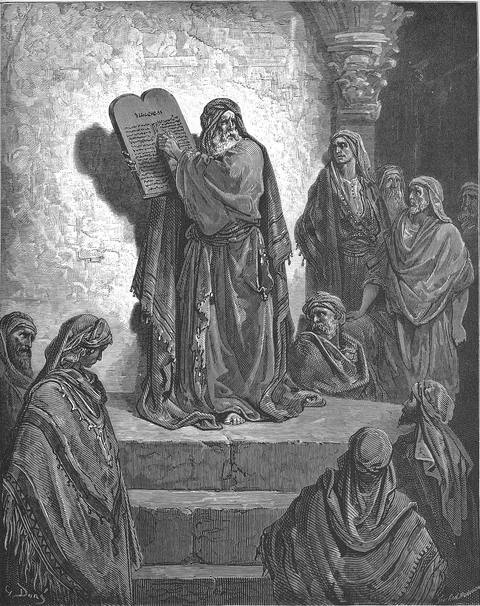
Khidr was identified or paired with the prophet Elijah, and in some places with Saint George. Sufi teachers claimed to meet him. Some commentators named him as the man in Surah 2:259 who slept a hundred years beside a ruined town, though most named Uzair (Ezra).
Titles and honors
- Titles
- Teacher of the Prophets (in tradition)
Mentioned on these pages
Linked people and places
Where this comes from
Comes from Quran 18:60–82, Quran.com. The Quran: The holy book of Islam, which Muslims believe God revealed to the Prophet Muhammad from about AD 610 to 632. Its chapters are called surahs.
What this means
A story or tradition. It is documented as a story; nothing independent shows it happened.
al-Khidr is known from stories, scripture or tradition. The texts are real and we quote them (for example Quran 18:60–82, Quran.com), but nothing outside those texts shows that al-Khidr was real as described.
The page covers something known from myths, scripture or tradition. The texts are real and we quote them, but no independent record shows the events or beings were real.
Sources
- The QuranThe holy book of Islam, which Muslims believe God revealed to the Prophet Muhammad from about AD 610 to 632. Its chapters are called surahs. Marmaduke Pickthall's 1930 English version is quoted here; Muslims hold that only the Arabic original is the Quran itself.Quran 18:60–82, Quran.com Online copyPrimary text Archived copy, 2026-10-03
- WikipediaA free online encyclopedia written and edited by volunteers. It is a good starting point and usually lists its own sources, but anyone can change it, so we treat it as a guide to better sources, not the final word.Wikipedia, 'Khidr'Reference Archived copy, 2026-09-23
No public-domain picture of this person yet. We do not show drawn or generated likenesses.